The United States has commenced a fresh military deployment to Nigeria’s North-East, with troops and air assets arriving ahead of a coordinated counter-insurgency push targeting fighters linked to the Islamic State West Africa Province (ISWAP).
The first batch of US personnel and at least five military aircraft arrived in the region this week, according to multiple security sources. A US military aircraft reportedly landed at the Maiduguri Air Base on Thursday night. By Friday evening, three aircraft were observed at the facility, with equipment being offloaded from at least one platform.
Earlier reports indicated that approximately 200 US troops would be deployed to Nigeria to train and support local forces engaged in ongoing counter-terrorism operations. A US official confirmed that the incoming personnel would reinforce a small contingent of American military staff already operating in the country.
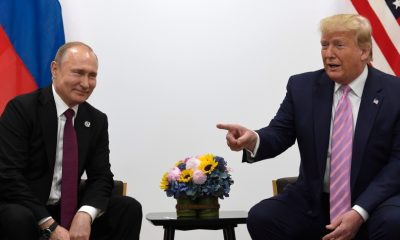
The deployment comes amid expanding defence cooperation between Abuja and Washington, following high-level diplomatic and security engagements between US President Donald Trump and Nigerian authorities.
Airlift Operations Across Northern Bases
Counter-terrorism researcher Brant Philip disclosed that multiple US Air Force cargo aircraft landed at different air bases across northern Nigeria in recent days as part of the buildup.
According to Philip, six US Air Force cargo planes were deployed to West Africa within the past week. While one aircraft stopped in Ghana, five continued onward to Nigeria. He added that another aircraft arrived on Saturday and was likely heading toward the North-East theatre of operations.
Philip detailed that one C-17A Globemaster III aircraft landed at Kainji Air Base, while three C-17A aircraft and one C-130J-30 Super Hercules aircraft flew into Maiduguri Air Base in Borno State. He noted that the aircraft departed the same day after offloading cargo and personnel.
“Maiduguri Air Base will likely serve as the primary operational hub for supporting the Nigerian Army against ISWAP,” Philip said.
Security analysts consider Maiduguri strategically critical, as insurgents maintain influence or operational presence in several rural communities surrounding Borno State’s capital.
Possible Deployment of Advanced Assets
Philip further suggested that the airlift operations may involve the transfer of advanced military equipment, including MQ-9 Reaper drones, attack helicopters and additional US personnel to support intelligence, surveillance and reconnaissance (ISR) missions.
Although US officials have not publicly confirmed the specific assets delivered, the scale of recent cargo flights indicates a significant logistical operation tied to expanded counter-terrorism cooperation.
AFRICOM Engagement and Expanded Mandate
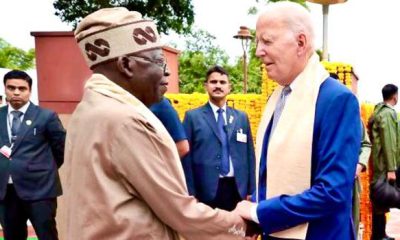
The latest deployment follows a visit to Abuja last week by the Commander of United States Africa Command (AFRICOM), Gen. Dagvin Anderson. During his visit, Anderson met with President Bola Tinubu and senior Nigerian security officials, including National Security Adviser Nuhu Ribadu and top military chiefs.
At the meeting, both sides discussed shared security priorities, particularly counter-terrorism efforts aimed at degrading ISWAP and other extremist groups operating in Nigeria and the wider Lake Chad Basin region.
Anderson disclosed that American forces had already been deployed under an expanded bilateral security agreement but declined to specify troop strength. He stated that US personnel would primarily focus on intelligence gathering, operational planning support and enhancing the capacity of Nigerian forces.
Renewed Push Against ISWAP
The arrival of US troops and assets signals a renewed operational phase in Nigeria’s campaign against ISWAP, which has intensified attacks on military formations and civilian targets across parts of Borno and neighbouring states in recent months.
Security observers note that enhanced intelligence-sharing, aerial surveillance and joint planning could significantly improve the Nigerian military’s ability to disrupt insurgent logistics networks and reclaim contested rural territories.
While Nigerian defence authorities have yet to issue a comprehensive statement detailing the scope of the joint operations, military sources indicate that coordinated ground and air operations are expected to escalate in the coming weeks as part of the broader anti-ISWAP strategy.