Connect with us

News

ITF Unveils 2022 – 2025 Strategic Policy Direction

Published

on

Share

The Industrial Training Fund formally unveil our strategic policy direction for 2022 – 2025.

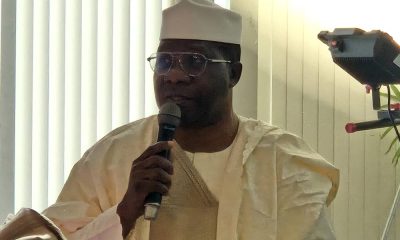
This is contained in a statement issued to Journalists by the Director-general/Chief Executive of the Industrial Training Fund, Sir Joseph Ari, at a media briefing in Jos, Monday.

According to the ITF Boss, “This Strategic Policy Direction is the third of such plans by the incumbent administration in the Industrial Training Fund (ITF).

You will recall that on assumption of office in 2016, we unveiled the ITF Reviewed Vision: Strategies for Mandate Actualization.”

“The plan, which was initially slated to terminate in 2022, was, however, reviewed in 2020 to address gaps that were identified in the course of its implementation, and for us to appropriately respond to the negative impact of the COVID-19 Pandemic on our numerous clients.”

He reiterated that, ”While it lasted, the plan enabled the ITF to aggressively address service challenges by computerizing our operations, tackling infrastructural challenges to expand access to Nigerians desirous of acquiring skills, and generally address a gamut of other strictures that were impinging on our ability to effectively discharge our mandate for National economic growth and development and the general good of the Nigerian people.”

He however, lamented that, “Despite the numerous achievements recorded by the Fund on account of these initiatives, we have realized that more needs to be done if we must fully tackle the numerous socio-economic problems that are bedevilling us as a Nation.”

He further stated that, “given the nature of your profession, you should be acutely aware that unemployment in Nigeria today is at over 33% as over 23 million Nigerians that are desirous to work cannot find jobs, mostly because of the absence of requisite skills.

“Poverty is equally on the rise with some estimates placing the number of Nigerians that are living in poverty to be over 90 million. In the face of all these, our population has continued to soar with the World Bank estimating that Nigeria might hit 216 million by the end of this year.

“Equally worrisome is the spectre of the Out of School Children, which according to the United Nations Children Fund (UNICEF) is projected to be over 18.5 million.”

“It is based on the above and in line with our mandate of Developing a vast pool of skilled manpower sufficient to meet the needs of the public and private sectors of the national economy coupled with resolutions at the recently concluded ITF National Skills Summit in Abuja that we found it imperative to review and refocus our strategies to address the above challenges and to meet the skills requirement of the nation in line with global best practices.

“In arriving at our strategies, we considered the need to scale up our activities to address the soaring unemployment and other socio-economic challenges by leveraging on our three Es (Experience, Expertise and Expansive network), deployment of technology for wider coverage and more flexible service delivery.”, Ari explained.

The new policy framework, which has as its theme: Re-Engineering Skills for Sustainable Development according to Ari, has external and internal components;
The ITF Boss further said that, “The internal components of the plan, which entail value reorientation, Industrial Development, Commercialization of ITF Facilities, Alternative Funding Window, Deployment and Promotion, Annual Budget Preparation and, Revenue Generation are intended to drive the external components of the new policy direction, which covers Standardization and Certification, Technical and Vocational Skills Training Programmes, Skills Intervention Programmes, Electronic and Virtual Learning and, Optimal Utilization of Skills Training Centres (STCs) and Vocational Wings (VWs). ”

According to him, he further revealed that, ”Standardization and Certification as the core aspects of the Mandate of the Industrial Training Fund, specifically, Section 2 subsections c and d of the ITF Act 2011, vest the ITF with the responsibility to set training standards in all sectors of the economy and monitor adherence; and evaluate and certify vocational skills acquired by apprentices, craftsmen and technicians in collaboration with relevant organisations.

In this area, the Fund will focus on ensuring full adherence to standards and regulating vocational skills training outfits through the accreditation of skills training centres and certification of all skills training in line with the Act.”

To actualise this, he said that, “the Fund will develop National Occupational Standards (NOS); Evaluate and certify apprentices, technicians and craftsmen; Train and certify learning and development professionals and; Create and maintain a data bank on skills training.”

Another key area of the Fund’s mandate, the ITF Boss said, “is the Technical and Vocational Skills programmes.
”Despite our commendable achievements in this regard, the Fund is set to refocus Technical and Vocational Skills Training for employability and economic growth by facilitating the institutionalization of the National Apprenticeship and Traineeship System (NATS).

”To actualize this, the Fund will collaborate with relevant public and private stakeholders for NATS; appraise and harmonize Apprenticeship programmes in line with set guidelines; conduct monitoring and evaluation and; design and develop technical and vocational skills programmes in line with the needs of the economy.

Saying that, “When fully in place, our plan will ensure a pool of highly skilled indigenous apprentices, technicians and craftsmen as well as an institutionalized National Apprenticeship and Traineeship System (NATS). ”

Continue Reading
Click to comment

Leave a Reply

Your email address will not be published. Required fields are marked *

News

Benin-Asaba Road to Be Redesigned on Concrete Pavement

Published

on

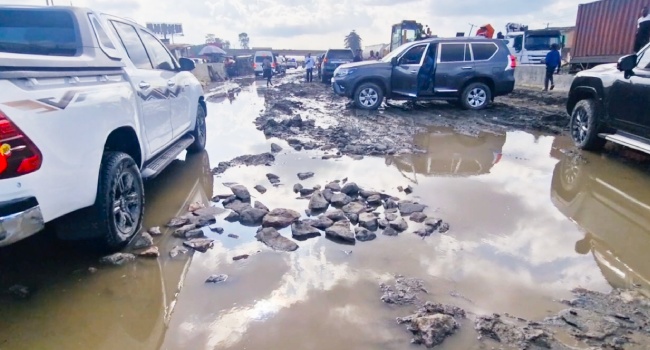
Section of Benin-Asaba Road
Share


The Minister of Works, Dave Umahi, has said the 136-kilometre Benin-Asaba Road will be redesigned with reinforced concrete pavement following a directive from President Bola Tinubu.

Umahi made this known on Thursday in Benin City during the ‘Operation Rescue Benin-Asaba Road’ event.

He also clarified that the Federal Government had not awarded any company a contract for the emergency rehabilitation of the road.

According to the minister, the government is currently carrying out temporary intervention works to improve the condition of the road while arrangements for its long-term reconstruction are being developed.

Umahi said the Federal Government had presented three options to the concessionaire for the continuation of the agreement, but none was accepted.

He said the development had led to a new approach, with President Tinubu directing the redesign of the entire 136-kilometre dual carriageway with reinforced concrete pavement.

The minister said the project had been defined and that immediate intervention would begin on the Benin Bypass.

Umahi further explained that the emergency rehabilitation was not awarded to Hitech or any other contractor.

He said the Ministry of Works had instead hired equipment from contractors operating along the road corridor, including Hitech, CECC and CBC, to carry out the temporary repairs.

According to him, the ministry is still sourcing additional equipment and plans to undertake intensive intervention works to improve the road within the next four weeks.

The minister said the temporary intervention is intended to make the road safer and more accessible while the Federal Government works on the permanent reconstruction of the route.l

Continue Reading

News

MY SECOND-TERM PROJECTS’LL BOOST COMMERCE, PRODUCTIVITY — OYEBANJI

Published

on

Share


…Says Ekiti’ll take Tinubu’s re-election seriously


…As monarchs, youths pledge more support for governor
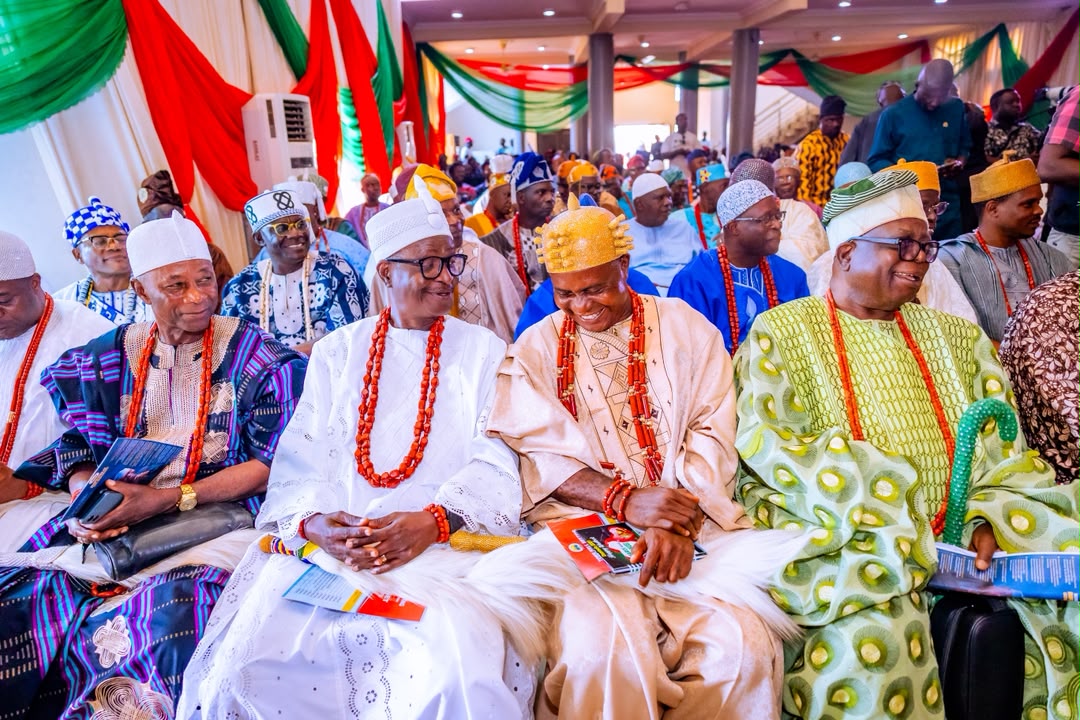


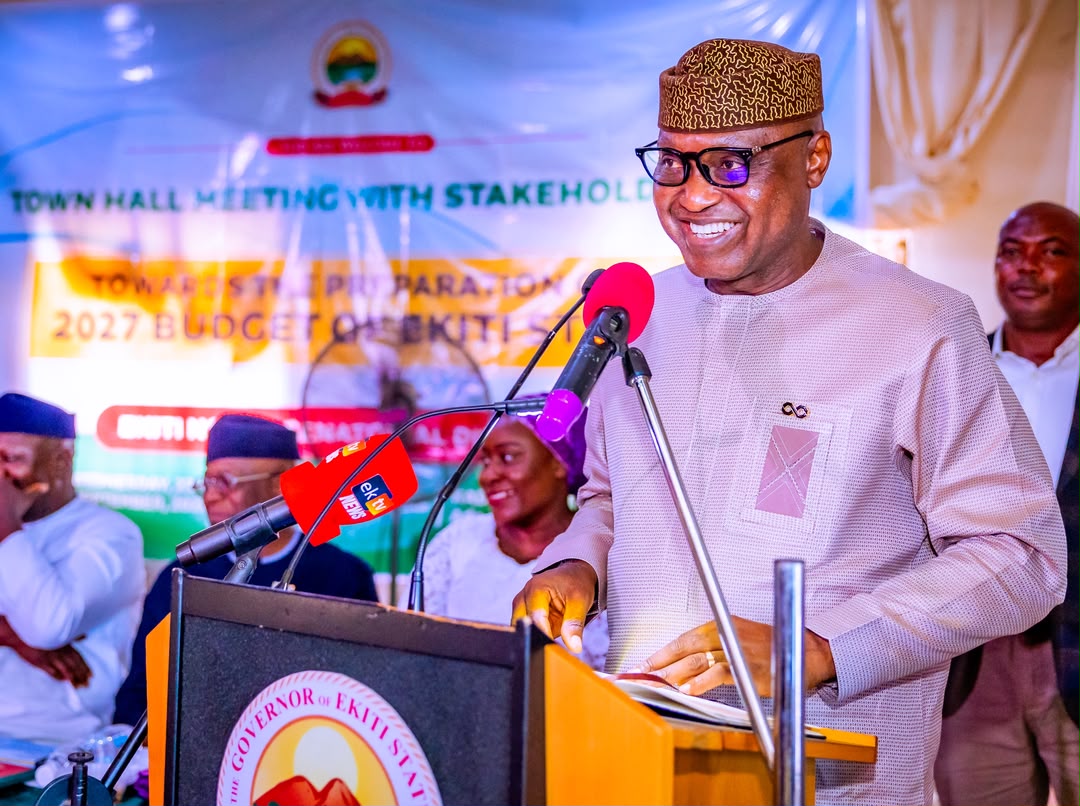
Ekiti State Governor, Mr Biodun Oyebanji, says projects to be executed during his second term will be strategically targeted at boosting commerce, enhancing productivity and stimulating sustainable business growth across the state.


The Governor also says Ekiti State will take the re-election bid of President Bola Ahmed Tinubu in the 2027 presidential election seriously, promising increased mobilisation to improve the President’s votes in the state.


Oyebanji spoke on Wednesday at a Town Hall Meeting with stakeholders from Ekiti North Senatorial District as part of consultations ahead of the 2027 Budget, held in Ifaki-Ekiti.


At the meeting, traditional rulers, community leaders, youths and other stakeholders pledged stronger support for the Governor’s second-term administration, which begins on October 16, 2026, to enable him to deliver on his shared prosperity agenda.


Oyebanji said his administration would sustain its consultative approach to governance in the second term, with greater emphasis on public participation and inclusive development.


He said government investments would be channelled strategically into critical sectors, including healthcare, electricity, roads and water supply, to improve living standards and enhance economic productivity.


The Governor said: “In our second term, whatever we are going to do must add value, because resources are limited. There must be value addition. We must catalyse productivity and ensure our people are productive.


“It is only when there is value that artisans like welders and auto mechanics can thrive and become prosperous.”


On electricity, Oyebanji said his administration had expanded access to power in some communities, but noted that existing legal provisions limiting states largely to electricity generation had affected efforts to fully address distribution challenges.


He reaffirmed his commitment to participatory governance, saying inputs from communities would continue to guide government’s decisions on project prioritisation.


“Governance is about the people. We are what we are today because of you. You gave us your mandate, and we must continue to seek your counsel in delivering good governance,” he said.


The Governor also commended traditional rulers for their support, particularly in intelligence gathering, which he said had contributed to improved security across the state.


He, however, urged residents to remain vigilant and continue to support security agencies with useful information.


On the 2027 presidential election, Oyebanji called on Ekiti voters to reciprocate what he described as President Tinubu’s support for the state by increasing the votes delivered to the President.


He cited federal appointments and infrastructure projects benefiting the state as evidence of the Federal Government’s attention to Ekiti.


“We must show appreciation. It will not be enough to repeat previous figures. We must do more in the next election,” he said.


On infrastructure, the Governor disclosed that collaboration with the Federal Government had facilitated the award of major road projects, including the Ado-Ijan-Ilumoba-Ikole and Ado-Aramoko-Ita-Ore roads.


He added that other critical roads across the state would be addressed subsequently.


Providing sectoral updates, the Commissioner for Health, Dr Oyebanji Filani, said more than 300 nurses and 1,500 health assistants had been recruited over the past four years.


He said the government had also upgraded several primary and secondary healthcare facilities, while three new general hospitals had been approved for Ipao, Ikogosi and Awo-Ekiti.


Also speaking, the Commissioner for Infrastructure and Public Utilities, Professor Bolaji Aluko, disclosed that more than 500 boreholes had been constructed across the state, while an additional 110 had been proposed to ensure equitable distribution of water.


In their remarks, traditional rulers and community representatives from Ekiti North Senatorial District commended the Governor for his development efforts and highlighted priority areas for consideration in the 2027 Budget.


Their requests included improved roads, electricity, water supply, healthcare and security.


Speaking on behalf of Ikole Local Government, the Alaaye of Oke Ayedun, Oba Femi Aribisala, appealed to the government to urgently intervene in the areas of roads, water and electricity.


He said poor road access and inadequate electricity supply were hindering economic activities and development in the area.


Representatives of Moba Local Government and the Obaleo of Erinmope, Oba Sunday Aniyi; Ido/Osi Local Government and the Olojudo of Ido-Ekiti, Oba Ayorinde Ilori-Faboro; as well as Oye Local Government and the Onisan of Isan-Ekiti, Oba Gabriel Adejuwon, also called for increased attention to roads, electricity, security and water supply in the 2027 Budget.


Dignitaries at the event included the Deputy Governor, Chief (Mrs) Monisade Afuye; Secretary to the State Government, Professor Habibat Adubiaro; Chief of Staff, Mr Oyeniyi Adebayo; Head of Service, Dr Folakemi Olomojobi; members of the State Executive Council; local government chairmen; traditional rulers; political leaders; and representatives of various community groups.

Continue Reading

News

FG Suspends 20 NSCDC Officers Over Deaths Of 37 Suspected Illegal Miners

Published

on

NSCDC Personnel
NSCDC Personnel
Share


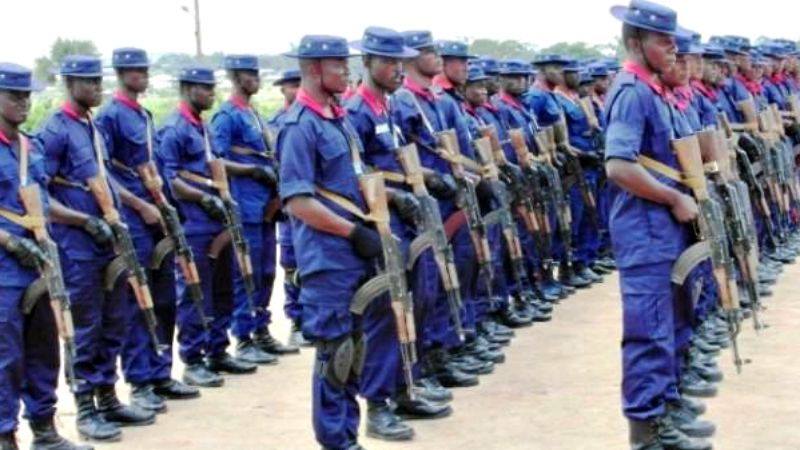
The Federal Government has suspended 20 officers of the Nigeria Security and Civil Defence Corps (NSCDC) over the reported deaths of 37 suspected illegal miners who were in the Corps’ custody in Niger State.

The Minister of Interior, Olubunmi Tunji-Ojo, announced the suspension on Saturday, following President Bola Tinubu’s directive for a transparent and comprehensive investigation into the incident, which occurred on Thursday.

Tunji-Ojo said the suspension would remain in place pending the outcome of the investigation. The affected officers include personnel involved in the arrest, investigation, security and detention of the suspected miners.

The Minister also constituted a 10-member independent committee to investigate the deaths and establish the identities of the deceased, the circumstances surrounding their arrest and detention, and the actual cause of death.

The committee is also expected to determine whether there was any responsibility, negligence or misconduct and recommend appropriate action, including compensation where necessary.

The committee is chaired by retired DSS Deputy Director-General, Jonathan Kure, mni, while Prof. Isa Hayatu Chiroma, SAN, a former Director-General of the Nigerian Law School, will serve as Secretary.

Other members include retired AIG Hosea Hassan Karma, Prof. Olayinka Buhari, representatives of the Minna Emirate Council and Niger State Government, the National Secretary of the Miners Association of Nigeria, Alhaji Liman Sulaiman, lawyer and human rights activist Deji Adeyanju, Blueprint Newspaper’s Zainab Suleiman Okino, and public affairs analyst Dr. George Agbakahi.

The committee has two weeks to complete its investigation and submit its report to the Minister.

Tunji-Ojo directed the NSCDC leadership and all relevant officers to fully cooperate with the investigation and ensure that all records and evidence relating to the incident are preserved.

He warned that anyone who attempts to destroy or conceal evidence, intimidate witnesses or obstruct the investigation would face serious consequences.

The Minister described the deaths as deeply disturbing, condoled with the families of the deceased and appealed for calm while the investigation continues.

Continue Reading