The All Progressives Congress (APC) Presidential Campaign Council says its campaign for the 2027 general election will be issue-based and centred on the achievements of President Bola Ahmed Tinubu’s administration, rather than fresh promises or personal attacks on political opponents.
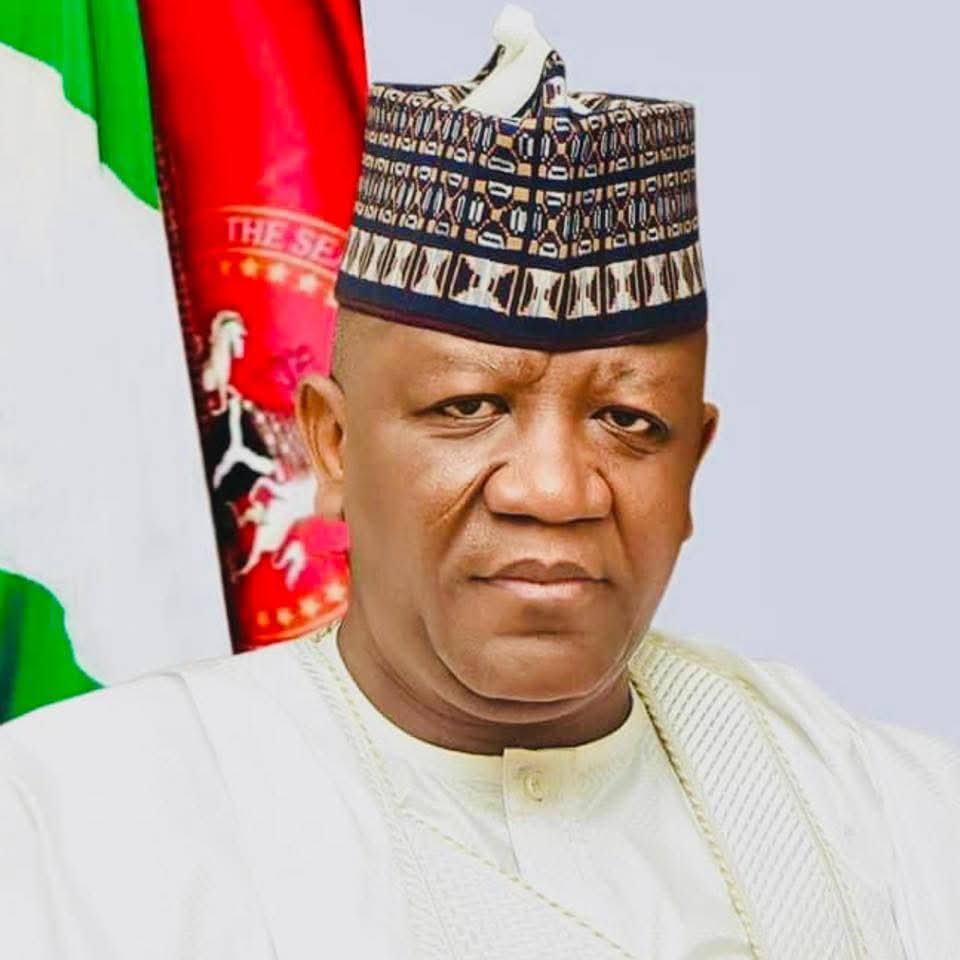
Director-General of the APC Presidential Campaign Council, Senator Abdulazeez Yari, disclosed this in Gusau, Zamfara State, after a closed-door meeting with Governor Dauda Lawal and traditional rulers in the state on Wednesday.
Yari said the 2027 campaign would focus on presenting to Nigerians what the APC-led Federal Government had achieved so far, as well as the policies and programmes it intends to consolidate if given another mandate.
According to him, the party would not base its campaign on making promises that could be difficult to fulfil, but would instead draw the attention of Nigerians to the administration’s record in office.
He said, “The 2027 campaign will be centred on issues and what we intend to do if given another opportunity to govern the country.”
The former Zamfara State governor also expressed confidence in President Tinubu’s commitment to Nigeria’s development, describing him as a leader who genuinely loves the country and is committed to its progress.
Yari said Nigeria had gone through several difficult periods that generated concerns about the continued unity and survival of the country, but noted that Nigerians had consistently demonstrated their determination to preserve the nation’s unity.
“Nigeria is a wonderful country. We have been seeing so many things which some predicted that Nigeria will not continue as a country, from June 12 to others. This is where we are. Nigerians continue to ensure this country remains a united country,” he said.
Explaining his decision to begin his official campaign engagements with traditional rulers, Yari said the traditional institution remained a critical part of Nigerian society because traditional leaders maintained close relationships with the people at the grassroots.
He acknowledged that traditional rulers were not politicians, but stressed that they played significant roles in maintaining peace, promoting unity and influencing social development within their communities.
Yari said seeking the support, goodwill and blessings of traditional leaders was therefore an important part of his preparations for the 2027 campaign.
The campaign council Director-General was received in Zamfara as part of his initial engagements following his appointment to lead the APC’s presidential campaign machinery ahead of the 2027 election.
Governor Dauda Lawal explained that the meeting with traditional rulers was organised to formally present Yari to them as a “son of the soil” following his appointment as Director-General of the APC Presidential Campaign Council.
According to the governor, the engagement was aimed at securing the support and goodwill of the traditional institution for Yari as he begins his responsibilities ahead of the 2027 presidential election.
“It is important for us to hand him over to them to seek for their support. This is the reason for the meeting,” Lawal said.
The governor subsequently assured the APC Presidential Campaign Council that President Tinubu could count on overwhelming support from Zamfara State in the 2027 presidential election.
Lawal declared that the people of the state were prepared to give the President 100 per cent support, signalling the APC’s determination to strengthen its political presence in Zamfara ahead of the 2027 poll.
The meeting marks one of the early strategic engagements of the APC Presidential Campaign Council as the party begins to mobilise support for the 2027 election, with emphasis on the administration’s record, national development and grassroots engagement.