Connect with us

Politics

Yusuf Defends APC Defection, Says Move Will Reposition Kano at National Centre

Published

on

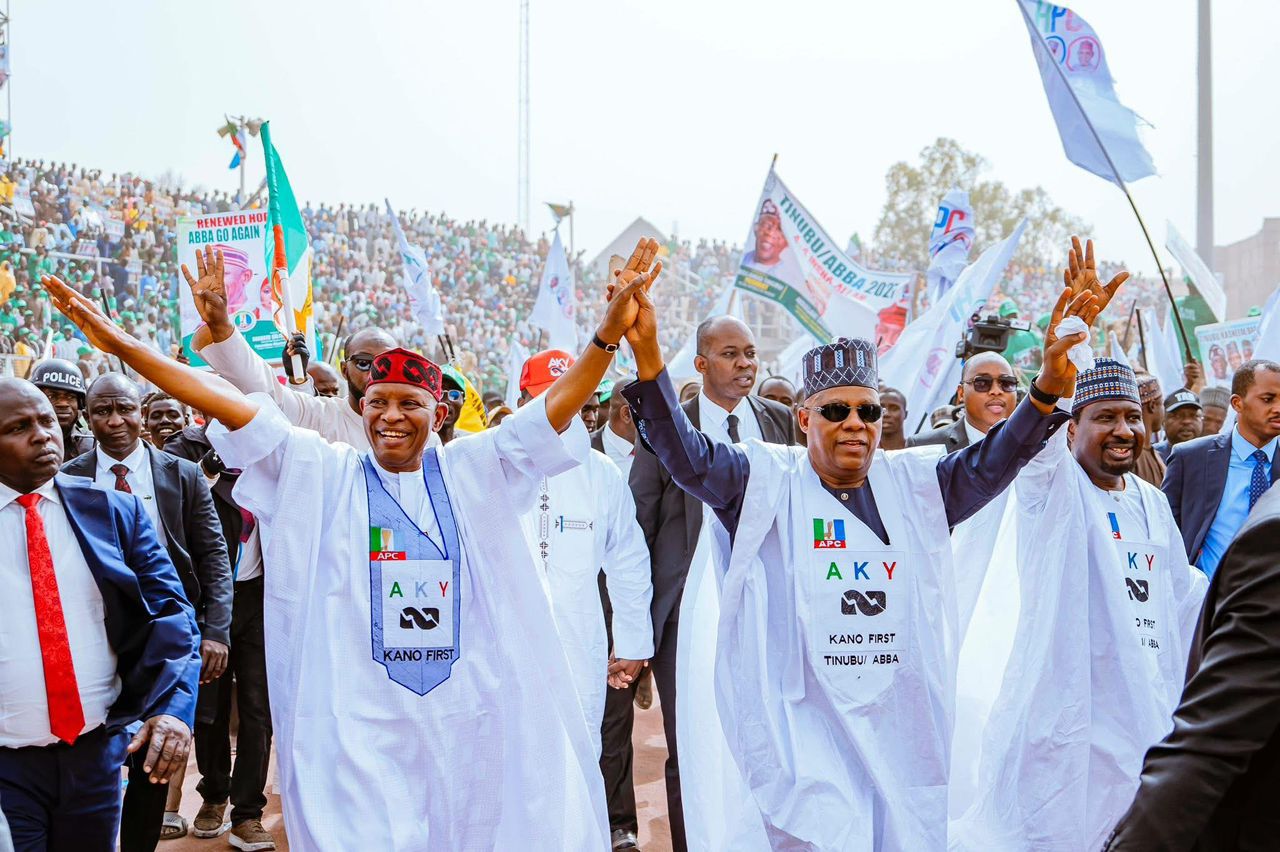
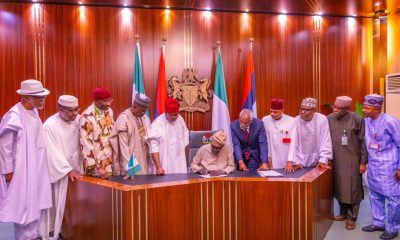
Abba Yusuf (left) and Vice-President Kashim Shettima (right) in white flowing robes at the rally
Share

Governor Abba Yusuf has defended his decision to join the All Progressives Congress (APC), declaring that the move is aimed at repositioning Kano State at the centre of national decision-making and accelerating development for its residents.

Speaking on Monday at the 2026 APC ‘grand rally’ held at the Sani Abacha Stadium, Yusuf addressed thousands of party faithful and supporters, framing his defection as a strategic choice driven by responsibility rather than personal ambition.

“Kano can no longer afford to be sidelined from the centre,” the governor said. “It is about placing Kano in a position where it can fully participate in national development and secure a better future for its citizens.”

Aligning with the Centre

Yusuf argued that aligning with the ruling party at the federal level would enable Kano to actively engage with President Bola Tinubu’s Renewed Hope Agenda and unlock accelerated development through stronger ties with Abuja.

“With the support of our great party and the cooperation of the Federal Government, Kano State is better positioned to move forward with confidence and stability,” he told the crowd.

The governor’s defection follows his resignation from the New Nigeria Peoples Party (NNPP) in January, citing internal crises and leadership disputes within the party. His exit from the NNPP marked a significant political shift in Kano, a state that has long been central to Nigeria’s electoral arithmetic.

High-Profile Reception

Yusuf expressed gratitude to Vice-President Kashim Shettima, who formally received him into the APC fold at the rally, describing the gesture as symbolic of unity and national cohesion.

The event drew an array of prominent political figures, including governors from Jigawa, Sokoto, Kaduna, Katsina, Borno, Yobe, and Plateau states. Also in attendance were Abdullahi Ganduje, former APC national chairman and ex-governor of Kano, as well as Deputy Senate President Barau Jibrin.

National chairman of the APC, Nentawe Yilwatda, described the large turnout as a strong signal of unity and commitment to the party’s agenda and Tinubu’s broader political vision.

Political Implications

Analysts say Yusuf’s defection could significantly reshape Kano’s political landscape ahead of future electoral cycles, potentially consolidating APC’s influence in the North-West. The move also underscores the continuing realignments within Nigeria’s party system, where strategic alliances with the federal ruling party often carry substantial developmental and political implications.

For Yusuf, however, the message was clear: the decision, he said, is about ensuring Kano’s voice is heard at the highest levels of governance — and about securing tangible benefits for the people he was elected to serve.

Continue Reading
Click to comment

Leave a Reply

Your email address will not be published. Required fields are marked *

Politics

Obi Declares 2027 Presidential Bid on ADC Platform

Published

on

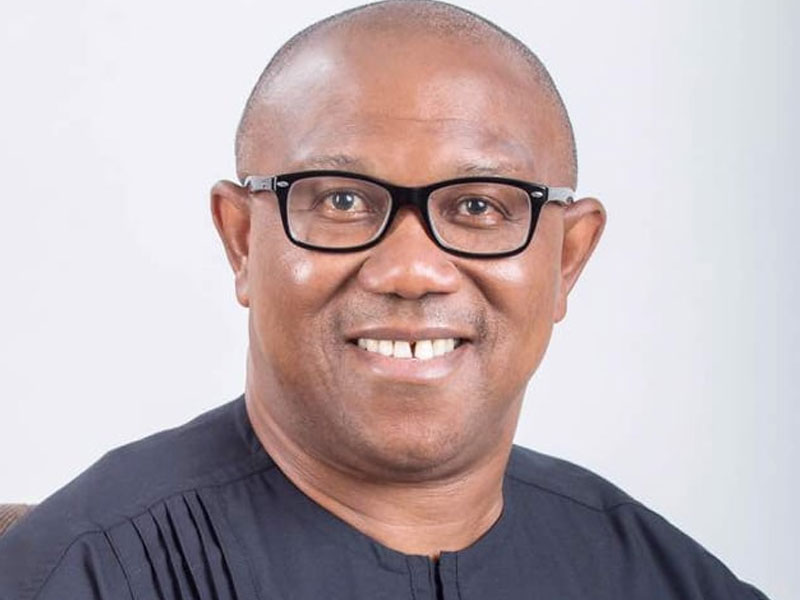
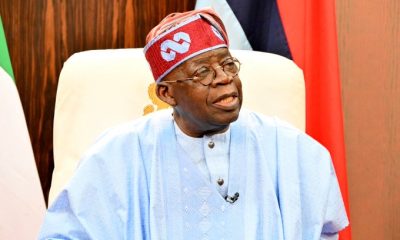
Peter Obi
Former Anambra State Governor, Peter Obi
Share

Former Anambra State Governor, Peter Obi, has declared his intention to contest the 2027 presidential election on the platform of the African Democratic Congress (ADC).

Obi made the declaration on Saturday at the Obidient Conference and Official Declaration for ADC held in Uyo, Akwa Ibom State, with the theme, ‘Activating the PO Effect in ADC.’

Addressing supporters at the event, Obi alleged that the Independent National Electoral Commission (INEC) would not recognise any leadership of the Labour Party (LP) as long as he remained a member, claiming that this informed his decision to leave the party.

“I left LP when I got informed that as long as I remain in the party, INEC will not recognise its leadership, that the federal government doesn’t want me on the ballot,” he said.

He added that he would participate in the next general election regardless of perceived obstacles.

“I want to assure you that I will contest the coming election even if it is held in their bedroom, and if they don’t want to transmit the results, we will transmit them for them,” Obi stated.

The former governor also criticised the current administration’s borrowing profile, alleging that it had accumulated more loans than previous governments. He expressed concern that a significant portion of the debt repayment would fall between 2045 and 2050.

Obi pledged that, if elected, his administration would prioritise investment in education and healthcare, arguing that sustainable national development depends on deliberate investment in human capital.

He also promised to tackle corruption, asserting that it would be significantly reduced under a leadership that does not tolerate personal or family involvement in corrupt practices.

Reflecting on his tenure as governor of Anambra State, Obi said he declined to create a formal Office of the First Lady and did not allocate government land to himself or his family.

“When I became governor of Anambra, I advised my wife to forget about the Office of First Lady because we were not elected together. I approved over 100 Certificates of Occupancy on government land, but had none for myself or my family. If you find any, petition me to the appropriate authority,” he said.

Coordinator of the Obidient Movement Worldwide, Dr. Tanko Yunusa, urged supporters to mobilise ahead of the 2027 general election and rally behind the ADC.

Similarly, the Akwa Ibom State Coordinator of the movement, Dr. Ben Smith, described the 2027 election as a defining moment focused on youth employment, security, workers’ welfare and national renewal.

Continue Reading

Politics

Ramadan: INEC to Consult National Assembly Over 2027 Election Dates

Published

on

INEC
INEC Logo
Share

The Independent National Electoral Commission (INEC) has announced plans to consult the National Assembly following growing controversy over the timetable for the 2027 general elections, amid concerns that the scheduled dates coincide with the Muslim holy month of Ramadan.

INEC had earlier fixed Saturday, February 20, 2027, for the Presidential and National Assembly elections, while Governorship and State Houses of Assembly polls are slated for Saturday, March 6, 2027. The commission said the dates were chosen in line with constitutional provisions.

However, the announcement has sparked widespread reactions from Muslim groups and political stakeholders who argue that conducting elections during Ramadan could adversely affect voter turnout and participation, particularly in predominantly Muslim states where fasting and religious observances are rigorously observed.

Ramadan, one of the most sacred periods in Islam, is expected to begin around early February and run through early March in 2027, meaning both election dates fall within the fasting period.

Among prominent voices raising concerns is former Vice-President Atiku Abubakar, who urged the commission to reconsider the timetable in the interest of inclusivity and broader civic participation. He stressed that elections require maximum physical engagement and collective focus, factors he argued could be affected by the demands of fasting.

A former presidential aide, Bashir Ahmad, also called for a review of the dates. He noted that the physical demands associated with Ramadan, including fasting from dawn to dusk and increased religious activities, could pose logistical and operational challenges for voters, election officials and security personnel deployed for the exercise.

Sources within INEC indicated that the commission is mindful of the concerns raised and is considering engaging the National Assembly to explore possible adjustments within the bounds of the law.

The development adds a new dimension to preparations for the 2027 polls, as stakeholders continue to debate the balance between constitutional timelines and socio-religious sensitivities in Nigeria’s diverse society.

Continue Reading

Politics

Atiku Urges INEC to Reschedule 2027 Elections Over Ramadan

Published

on

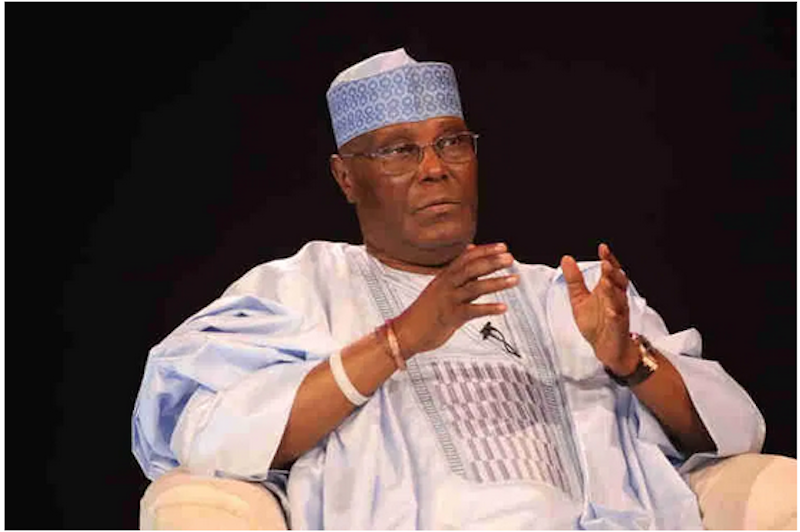
Atiku Abubakar
Former Vice President Atiku Abubakar
Share

Former Vice-President Atiku Abubakar has called on the Independent National Electoral Commission (INEC) to reconsider the dates fixed for the 2027 general elections, citing a clash with the Islamic holy month of Ramadan.

INEC had announced that the presidential and National Assembly elections would be held on February 20, 2027, while governorship and State Houses of Assembly polls are scheduled for March 6, 2027. The commission said the timetable was drawn in compliance with the provisions of the 1999 Constitution (as amended).

However, the dates have drawn criticism following projections that Ramadan will commence around February 8 and end about March 10, 2027, placing both election days within the fasting period observed by Muslims.

In a statement issued on Friday, Atiku described the February 20 presidential election date as falling “squarely within the Ramadan period,” noting that the season is marked by fasting, reflection and spiritual devotion for millions of Nigerian Muslims.

He argued that elections require broad participation, physical stamina and collective focus, adding that scheduling the exercise during Ramadan demonstrates “poor judgment” and a lack of sensitivity to Nigeria’s socio-religious dynamics.

According to him, inclusive decision-making is vital in a plural society such as Nigeria, and fixing election dates that accommodate the interests of diverse groups reflects foresight and competence.

Atiku further questioned INEC’s preparedness for the 2027 polls, stating that if the commission “struggles with getting a simple matter of timing right,” Nigerians would be justified in demanding assurances of its ability to conduct free, fair and credible elections.

INEC has yet to respond publicly to the concerns raised over the election timetable.

Continue Reading