ABUJA, – In what could become one of the most significant security reforms since Nigeria’s return to democratic rule in 1999, the Senate has concluded plans to consider and fast-track constitutional amendments that will pave the way for the establishment of State Police across the federation.
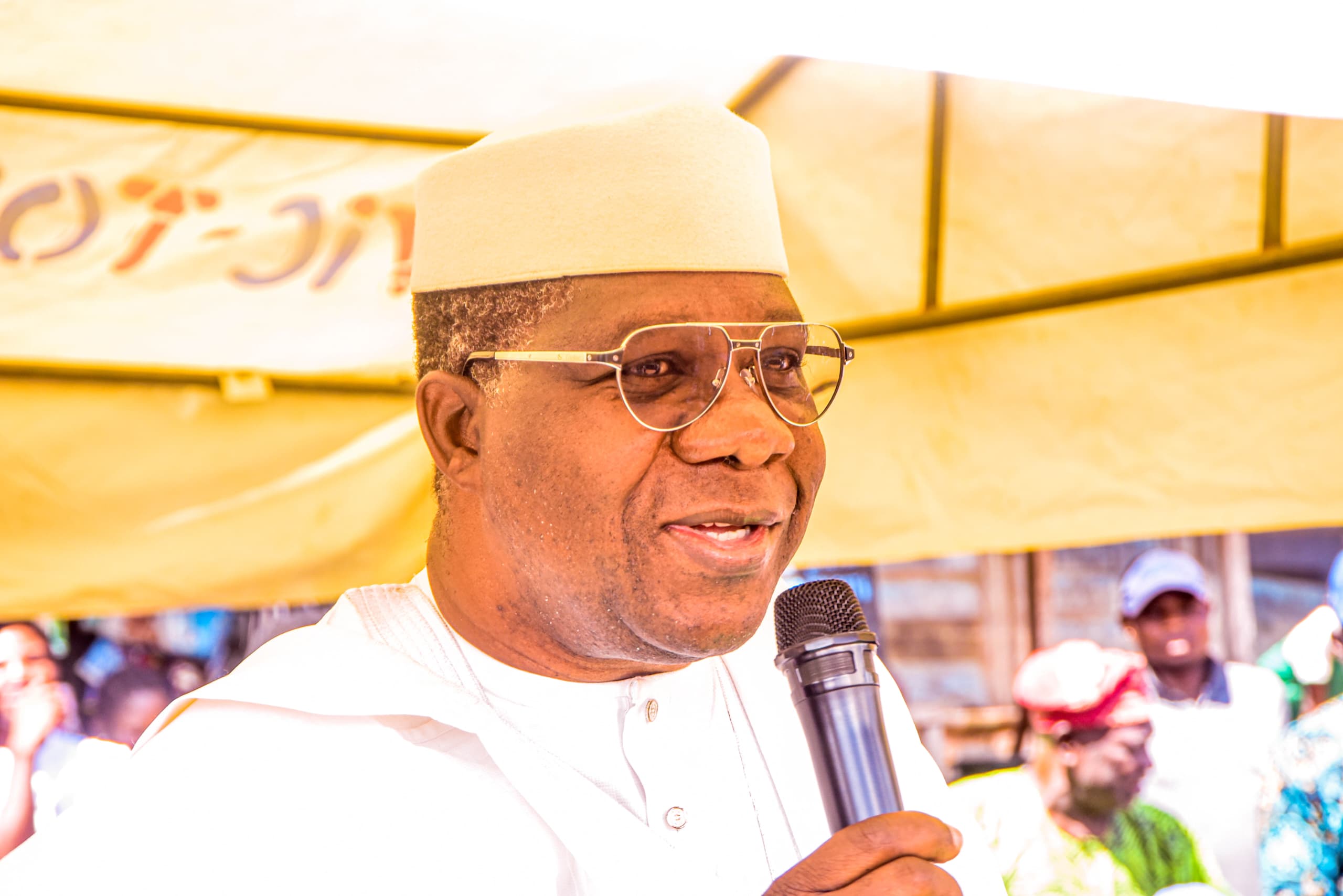
The Leader of the Senate, Senator Opeyemi Bamidele, disclosed on Monday that the National Assembly is set to isolate the State Police proposal from other constitutional amendment bills and expedite its passage due to the urgent security challenges confronting the country.
According to Bamidele, there is now an unprecedented level of consensus among critical stakeholders, including President Bola Ahmed Tinubu, state governors, federal lawmakers, security agencies and state legislatures, on the need to decentralise policing and strengthen internal security architecture.
The Senate Leader stated that the legislative week commencing on Tuesday would be dedicated largely to deliberations on the proposed amendment, describing the creation of State Police as a national necessity whose time has come.
Security Challenges Driving Reform
Nigeria has continued to grapple with multiple security threats, including terrorism, banditry, kidnapping, communal violence, farmer-herder conflicts and organised crime across various regions.
Security experts have long argued that the centrally controlled Nigeria Police Force is overstretched and lacks the local intelligence network required to effectively respond to emerging threats in communities nationwide.
The current constitutional arrangement, specifically Section 214(1) of the 1999 Constitution, provides for a single police force for the federation, making Nigeria one of the few federal systems in the world operating a strictly centralized policing structure.
Advocates of State Police believe that decentralised policing will improve intelligence gathering, enhance rapid response capabilities and allow states to tackle unique security challenges within their jurisdictions.
National Assembly Building Consensus
Bamidele revealed that extensive consultations had taken place between the National Assembly and key stakeholders to address concerns surrounding the proposed security reform.
According to him, the Chairman of the Senate Committee on the Review of the 1999 Constitution, Senator Barau Jibrin, and the Chairman of the House of Representatives Committee on Constitutional Review, Deputy Speaker Benjamin Kalu, have held a series of strategic meetings with relevant government institutions.
The consultations involved the Office of the Attorney-General of the Federation, the Office of the Chief of Staff to the President, the Nigeria Police Force leadership and other security stakeholders.
He said the engagements had helped resolve critical issues surrounding the proposed framework and created the momentum necessary for immediate legislative action.
Fast-Track Passage Planned
Bamidele explained that lawmakers have resolved to separate the State Police proposal from other constitutional amendment bills to prevent delays in its consideration.
Once passed by the National Assembly, the amendment will be transmitted to the 36 State Houses of Assembly, where approval by at least 24 state legislatures will be required before it can be presented to President Tinubu for assent.
The Senate Leader expressed confidence that the proposal would receive broad support at the state level, noting that many governors and state lawmakers have consistently advocated for constitutional backing for state-controlled policing structures.
Presidency Signals Strong Support
The latest development comes days after the Chief of Staff to the President, Femi Gbajabiamila, announced that consultations on the constitutional framework for State Police were nearing completion.
Gbajabiamila had disclosed that President Tinubu would soon receive a comprehensive report detailing the proposed structure, operational framework and legal safeguards for the establishment of State Police.
The Presidency’s endorsement is seen as a major boost for the reform, given concerns in the past over possible political abuse of state-controlled police forces by governors.
A Defining Moment for Nigeria’s Security Architecture
If successfully enacted, the State Police amendment could fundamentally reshape Nigeria’s security framework by creating a multi-layered policing system involving both federal and state law enforcement agencies.
Supporters argue that such a structure would strengthen community-based policing, improve intelligence gathering and reduce response times during security emergencies.
With bipartisan support emerging across political and regional lines, this week’s deliberations in the National Assembly are expected to mark a decisive step in Nigeria’s long-running debate over policing reforms and the decentralisation of internal security operations.
For many observers, the outcome could determine the future direction of Nigeria’s fight against insecurity and its broader quest for a more effective and responsive security system.