The British High Commission in Nigeria has praised the Independent National Electoral Commission (INEC), security agencies, and voters for the peaceful conduct of the 2026 Ekiti State governorship election, while expressing concerns over incidents of vote trading and technical challenges associated with the Bimodal Voter Accreditation System (BVAS).
In a statement issued on Monday, the UK mission described the election as largely orderly and peaceful, noting that it marked the first major electoral exercise conducted under the Electoral Act 2026 and its accompanying guidelines.
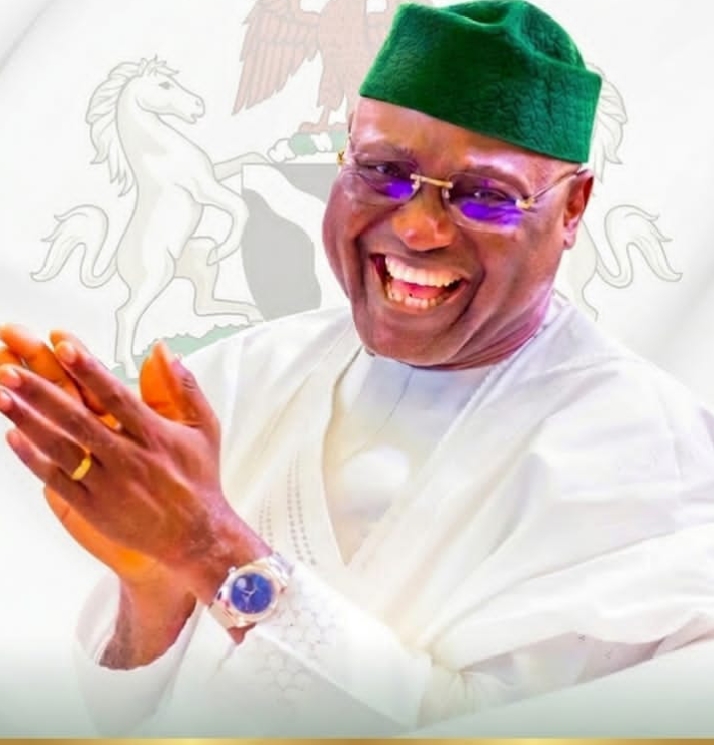
The commission also congratulated Ekiti voters for participating in the democratic process and exercising their civic rights. It further congratulated Governor Biodun Oyebanji of the All Progressives Congress (APC) on his re-election.
INEC had declared Oyebanji winner of the election after he secured 319,224 votes. His closest challenger, Wole Oluyede of the Peoples Democratic Party (PDP), polled 40,543 votes, while Dare Bejide of the African Democratic Congress (ADC) received 12,872 votes.
Ahead of the election, the British High Commission said its observers engaged with key stakeholders, including INEC officials and the Nigeria Police Force, to assess preparations and understand the implementation of the new electoral law.
According to the commission, its observers witnessed effective collaboration between election officials and security personnel across polling units visited on election day, a development it said contributed significantly to the peaceful atmosphere recorded during the exercise.
The UK mission also commended efforts made to prioritise vulnerable voters at several polling units. However, it noted that many polling centres visited were not adequately accessible to persons with disabilities due to their physical layout and location.
The commission further highlighted technical issues involving the BVAS machines, stating that delays in voter accreditation were recorded in some polling units. Reports from the election indicated that some elderly voters experienced difficulties during the accreditation process, while technical glitches slowed voting in certain areas.
According to the British High Commission, such technical challenges could affect public confidence in the electoral system and discourage voter participation if not adequately addressed.
The statement also expressed concern over reports of vote buying and undue interference by party agents at some polling units.
“Our observation team was concerned to see instances of vote trading and interference by party agents at polling units visited. Vote trading erodes public confidence and undermines the democratic process. We call on all actors to take urgent steps to address this corrosive practice,” the commission stated.
The UK urged electoral stakeholders to draw lessons from the Ekiti election ahead of the forthcoming Osun State governorship poll and future elections across the country.
It stressed that the credibility of the 2027 general election would be critical to strengthening public trust in democratic institutions and sustaining Nigeria’s leadership role on the African continent.
The British High Commission reaffirmed its commitment to supporting Nigeria’s democratic development, saying it would continue to work with the government, electoral authorities, and civil society organisations to strengthen democratic institutions, promote credible elections, and encourage a more inclusive and accountable electoral system.