
News
Why Buhari has not signed Electoral Amendment Act — Presidency

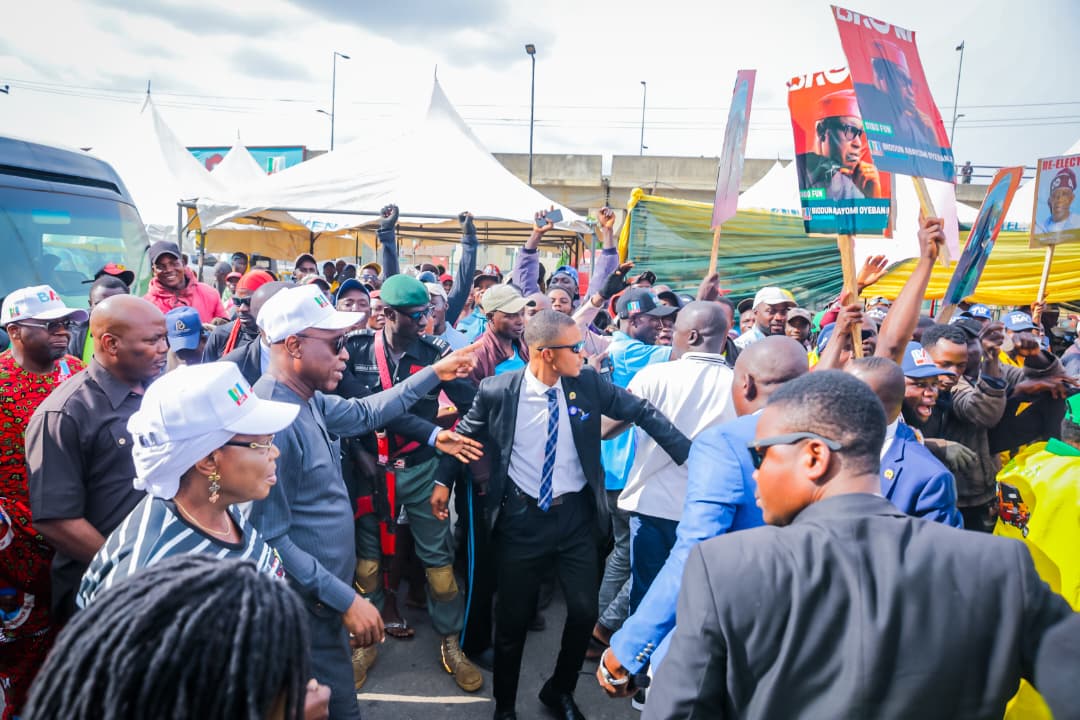
Commercial motorcyclists (Okada) and tricycle operators in Ekiti State have pledged their unflinching support for Governor Biodun Oyebanji’s re-election, assuring him of massive votes in appreciation of what they described as his people-oriented policies and excellent working relationship with transport unions.

The riders gave the assurance during an engagement with the Governor in Ado Ekiti on Tuesday, where they commended the Governor for what they described as improved dialogue, better welfare consideration and efforts to stabilize the transport sector across the state. This , according to them have contributed to peace and stability in the state.
Speaking on behalf of the Okada riders, the Chairman of the association, Mr Kunle Asaolu commended the Governor for his unwavering commitment to the welfare of transport workers, noting that the administration has consistently responded to the needs of their members across the state.
He said the governor has demonstrated sincerity and reliability in governance by fulfilling promises made to members of the transport unions.
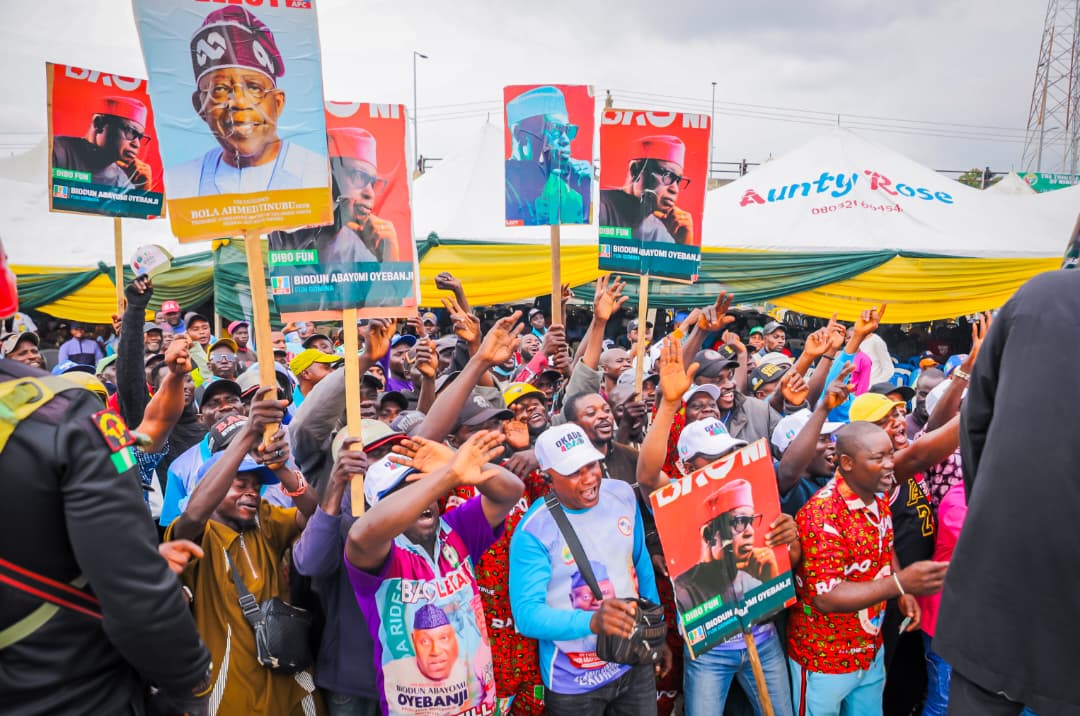
The Chairman added that the governor’s exemplary leadership and inclusive governance have brought unity and stability among transport workers, particularly through efforts aimed at reconciling previously divided groups within the sector.
He assured the governor that they would reciprocate the good gestures by mobilizing massive support and votes for his re-election come June 20.
Also speaking on behalf of the Tricycle riders Association, the Chairman, Mr Kunle Asaolu said there was virtually nothing the transport workers had requested that Governor Oyebanji had not addressed.
According to him, the governor has remained faithful to his promises and has continued to prioritize the interests of transport operators in the state.
Mr Akinola Alabi praised the Governor for restoring harmony among transport unions through deliberate reconciliation efforts, stressing that the peace being currently enjoyed within the sector is a testament to the administration’s commitment to inclusiveness. He pledged that members of the association would repay the governor’s support with overwhelming votes whenever the opportunity arises.
In his remarks, Governor Biodun Oyebanji, who expressed appreciation to the transport workers for the confidence they reposed in him and his administration during the 2022 governorship election despite not knowing him closely at the time, said the trust placed in his government has yielded positive results, adding that the progress recorded in the state was made possible through the support and cooperation of the people.
Emphasizing the importance of the June 20 election, Governor Oyebanji said the date is crucial because it presents an opportunity for Ekiti people to ensure continuity of the developmental strides recorded by his administration.
“It is also an opportunity to appreciate President Bola Tinubu for what he described as unprecedented support for Ekiti State”, Governor Oyebaniji said. He added that no previous President had extended such goodwill to the state since its creation.
The Governor therefore urged the transport workers to come out en masse and vote for the ruling party as a way of encouraging the President to do even more for the state.
“Three and a half years ago, we came to you and asked you to vote for us, you took a gamble, you did not know us but you voted for us and that gamble has paid off today and I must thank you also for maintaining peace with each other.
“For this peace to continue, June 20 is very important to us for two reasons, first, for all these good works you have mentioned can continue, secondly we have a President that has been so good to us in Ekiti state, Ekiti is 29 years old, there is no President that has been this good to us since creation of Ekiti state. So, a President that has been so good to us deserves to be encouraged and the only way to encourage him is by coming out on June 20 and cast your vote for his party”. The Governor asserted
Also present at the forum were the Deputy Governor, Chief (Mrs) Monisade Afuye, Director-General of the Campaign, Senator Cyril Fasuyi, Secretary to the State Government, Prof Habibat Adubiaro, Chief of Staff to the Governor and secretary of the Campaign Council, Mr Niyi Adebayo, among others


Tinubu Celebrates Pastor Kumuyi at 85, Hails His Global Impact and Spiritual Leadership
Share President Bola Ahmed Tinubu has congratulated the General Superintendent and founder of the Deeper Christian Life Ministry, William Folorunso...

Oyo School Kidnap: Police Arrest Six Informants, Couriers as Forest-Based Bandits Remain at Large
Share The Oyo State Police Command has recorded a significant breakthrough in its investigation into the abduction of schoolchildren and...

Weapons Looted During Libya Conflict Ended Up in Hands of Terrorists in Nigeria — UN
Share The United Nations has revealed that weapons looted during the 2011 Libyan conflict eventually found their way into the...

State Police Constitutional Framework Near Completion as Tinubu Administration Advances Reform Agenda
ShareABUJA, Nigeria — The Federal Government says significant progress has been made toward the establishment of state police across Nigeria,...


MOB UNITY CUP FINAL SET FOR JUNE 8 AT OLUYEMI KAYODE STADIUM
Share The grand finale of the highly celebrated MOB Unity Cup has been scheduled to take place on Monday, June...