Connect with us

News

3,000 WOMEN, YOUTHS BENEFIT IN SANWO-OLU’S AGRIC INVESTMENT TO BOOST FOOD SECURITY

Published

on

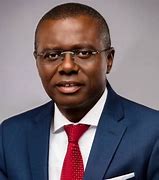
Lagos State Governor Babajide Sanwo-Olu
Share

•Governor Rolls Out Empowerment Scheme for Lagos Farmers, Assists 300 Trainees with N245 Million Machinery Support

The food sufficiency programme of Lagos State Governor Babajide Sanwo-Olu has been taken a notch higher. The Governor, on Thursday, rolled out massive agricultural investment that empowers 3,000 urban and rural farmers in key sectoral value chains.

Women, youths and peasant farmers were the main beneficiaries of the 2021 Agricultural Value Chains Enterprise Activation Programme through which the State Government is supporting agripreneurs with modern equipment and inputs that would help them make significant difference and scale up their agricultural practices.

Various groups of farmers, in their numbers, thronged the parade ground of the Police College, Ikeja to personally receive the material support from the Governor, accompanied by the Deputy Governor, Dr. Obafemi Hamzat, and members of the State Executive Council.

The scheme is also a component of the Sanwo-Olu administration’s five-year Agricultural and Food System Development Roadmap recently launched to chart a coordinated path for the desired development of the sector and boost food security.

The beneficiaries were selected for the scheme through a merit-based system anchored by independent associations of farmers across the State. The support was majorly for agripreneurs in poultry, piggery and artisanal fishery – the three sub-sectors largely affected by the disruption occasioned by Coronavirus (COVID-19) pandemic.

Sanwo-Olu noted that the intervention was necessitated by the need to raise food production, processing and marketing, while also creating jobs and sustaining the livelihood of the farmers through value creation.

Through the scheme, the Governor said the Government would be easing the burden of the beneficiary farmers and agriculture workers, describing the programme as “another milestone” in fulfilling his administration’s electoral promises to the people.

He said: “This Agricultural Value Chains Enterprise Activation Programme is a clear demonstration of the commitment of our administration to the development and expansion of the agricultural sector, which is driven by a farm-to-table model that aligns with our goal of making Lagos a truly 21st century economy.

“We are determined to increase food production in the State from the current 20 per cent to at least 50 per cent by 2025 and this effort has been emboldened, given the observed disruption in the supply chain of food across the country as a result of the COVID-19 pandemic and the outbreak of zoonotic diseases.

“We have emerged wiser and more determined to succeed in creating and nurturing a viable agribusiness sector in Lagos. The State Government has put in place a strategy for the proper utilisation and continuous maintenance of the assets being donated to derive maximum value from them. We are also working with a financial institution regarding appropriate financing structures for the guaranteed sustainability of the programme.”

Sanwo-Olu stressed that the deficiency of agricultural land in Lagos would not deter the State Government from deploying innovative and entrepreneurial ideas to create opportunities that would make the State sufficient in food production and engender economic growth through agriculture.

Lagos, the Governor said, will continue to maximize the value for resources invested in the agricultural sector, urging the beneficiaries to reciprocate the gesture by working hard to nurture their businesses to maturity.

Sanwo-Olu said the intervention would only be sustainable if the beneficiaries succeeded in activating new businesses and created positive impacts for agro-processors in the value chains.

“By putting in your best and judiciously utilising the assets entrusted to you, you are opening doors for more people to benefit tomorrow. Since your selection was based on merit, we believe you can deliver excellent results with these equipment and supplies you are receiving today,” Governor said.

He disclosed that his administration was set to establish Wholesale Agricultural Produce Hubs in strategic locations across the State to promote food safety and ensure access to direct markets for fresh-from-farm products, thereby reducing post-harvest losses for farmers.

Commissioner for Agriculture, Ms. Abisola Olusanya, said the State Government had not only restructured the projects for greater impacts, but also changed the name to transform the mindsets of beneficiaries not to see the initiative as entitlement and largesse from the Government.

She said the programme would help committed farmers to nurture their businesses into viable agricultural enterprises, pointing out that the Government had created a monitoring mechanism to keep track of the beneficiaries’ activities.

She said:“The Enterprise Activation programme will contribute to inclusive agricultural growth in Lagos, as it will be creating access for beneficiaries to exit the poverty trap and reduce economic inequality. Aside creating new marketing opportunities in the value chains, the programme will also provide a social safety net for youth, women and the vulnerable.”

Oniru of Iru Kingdom and immediate past Commissioner for Agriculture, Oba Gbolahan Lawal, praised the Sanwo-Olu administration for raising the investment for the scheme, which the monarch described as “inclusive empowerment”, as the intervention was extended to farmers in urban areas.

The traditional ruler urged beneficiaries not to betray the Government’s trust, asking them to utilise the support for the improvement of their businesses and turn in good testimonies at the end of the scheme’s tenure.

President of Ogbonge Women, a farmers’ group, Mrs. Chinasa Asonye, praised the Governor for the opportunity and for the priority accorded to women in agricultural business. She promised, on behalf of the beneficiaries, to judiciously deploy the tools for improved food production and return on investment.

In the scheme, 300 youths trained in Aquaculture and Poultry Production at the Lagos Agripreneurship Programme (LAP) were empowered with agricultural inputs valued at N245 million, which represented 46.7 per cent of the total investment in the programme.

Other beneficiaries include 400 pig farmers that participated in Agricultural Youth Empowerment Scheme (Agric-YES), 680 fishermen, 190 fish cage culture artisans, 360 egg marketers, 500 fish processors, 200 rice farmers and 370 crop farmers.

They received variety of modern tools, such as tractors, ploughs, fishing boats and gear, harvesters, threshers, destoning machines, defeathering machines, herbicides, fish juveniles, pig growers, smoking kilns, crates of eggs, and inputs, which are to be utilised in farming communities across Lagos agricultural zones of Badagry, Epe and Ikorodu

Continue Reading
Click to comment

Leave a Reply

Your email address will not be published. Required fields are marked *

News

NLC Requests More Crude For Refineries, Rejecst Petrol Price Hike

Published

on

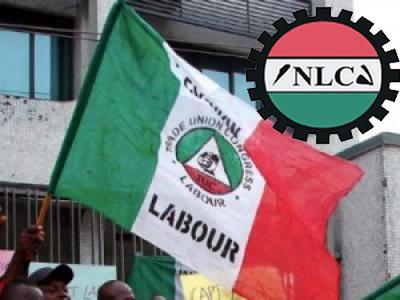
NLC Flag
Share

The latest increase in the price of Premium Motor Spirit, popularly known as petrol, has been rejected by the Nigeria Labour Congress. The labour condemned the hike as “avoidable and unacceptable” questioning why the Federal Government has not done more to ensure that the Dangote Petroleum Refinery gets adequate supplies of Nigerian crude.

The NLC acting General Secretary, Benson Upah, stated this in an interview with the press on Tuesday, while reacting to the latest increase in petrol prices.

Upah warned that the development would further compound the economic difficulties confronting ordinary Nigerians, especially workers and low-income households already struggling with high transportation, food and other living costs.

“This adds to the increasing difficulties of the average Nigerian for whom life has been Hobbesian.

“The latest increase is avoidable and unacceptable in light of falling prices in the international market and our local capacity to sell more crude oil to Dangote. Why are we not doing so?” he queried.

The NLC’s reaction came against the backdrop of another increase in the price of petrol by the Dangote Petroleum Refinery, which has triggered fresh concerns among motorists, transport operators and businesses already grappling with high operating costs.

The refinery raised its petrol gantry price by N65 per litre on Saturday, moving it from N1,200 to N1,265 per litre. The latest adjustment came only three days after the company increased the price from N1,185 to N1,200 per litre.

It was the third price adjustment by the refinery in eight days. On August 21, the company had raised its gantry price from N1,165 to N1,185 per litre.

Altogether, the three adjustments increased N100 to the price of petrol at the refinery’s gantry, representing an 8.6 per cent increase within just eight days.

The latest increase has since reverberated across the downstream market, with petrol prices varying from one location to another as marketers factor in transportation, logistics and other distribution costs.

In some parts of Lagos and Ogun, petrol is about N1,310 per litre, while prices in some northern states and areas farther from the refinery have climbed to N1,350 and above.

The renewed price increase is coming at a particularly sensitive time for Nigerians, many of whom are still struggling with the impact of the removal of the petrol subsidy in 2023.

The hike has revived an old but unresolved question in Nigeria’s petroleum sector: why does a crude-producing country with a major new refinery still face persistent pressure on petrol prices?

The question has become more prominent with the emergence of the Dangote refinery, which has a capacity to process about 650,000 barrels of crude oil daily and was expected to reduce Nigeria’s dependence on imported refined petroleum products.

But while the refinery has ramped up production, securing adequate quantities of Nigerian crude has remained a contentious issue.

Continue Reading

Health

2 Abuja Doctors, 2 Others Arrested Over Organ Harvesting in Abuja

Published

on

Share

Two medical doctors and two other suspects have been arrested in Abuja for organ harvesting by the Nigerian Police Force in late August 2026. They were arrested for allegedly running an organ harvesting and human trafficking network operating between Abuja and Nasarawa State.

The arrested medical practitioners are Dr. Benjamin Oyime (a 48-year-old kidney consultant) and Dr. Daniel Otukpa (a 53-year-old Acting Director of Clinical Services).

Both nephrologists are linked to Wellington Clinics (Wellington Hospital) in Life Camp, Abuja.

The arrests were executed by the Special Tactical Squad (STS-FID) following an investigation brought to light by social media activist Martins Vincent Otse (popularly known as VeryDarkMan or VDM) and his team.

The victim, a 22-year-old man named Samuel Ezekiel approached the activists after medical scans at independent hospitals verified that his left kidney was missing.

The 23-year-old intermediary, Emmanuel Ode, allegedly confessed to recruiting Ezekiel and bringing him to Wellington Hospital for the illegal surgery.

Investigators report that the victim was manipulated into signing official consent documents under a fake name, “Isa Abubakar”.

It was further revealed that the victim was allegedly paid ₦1.7 million for the kidney, while legal representatives allege that the black-market syndicate resells these harvested organs to wealthy recipients for ₦50 million to ₦70 million.

Activists and lawyers from the Martin Luther King Centre fear that this is not an isolated incident, estimating that more than 10 young Nigerians may have fallen victim to this specific ring.

Following the police raids and public outcry, Wellington Clinics Abuja issued an official statement denying any deliberate involvement in commercialized organ trafficking. Meanwhile, the private facility immediately suspended all kidney transplant and services effective August 31, 2026, while the criminal investigation continues.

NewsBlast recalls that this case reflects previous enforcement actions by the National Agency for the Prohibition of Trafficking in Persons (NAPTIP), in which it arraigned doctors from Alliance Hospital in Abuja for similar black-market kidney transplants.

Furthermore, under the National Health Act, trading human organs for commercial gain or charging a fee for transplants carries severe criminal penalties in Nigeria.

Continue Reading

News

Shettima at 60: VP Rejects Birthday Gifts, Asks Nigerians to Give to the Needy

Published

on

Share


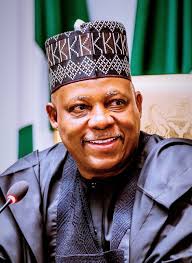
Vice President Kashim Shettima has rejected birthday gifts, elaborate celebrations and other material gestures as he marks his 60th birthday, instead urging Nigerians to mark the occasion by supporting the needy and donating to charitable causes across the country.

Shettima made the appeal in a personal statement titled “What I Ask For at Sixty,” released ahead of his birthday.

The Vice President said attaining 60 should be a moment for reflection, gratitude and service, rather than an occasion for material accumulation or personal celebration.

He appealed to his friends, supporters, associates, well-wishers and admirers, both within and outside Nigeria, to refrain from spending money on gifts or ventures in his honour and instead channel such resources to a charity, worthy cause or individual in need.

Shettima said acts of kindness, regardless of their size, could make a significant difference in the lives of Nigerians facing difficult circumstances.

According to him, every act of kindness extended to another person would amount to “a candle lit” for him as he marks the milestone.

The Vice President acknowledged that his journey to 60 had been aided by the kindness and support of family, friends, teachers, colleagues, supporters, well-wishers and strangers.

He said the most appropriate way to repay such goodwill was by extending similar kindness to others who might never have the opportunity to reciprocate.

Shettima also asked Nigerians to replace birthday gifts and celebrations with prayers for him and the country.

He called for prayers for peace in Nigerian communities, prosperity for citizens, wisdom for the nation’s leaders and the fulfilment of Nigeria’s potential.

The Vice President described Nigeria as a country blessed with an industrious population, a strong entrepreneurial spirit and a youthful population whose talent, ambition and imagination remain among its greatest national assets.

He expressed appreciation to Nigerians for their loyalty, affection, friendship and prayers over the years, wishing them long life, good health, fulfilment and the joy of helping others.

Continue Reading