
Business & Economy
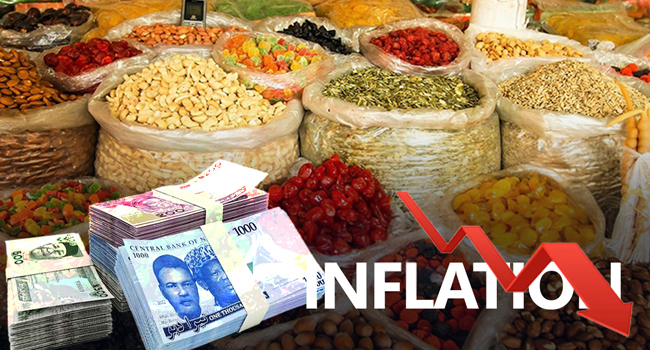
Nigeria’s Inflation Eases Marginally to 15.39% in August — NBS



Business & Economy
Tinubu To Present 2027 Budget Before Year-End As FEC Approves Five-Year Development Plan


News8 hours ago
Tinubu Accelerates Northern Rail Projects, Kaduna-Kano Line Set for December 3 Inauguration
Share President Bola Ahmed Tinubu has intensified efforts to complete major railway projects across Northern Nigeria, with the Kaduna–Kano Standard...

Blast Politics24 hours ago
Why I Dumped Atiku for Tinubu Ahead of 2027 — Former Delta Governor Okowa Opens Up
Share Former Delta State Governor and 2023 vice-presidential candidate of the Peoples Democratic Party (PDP), Senator Ifeanyi Okowa, has explained...

Defence and Security1 day ago
Troops Foil Mass Abduction in Borno, Rescue 119 Hostages, Recover Eight Vehicles
Share Troops of the Nigerian Army have reportedly foiled a mass abduction attempt by suspected terrorists in Borno State, rescuing...

Blast Politics1 day ago
Tinubu Urges Rivers Voters To Use PVCs As Weapon Against Poverty
Share President Bola Tinubu has urged Nigerians, particularly voters in Rivers State, to deploy their Permanent Voter Cards (PVCs) in...


Sports Blast1 day ago
Akpabio, Okpebholo Hail Flamingos After Historic U-17 World Cup Victory
Share President of the Senate, Godswill Akpabio, and Edo State Governor, Monday Okpebholo, have congratulated Nigeria’s U-17 women’s national football...