Connect with us

Uncategorized

Эффект сопоставления себя с другими в социальных платформах

Published

on

Share

Эффект сопоставления себя с другими в социальных платформах

Социальные платформы изменили метод понимания собственной жизни и достижений. Пользователи каждодневно смотрят фотографии, истории и посты знакомых, коллег, инфлюенсеров. Каждая запись представляет эпизод радости, триумфа или привлекательности. Личность начинает непроизвольно сопоставлять посторонние итоги со своими.

Психологи именуют этот феномен социальным сравнением. Процесс действует бессознательно и запускается при просматривании ленты публикаций. Мозг оценивает облик, профессиональные успехи, путешествия, отношения иных персон.

Изыскания показывают связь между периодом в социальных сетях и уровнем неудовлетворённости существованием. Чем больше индивид просматривает аккаунты иных пользователей, тем чаще формируется 1win чувство недостаточности личных итогов.

Трудность касается индивидов различного возраста. Подростки сопоставляют вид и известность. Взрослые сравнивают карьерный рост и материальное благополучие. Регулярное сопоставление порождает напряжение и влияет на эмоциональное самочувствие.

Почему социальные платформы становятся средой регулярного сравнения

Платформы социальных медиа формируют условия для беспрерывного сопоставления. Пользователь получает возможность к быту сотен персон параллельно. Прежде личность сопоставлял себя с близким средой: соседями, одноклассниками, сотрудниками. Сейчас круг вырос до планетарных масштабов.

Визуальный вид контента повышает эффект. Снимки и ролики усваиваются скорее текста и порождают яркие образы. Мозг фиксирует изображение идеального каникул или удачного мероприятия. Эти образы делаются образцом для сопоставления.

Непрерывная доступность сервисов укрепляет склонность контролировать обновления. Личность запускает приложение множество раз за сутки. Периодичность просмотра фиксирует 1win шаблон машинального сравнения.

Социальные сети убирают контекст. Пользователь наблюдает конечный итог без хода и трудностей. Запись представляет эпизод победы, но маскирует месяцы планирования. Отсутствие исчерпывающей информации изменяет понимание иных успехов.

Приукрашенные профили и иллюзия чужой совершенной жизни

Юзеры социальных платформ тщательно выбирают контент для публикации. Страница становится в демонстрацию отборных мгновений бытия. Провальные изображения стираются, тяжёлые этапы прячутся за полем. Публика видит только исправленную версию действительности.

Инструменты обработки фотографий усиливают дистанцию между действительностью и её виртуальным изображением. Фильтры корректируют внешность, свет, пропорции. Исход смотрится эффектно, но оторван от реальности.

Создание идеализированного представления охватывает несколько составляющих:

  • Выборочная публикация только благоприятных событий
  • Неоднократная фотографирование для отбора удачливого кадра
  • Экспертная обработка фотографий
  • Внимательный подбор ракурсов и локаций

Наблюдатель воспринимает отредактированный материал как 1вин подлинное расположение обстоятельств. Сопоставление личной заурядной существования с чужой безупречной картинкой порождает ощущение ущербности. Индивид забывает, что замечает итог редактирования, а не реальную хронику.

Как алгоритмы повышают интерес к достигшим, красивым и популярным индивидам

Сервисы социальных сетей задействуют механизмы для формирования персонализированной подборки. Алгоритм анализирует активность участника и показывает контент с значительной шансом взаимодействия. Записи с огромным количеством отметок и ответов обретают приоритет в выдаче.

Механизм создаёт эффект известности. Публикации успешных людей собирают больше ответов, поэтому алгоритм чаще показывает такой контент. Пользователь наблюдает бесконечный поток достижений и красивых изображений. Повседневные мгновения бытия пребывают незамеченными.

Алгоритм предложений увеличивает диапазон сопоставления. Платформа рекомендует подписаться на профили со близкими увлечениями, но более лучшими индикаторами достижения. Человек начинает наблюдать за блогерами и предпринимателями. Каждый свежий страница добавляет 1 win образец для сопоставления.

Механизмы считают время изучения публикации. Яркие и визуально привлекательные записи удерживают внимание продолжительнее. Поток трансформируется в коллекцию безупречных биографий, усиливая прессинг на самоощущение.

Сравнение облика, заработка и успехов как источник внутреннего давления

Вид оказывается изначальным объектом сопоставления в социальных платформах. Участники сопоставляют комплекцию, черты лица, манеру наряда. Фотографии иных персон создают норму обаяния. Личное отражение начинает представляться недостаточно привлекательным.

Финансовое процветание удерживает второе строчку в реестре критериев. Публикации показывают дорогостоящие товары, автомобили, рестораны. Индивид анализирует личный достаток и перспективы. Разрыв между ожидаемым и доступным порождает 1win ощущение недовольства.

Служебные успехи создают третью группу напряжения. Публикации о продвижении, старте бизнеса, окончании инициатив порождают впечатление всеобщего триумфа. Пользователь начинает расценивать собственный карьерный развитие медленным. Сопоставление пренебрегает разницу в начальных обстоятельствах.

Частная жизнь включает четвёртое аспект сравнения. Фотографии счастливых пар и семейных торжеств формируют образ совершенных связей. Одинокие персоны ощущают одиночество. Те, кто состоит в связях, неуверенны в характере собственной связи.

Какие переживания чаще всего провоцирует просмотр чужих публикаций

Просмотр потока социальных сетей активирует сложный спектр психологических ответов. Контент посторонних участников влияет на расположение и самочувствие. Психологи выделяют несколько типичных эмоций при взаимодействии с платформами.

Главные чувства, которые ощущают юзеры:

  • Зависть к посторонним успехам и стилю жизни
  • Волнение по причине собственной неполной успешности
  • Разочарование в нынешних ситуациях
  • Отчуждение при созерцании весёлых собраний
  • Колебание в корректности жизненного пути

Зависть появляется машинально при созерцании ожидаемого, но неполучаемого. Человек хочет аналогичную же автомобиль, отпуск или комплекцию. Бессилие обрести подобное создаёт 1вин психологическое давление.

Тревога нарастает при регулярном наблюдении триумфов других индивидов. Пользователь начинает беспокоиться о собственном проигрыше. Боязнь не успеть, не достичь, не отвечать становится неизменным сопровождением.

Почему реакции и фолловеры начинают трактоваться как мерило личной важности

Социальные сети конвертируют человеческие отношения в числовые индикаторы. Объём отметок, комментариев и читателей делается открытым для окружающих. Числа формируют иллюзию непредвзятой суждения индивида.

Мозг воспринимает позитивные ответы как общественное поощрение. Каждый отметка включает систему награды и выделяет дофамин. Человек начинает стремиться к воспроизведению этого переживания.

Открытость индикаторов усиливает их значимость. Юзер замечает, сколько интереса получают записи иных людей. Сравнение личных индикаторов с посторонними включается машинально. Меньшее число реакций интерпретируется как 1 win свидетельство меньшей важности.

Недостаток отметок провоцирует беспокойство и сомнения. Индивид начинает анализировать причины низкой заинтересованности. Самовосприятие делается подневольной от ответов публики. Механизмы связывают известность с видимостью, образуя бесконечный контур.

Эффект социальных сетей на самовосприятие, беспокойство и довольство жизнью

Исследования фиксируют взаимосвязь между деятельностью в социальных платформах и падением самооценки. Участники, уделяющие более трёх часов в день на системах, чаще сообщают о плохом восприятии к себе. Непрерывное сопоставление подрывает веру в собственных свойствах.

Беспокойство возрастает при постоянном просмотре приукрашенного материала. Человек начинает тревожиться о согласованности общественным эталонам. Боязнь оценки и осуждения растёт. Потребность показывать результативность формирует 1вин постоянное стресс.

Удовлетворённость бытием уменьшается соразмерно времени в социальных сетях. Юзеры трактуют личные обстоятельства как менее успешные. Будничные моменты утрачивают ценность на фоне выразительных постов. Действительность кажется унылой и скучной.

Молодые индивиды особенно восприимчивы перед влиянием платформ. Подростки выстраивают самосознание в фазу активного применения сетей. Деструктивные сопоставления закрепляются продолжительно. Цифры показывает рост депрессивных состояний среди юзеров младше двадцати пяти лет.

Промахи, которые повышают склонность сопоставлять себя с иными

Определённые шаблоны активности в социальных платформах обостряют склонность к сопоставлению. Участники неосознанно производят поступки, расширяющие деструктивное давление платформ. Признание этих промахов содействует пересмотреть восприятие к контенту.

Характерные ошибки при применении социальных платформ:

  • Хаотичный пролистывание ленты в эпизоды скуки
  • Подписка на аккаунты преуспевающих незнакомцев
  • Проверка аккаунтов людей, порождающих зависть
  • Просмотр сетей немедленно после вставания или перед отдыхом

Бесцельный просмотр потока становится в автоматическую манеру. Индивид активирует приложение без ясной намерения. Мозг принимает разрозненный шквал данных о чужих достижениях. Нехватка замысла создаёт восприятие 1 win более безучастным и подверженным для негативных сопоставлений.

Подписка на профили, показывающие недосягаемый стиль существования, создаёт постоянный корень стресса. Участник сознательно заполняет ленту контентом, понижающим самовосприятие. Каждое обновление усиливает ощущение личной ущербности.

Как сохранить здоровое восприятие к контенту и личным достижениям

Разумное использование социальных платформ снижает отрицательное влияние сопоставлений. Изначальный действие — лимитирование длительности на платформах. Включение таймера содействует отслеживать продолжительность сеансов. Двадцать минут в день достаточно для сохранения контакта без ущерба самочувствию.

Отбор подборки удаляет источники токсичных сравнений. Отмена от профилей, порождающих зависть или беспокойство, повышает качество контента. Следование на образовательные профили создаёт 1win конструктивную информационную среду.

Концентрация на собственном росте вместо иных достижений меняет угол. Поддержание собственного блокнота успехов содействует отслеживать развитие. Сравнение текущих результатов с минувшими выявляет подлинное развитие.

Критическое восприятие контента защищает от иллюзий. Осознание об исправленной сущности публикаций снижает их чувственное воздействие. Осознание, что публикации показывают лучшие эпизоды, возрождает реалистичный подход. Систематические отдыхи от социальных платформ восстанавливают соединение с действительностью.

Continue Reading
Click to comment

Leave a Reply

Your email address will not be published. Required fields are marked *

Uncategorized

FG unveils New Reforms to Tackle Almajiri, Out of School Children

Published

on

Share

The Federal Government has unveiled new reforms aimed at ensuring every Nigerian child returns to school and acquires relevant knowledge and skills.

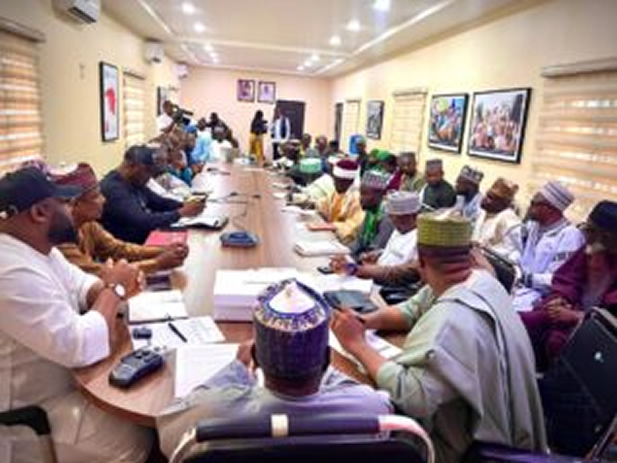
Special Adviser to the Minister of Education on Almajiri,  and Out of School Children, Dr Balarabe Kakale disclosed this in Kaduna on Monday while speaking at a National Education Sector Renewal Initiative (NESRI) advocacy and stakeholders engagement on Almajiri and out-of-school children.

He said the Federal Ministry of Education has introduced transformative policies to address challenges confronting Almajiri, out-of-school and other non-formal education systems.

According to him, the reforms are designed to strengthen coordination between federal and state agencies working in the education and out-of-school subsectors.

He said the policies were anchored on five pillars, including foundational literacy, numeracy, vocational and technical education, digital education and civic education.

Kakale said proper implementation of the policies by states would ensure that no Nigerian child was left without access to education.

He urged states to domesticate the National Commission for Almajiri and Out-of-School Children Education Act according to their peculiar educational challenges.

He also called for domestication of policies on Almajiri education, non-state schools, alternative pathways and Accelerated Basic Education Programme.

Kakale commended the Kaduna Government for implementing several reforms through the Reaching Out of School Children (ROSK) project.

He described Kaduna as a model that could provide lessons for national scale-up of interventions addressing out of school children.

The special adviser said the Federal Government was promoting data sovereignty through the Nigerian Education Data Infrastructure and other digital education management systems.

He said the initiative would ensure that every child, school, teacher and infrastructure gap was properly captured for effective policy interventions.

Kakale said Nigeria currently had no final figure for out-of-school children, stressing that reliable and verifiable data remained critical to solving the challenge.

He said the Federal Government would no longer depend on third-party estimates, but would track children from enrolment through retention and academic progress.

The special adviser urged North-West states to embrace federal education policies and digital data initiatives to accelerate efforts to return children to school.

He expressed optimism that coordinated implementation would help Nigeria achieve its goal of becoming a leading nation in Africa.

Representing the Executive Secretary of the National Commission for Almajiri and Out of School Children Education, Malam Halliru Musa Halliru said the commission was committed to transforming Almajiri education.

Halliru said the commission had developed a 10 year strategic plan for 2025–2035 to provide coordinated and sustainable interventions in Almajiri and out of school education.

He said the National Policy on Enhancement of Almajiri Education sought to strengthen traditional education through literacy, numeracy, vocational training and quality assurance.

According to him, the policy seeks to build bridges between traditional and modern education without discarding the religious and cultural values of the Almajiri system.

Halliru said about 200 Almajiri learners at the Tinubu Legacy Skills Training Institute in Kaduna had received Arabic, English, vocational and practical skills training.

He said the learners had also excelled in examinations conducted by the National Board for Arabic and Islamic Studies.

The commission’s representative said 119 learning centres had been established nationwide to support Almajiri learners and out of school children.

He added that the commission had mapped more than 700,000 out of school children to support targeted interventions and enrolment.

Halliru said the commission was also collecting comprehensive data on Tsangaya centres to improve planning, support, coordination and quality assurance.

He said the commission had established offices in all states and the Federal Capital Territory to strengthen collaboration and monitoring.

Prof. Abubakar  Sambo, Kaduna State Commissioner for Education, said the challenge of Almajiri and out of school children required coordinated action by governments and stakeholders.

Sambo said poverty remained a major factor forcing children out of school, particularly in rural and peri urban communities.

He said some parents also sent very young children to Almajirai, describing the practice as a growing challenge in northern states.

The commissioner urged participants to carefully study the federal policies and develop strategies for implementing them across states and local governments.

He identified accurate data on out of school children as critical to successful planning and intervention.

Sambo said Kaduna State had fully embraced the Federal Government’s policies and remained committed to addressing the out-of-school children challenge.

Mr Ezra Angai, Coordinator of the Kaduna ROOSC project, said the state had adopted a holistic approach to returning children to learning.

Angai said the project was designed to return 100,000 out of school children to education through formal schools and alternative learning pathways.

He said Kaduna had mapped 187,912 out of school children across its 23 local government areas.

According to him, the project had established alternative learning systems, including Accelerated Basic Education Centres and interventions within Tsangaya schools.

Angai said the state had signed memoranda of understanding with 25 Tsangayas, reaching 6,326 learners, while plans were underway to engage 50 more.

He said the project would also provide interventions for Tsangayas, recognising them as important learning centres within communities.

The coordinator said 272 schools, comprising new and renovated facilities, were planned under the project, including 102 new schools.

He said six Tsangayas would benefit from the first phase of infrastructure intervention, while 27 others were proposed for the second phase.

Angai said more than 25,000 children had already been returned to learning through the ROOSC project.

He said over 40,000 teaching and learning materials had been distributed, alongside uniforms, textbooks and psychosocial support.

According to him, more than 2,000 children with disabilities had received assistive devices across nine local government areas.

Angai said the project had received support from development partners, including the Islamic Development Bank, Kuwait Fund, UNICEF and Save the Children International.

He said the project also collaborated with Education Above All and the Global Partnership for Education.

He urged stakeholders to sustain collaboration with the Federal Government to strengthen implementation of policies addressing education exclusion.

The engagement brought together government agencies, traditional rulers, Islamic scholars, Alarammas, Tsangaya proprietors, civil society organisations and development partners.

Participants also called for stronger collaboration, improved data collection and community mobilisation to ensure vulnerable children returned to learning.

The stakeholders pledged continued support for reforms aimed at integrating Almajiri education with broader educational opportunities and reducing the number of out of school children.

They also stressed the need to move beyond data collection and policies towards practical interventions capable of improving children’s access, retention and learning outcomes.

NAN

Continue Reading

Politics

Tinubu, Obi, Adebayo, Sowore: Sign Peace Pact to Shun Violence Ahead Of 2027 Poll

Published

on

Share

Political parties and presidential and National Assembly candidates on Tuesday signed the first National Peace Accord ahead of the 2027 general elections, pledging to shun violence, hate speech, misinformation and personal attacks during campaigns.

The ceremony, organized by the National Peace Committee in partnership with The Kukah Centre, was held in Abuja barely 24 hours before the statutory commencement of public campaigns on Wednesday, August 19, 2026.

Those who signed included President Bola Tinubu, represented by Secretary to the Government of the Federation, Senator George Akume; Nigeria Democratic Congress candidate Peter Obi; Social Democratic Party candidate Adewole Adebayo; and African Action Congress candidate Omoyele Sowore.

Also present were APC National Chairman Prof Nentawe Yilwatda; PRP presidential candidate Donald Duke; Labour Party’s Chibuzor Okereke; Deputy Senate President Barau Jibrin; PRP National Chairman Hakeem Baba-Ahmed; INEC Chairman Prof Joash Amupitan; and IGP Olatunji Disu.

Notable absentees were ADC presidential candidate Atiku Abubakar and APM candidate, Oyo State Governor Seyi Makinde.
General Abdulsalami Abubakar, Chairman of the National Peace Committee, was represented by former Chief of Defence Staff, General Martin Agwai.

Speaking through Akume, President Tinubu urged parties to prioritize national interest and campaign on ideas, not ethnicity or religion.
“Signing this peace accord is a solemn pledge to the Nigerian people that we, as leaders, will put the nation’s interests above personal or partisan ambitions,” he said.

The President said the APC rejects “violence, hate speech, the spread of misinformation, including through artificial intelligence, and all forms of incitement, especially via social media,” and called for peaceful, transparent elections.

INEC Chairman Prof Amupitan described the accord as an effort to define “the ethical boundaries of their contest” before campaigns begin. He warned of an “alarming resurgence” of hate speech, toxic polarization and AI-driven misinformation.

“Electoral contests in a constitutional democracy are not total wars; they are competitive job interviews before the electorate. Nigerians do not want insults; they want solutions,” Amupitan said.

He challenged candidates to focus on the economy, security, infrastructure, healthcare, education and social inclusion. The INEC boss also disclosed that the commission will deploy about 1.4 million ad hoc personnel across more than 176,000 polling units for the 2027 polls.

“Leadership attained at the expense of public peace, institutional integrity, or human life is a hollow victory,” he warned.

According to INEC’s revised timetable, presidential and National Assembly elections will hold on January 16, 2027, while governorship and State House of Assembly elections are scheduled for February 6, 2027.

The National Peace Committee said it has facilitated 30 peace accords since 2015 and established faith-based peace structures in 23 states to support peaceful elections.

Continue Reading

Uncategorized

Israel-US-Iran Conflict: NCPC Lifts Ban on Christian Pilgrimage to Israel ​

Published

on

Share

The Nigerian Christian Pilgrim Commission (NCPC) has lifted the ban on Christian pilgrimage to Israel following an assessment of the security situation in the Holy Land.

​The Executive Secretary of the NCPC, Bishop Stephen Adegbite, announced the decision in a statement on Saturday in Abuja.

Adegbite who was at the Wailing Wall in Jerusalem, Israel,  said his declaration followed an on-the-spot assessment of the security atmosphere during his three-day visit to Jerusalem.

​”I promised everyone that I will be here to see what is happening in the Holy Land. I have been here in the last three days. The Holy Land is peaceful.

“Jerusalem is at peace and will continue to be at peace.

​”Consequently, the ban on Christian Pilgrimage from Nigeria to Israel is hereby lifted from today,” he said.

​He further revealled that under the new arrangement, Nigerian pilgrims would only be permitted to travel through the Ben Gurion International Airport in Tel Aviv.

​He said that pilgrimage routes through Jordan remained suspended due to ongoing security concerns in that territory.

​”Jordan is not safe at the moment, and the commission can not take that risk,” he added.

​Adegbite expressed confidence in the safety of Nigerian pilgrims, assuring that every prayer offered in the Holy Land would be answered.

​He reassured prospective pilgrims that the commission had maintained a record of safe returns from past exercises and that the 2026 exercise would be no exception.

​The NCPC helmsman also offered prayers for national unity, praying for peace for President Bola Tinubu, the First Lady, and government officials across all six geopolitical zones of Nigeria.

​The NCPC is the federal agency established to supervise and coordinate the movement of Nigerian Christian pilgrims to holy sites around the world, primarily in Israel, Jordan, and Rome.

The commission had in February, suspended pilgrimage activities to the region following the outbreak of the US-Israel-Iran conflict.

​Escalations stemming from the US-Israel-Iran conflict led to heightened security risks across the Middle Eas

This forced international flight disruptions and prompted several governments, including Nigeria, to temporarily halt religious pilgrimages to the region to protect citizens.

​The lifting of the ban marks the formal resumption of state-backed and private Christian pilgrimage operations from Nigeria to Tel Aviv for the remainder of the 2026 pilgrimage calendar

Continue Reading