Connect with us

Defence and Security

Troops Kill 10 Boko Haram/ISWAP Commanders, Over 100 Terrorists

Published

on

Troops
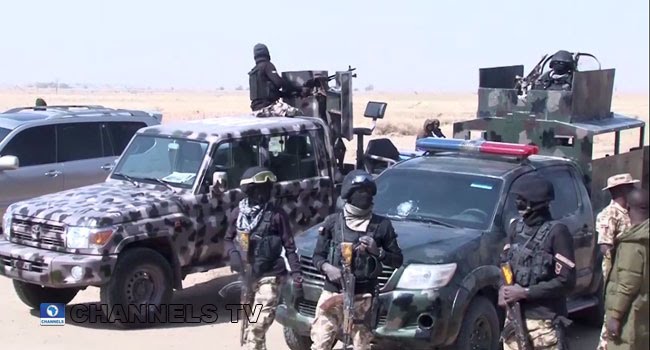
Troops of Multinational Joint Task Force
Share


Troops of the Multinational Joint Task Force (MNJTF) have killed 10 Boko Haram and Islamic State of West Africa Province (ISWAP) commanders, as well as over 100 terrorists during land and air clearance operations along the fringes of the Lake Chad Basin.

The operation codenamed Operation Lake Sanity is a joint and combined operation involving the MNJTF troops from Nigeria, Niger, and Cameroon and troops from Operation Hadin Kai (OPHK- Nigeria) as well as the Air Task Forces of the MNJTF and OPHK, other security agencies and the Civilian Joint Taskforce (CJTF).

According to a statement by the spokesman for the MNJTF, Colonel Muhammad Dole, some of the areas cleared by the troops include Zanari, Arina Woje which served as a major fabrication workshop for the terrorists.
Other areas include Asagar, Larki, Garere, Kerenoa, Wurje, Arege, Abadam, Doron Lelewa, Kolaram, and several other locations around the islands.

However, 18 soldiers were wounded while three others and a member of the CJTF paid the supreme price during the operation.

Dole said the terrorists and their commanders were neutralised within the period of the operation, following intelligence-driven lethal airstrikes in the Lake Chad islands by the combined air task forces.

He listed some of the commanders killed to include Abubakar Dan Buduma, Abubakar Shuwa, Abu Ali, and Abu Jubrilla, among others.

During the operation, several sophisticated weapons of different calibres were either destroyed or captured, including a 105 mm artillery piece, several canoes/boats, motorcycles, and bicycles.

Other terrorists’ equipment, several Improvised Explosive Devices (IED) making factories, and bunkers were also destroyed while a significant number of innocent citizens mostly women and children held captive by the criminals were said to have been rescued.

The statement read, “Recent activities of the operations include a clearance patrol to Fedondiya settlement where logistics and foodstuffs, including several bags of maize and beans, motorcycles, some immobilised and cannibalised military and civil vehicles were discovered.

“Others, including grinding machines, other vehicle fabrication tools, and military uniforms, were all destroyed and set ablaze in the location. It is obviously a big Boko Haram /ISWAP camp having another large IED-making and vehicle-borne IED-making factory that was cleverly camouflaged to prevent detection from the air.

“In a related development, the MNJTF troops on clearance patrols in the general areas of Kimeguna near the Lake Chad in Niger republic accosted BHT/ISWAP logisticians ferrying 457 bags of fish in several carts.

The bags of fish were immediately destroyed in line with the MNJTF Standing Operating Procedure while the suspects are being profiled.

“The obviously frustrated criminals – BHT/ISWAP have resorted to the indiscriminate laying of IEDs and use of vehicle-borne explosive devices to attack. One pattern noticed in the operation is that the criminals hastily withdraw and avoid making contact with the approaching troops.

“They instead rely on suicide vehicle-borne attacks. About four different such attacks have so far targeted the determined troops who have not been deterred. Sadly, 18 soldiers, including an officer have been wounded in these attacks and have been evacuated to various military medical facilities for treatment while three soldiers and one member of the CJTF paid the supreme sacrifice”.

In his reaction, the Force Commander of MNJTF, Major General Abdul Ibrahim, commended the troops and the CJTF for their courage and commitment.

While paying tribute to the members of the operation who paid the supreme sacrifice in the line of duty, he described them as heroes who would never be forgotten.

Ibrahim also prayed for the quick recovery of the wounded heroes and urged the troops to be resolute and bold to finally eradicate the criminals from the Lake Chad areas.

Continue Reading
Click to comment

Leave a Reply

Your email address will not be published. Required fields are marked *

Defence and Security

Police Rescue Adegoke and Her Twin Sons in Ibadan; Two Suspected Kidnappers Killed

Published

on

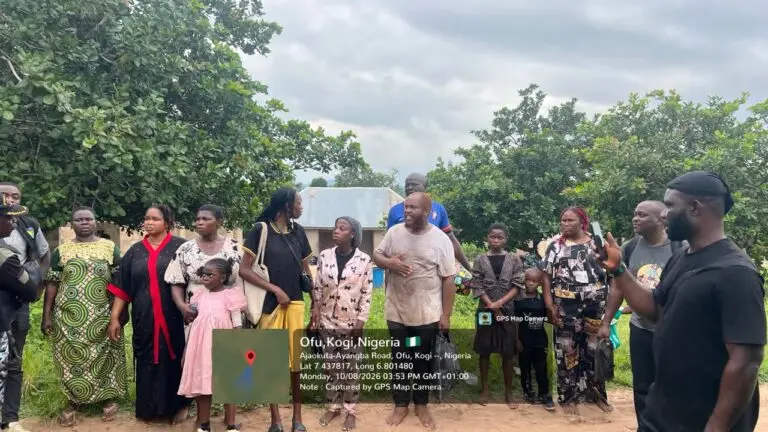
Adegoke and her twin Sons
Share


ABUJA, June 6, 2026 — The Nigeria Police Force (NPF) has confirmed the successful rescue of a woman, Mrs. Olaide Busayo Adegoke John-Paul, and her 12-year-old twin sons, Peter and Paul, who were abducted in Ibadan, Oyo State, earlier this week.

The victims regained their freedom on Saturday evening following a coordinated intelligence-led operation carried out by operatives of the Force Intelligence Department Intelligence Response Team (FID-IRT).

According to a statement issued by the Force Public Relations Officer, Deputy Commissioner of Police (DCP) Anthony Okon Placid, the rescue operation was conducted at about 7:30 p.m. on June 6, 2026, after days of intensive surveillance, intelligence gathering, and tactical tracking of the kidnappers’ movements.

Mrs. Adegoke and her twin sons were reportedly kidnapped at approximately 7:30 a.m. on June 3, 2026, while she was driving the children to school in Ibadan. The incident triggered an immediate response from security agencies, with the FID-IRT launching a comprehensive operation aimed at locating the victims and apprehending their captors.

The police disclosed that sustained intelligence efforts enabled operatives to identify and monitor the movements of the kidnapping gang, leading to a confrontation between the suspects and security personnel during the rescue mission.

During the exchange, two suspected kidnappers were fatally wounded, while security operatives recovered two rifles believed to have been used by the criminal syndicate. The remaining members of the gang reportedly fled the scene.

The rescued victims were found unharmed and have since been placed under protective custody, where they are receiving medical attention and psychological support.

The Inspector-General of Police commended the courage, professionalism, and dedication demonstrated by the FID-IRT operatives and other officers involved in the operation. He noted that their commitment and resilience were instrumental in ensuring the safe recovery of the hostages without harm.

Meanwhile, the police have intensified efforts to track down and arrest other members of the kidnapping syndicate who escaped during the operation. Preliminary intelligence suggests that some of the fleeing suspects sustained gunshot injuries during the confrontation.

Security agencies have launched a manhunt across the area and adjoining locations to ensure all those connected to the abduction are apprehended and prosecuted.

The Nigeria Police Force also expressed appreciation to members of the public for their support, cooperation, and patience throughout the operation, reiterating its commitment to combating violent crimes, safeguarding lives and property, and maintaining public safety across the country.

DCP Anthony Okon Placid assured Nigerians that ongoing operations would continue until every member of the criminal network responsible for the abduction is brought to justice.

Continue Reading

Defence and Security

Oyo School Kidnap: Police Arrest Six Informants, Couriers as Forest-Based Bandits Remain at Large

Published

on

Gun Men
Image of Gunmen
Share


The Oyo State Police Command has recorded a significant breakthrough in its investigation into the abduction of schoolchildren and teachers in Ahoro-Esiele, Oriire Local Government Area of the state, with the arrest of six suspected informants, couriers and collaborators linked to the kidnapping syndicate.

However, security authorities have confirmed that the principal bandits responsible for carrying out the attack remain at large, continuing to evade security forces operating within the forests surrounding the Old Oyo National Park.

According to official security reports, the suspects were identified and apprehended following extensive telephone surveillance and intelligence gathering that traced communications between the kidnappers and their local collaborators.

Suspects Served as Informants and Logistics Providers

Investigators disclosed that the arrested individuals were not members of the core kidnapping gang but played critical support roles by facilitating communication, movement of funds and logistical operations for the bandits.

Among those arrested are Babangida Buhari Awalu and Kabiru Aliyu, both commercial motorcycle operators popularly known as Okada riders. Security agencies said the duo functioned as couriers for the syndicate and were apprehended in the Ojoo area of Ibadan while allegedly attempting to retrieve ransom proceeds on behalf of the kidnappers.

Further investigations led to the arrest of Adewuyi Sunday, Ayanwola Gbenga, and Rafiu Abdulmajeed, who are believed to have assisted the criminal network by providing logistical support and facilitating financial transactions. The suspects reportedly hail from communities in Gbugbu, Kwara State, and Ago-Are in Oyo State.

Another suspect, Adeleye Ayomide, a university student, was tracked and arrested by military personnel after security operatives allegedly discovered a mobile phone belonging to one of the abducted victims in his possession. Investigators also traced electronic ransom demands sent to parents and guardians of the victims to a device linked to him.

Security agencies have declined to disclose the precise residential addresses of the suspects, citing ongoing investigations, prosecution procedures and security concerns.

Phone Intercepts Expose Local Collaboration

The arrests followed the interception of several telephone conversations made during and after the abduction.

According to the Oyo State Police Command, the intercepted communications revealed how local informants allegedly guided the kidnappers through difficult forest routes and provided real-time intelligence to help them evade military and police operations within the expansive Old Oyo National Park.

Security sources disclosed that some of the conversations contained detailed directions on movement routes, security checkpoints and escape paths, highlighting the level of collaboration between the forest-based bandits and their local accomplices.

Bandits Exploit Technology to Avoid Detection

Despite the breakthroughs, authorities acknowledged that tracking the core members of the kidnapping gang has proven difficult.

Officials from the Ministry of Communications, Innovation and Digital Economy explained that the criminals have adopted sophisticated communication methods designed to defeat conventional tracking systems.

Although Nigeria’s National Identification Number (NIN)-SIM linkage policy was introduced to improve traceability and curb criminal activities, investigators said the kidnappers deploy advanced call-routing techniques and portable network-masking devices that reroute communications through multiple remote telecommunications towers.

The technology effectively conceals their actual locations and makes it difficult for security agencies to pinpoint their exact coordinates during operations.

Security experts say the growing use of such tools by criminal networks presents a new challenge for law enforcement agencies battling kidnapping, terrorism and organized crime across the country.

Ransom Funds Traced Through Banking Channels

Investigators also uncovered a financial network allegedly used by the kidnappers to receive, distribute and conceal ransom payments.

Security reports indicate that ransom proceeds and electronic extortion payments linked to communications traced to Adeleye Ayomide were routed through an account with Wema Bank.

Authorities further discovered that funds were transferred through accounts belonging to Adewuyi Sunday, Ayanwola Gbenga and Rafiu Abdulmajeed. These accounts allegedly served as temporary collection and distribution channels before cash was delivered to bandits operating within the forest.

The financial trail is now being examined by investigators seeking to identify additional members of the criminal network and establish the full scope of the syndicate’s operations.

CBN, Anti-Graft Agencies Freeze Accounts

As part of ongoing efforts to dismantle the network, the affected accounts have reportedly been flagged and frozen by financial regulators and anti-corruption agencies.

Investigators are analysing transaction records to determine the movement of ransom funds, identify additional beneficiaries and uncover any wider criminal connections.

Security officials expressed optimism that the financial intelligence obtained from the frozen accounts could lead to further arrests and eventually expose the leadership structure of the kidnapping syndicate.

Search for Main Kidnappers Continues

While authorities describe the arrests as a major breakthrough, they stress that the operation remains ongoing.

Security forces continue to conduct coordinated ground and intelligence-led operations in forest corridors around Old Oyo National Park in an effort to locate and apprehend the principal kidnappers.

Officials maintain that the dismantling of the syndicate’s support network is expected to weaken the group’s operational capacity and improve the chances of capturing the armed bandits who orchestrated the school abduction.

The Ahoro-Esiele school kidnapping sparked widespread concern across Oyo State and renewed calls for stronger security measures to protect schools and rural communities from increasingly sophisticated criminal networks.

Continue Reading

Defence and Security

Weapons Looted During Libya Conflict Ended Up in Hands of Terrorists in Nigeria — UN

Published

on

United Nations Under-Secretary-General and High Representative for Disarmament Affairs, Izumi Nakamitsu
Share


The United Nations has revealed that weapons looted during the 2011 Libyan conflict eventually found their way into the hands of terrorist and extremist groups operating in Nigeria and other countries across the Sahel region, highlighting the long-term security consequences of uncontrolled arms proliferation following armed conflicts.

The disclosure was made by the United Nations Under-Secretary-General and High Representative for Disarmament Affairs, Izumi Nakamitsu, during a high-level discussion at the UN Headquarters in New York on the global spread of illicit firearms and their impact on international peace and security.

Nakamitsu warned that the diversion, theft and illegal circulation of weapons from conflict zones continue to fuel violence, terrorism and organised crime long after wars have ended, posing significant challenges to governments and international peacebuilding efforts.

According to her, the 2011 uprising in Libya, which culminated in the overthrow and death of former Libyan leader Muammar Gaddafi, triggered the widespread looting of military stockpiles. Many of those weapons subsequently spread across the Sahel region, reaching countries such as Niger, Burkina Faso and Nigeria.

“Libya, where weapons looted or diverted during and after the 2011 conflict, which ended the rule of Muammar Gaddafi, later surfaced across the wider Sahel region, including in Niger, Burkina Faso, and Nigeria,” Nakamitsu stated.

She explained that investigations and recovery efforts over the years showed that some of the weapons were eventually traced to extremist groups operating in the region, demonstrating how arms originating from one conflict can destabilise neighbouring countries for years.

“Some were subsequently found in the hands of extremist groups, illustrating how arms from one conflict can destabilise neighbouring countries years later,” she said.

“The end of the conflict does not mean the end of the circulation of those weapons; it stays, and it continues to harm people.”

Growing Threat to Regional Security

The UN disarmament chief stressed that the continued movement of illicit firearms remains one of the most serious threats to peace and stability in fragile states and conflict-affected regions.

She noted that weapons retained by armed groups, militias and local communities after conflicts often become instruments for renewed violence, criminal activity and insurgency.

According to Nakamitsu, the availability of illegal weapons has contributed significantly to the activities of terrorist organisations, bandit groups and transnational criminal networks operating across the Sahel and West Africa.

The region has witnessed increasing insecurity over the past decade, with extremist groups exploiting porous borders and weak governance structures to move weapons, fighters and resources across countries.

Beyond Security Concerns

Nakamitsu emphasised that the proliferation of small arms and light weapons is not merely a military or security issue but one with far-reaching humanitarian and developmental consequences.

She said the widespread availability of illicit firearms is closely linked to terrorism, human rights abuses, organised crime, forced displacement, gender-based violence and the erosion of state authority.

“It is not just a security issue. It is also about peacebuilding. It is about human rights. It is also about development,” she said.

The UN official argued that efforts to tackle illicit arms trafficking must therefore form part of broader strategies aimed at promoting peace, protecting human rights and fostering sustainable development.

Weapons Continue to Circulate After Wars

Highlighting a major challenge facing governments and international organisations, Nakamitsu noted that weapons used during conflicts frequently remain outside official control after hostilities end.

She explained that many firearms are hidden, sold on black markets or smuggled across borders, making them available for use in new conflicts and criminal enterprises.

“Wars end, but unfortunately, the weapons that are used in that particular conflict would not be under full control,” she said.

“They continue to circulate. They are sometimes hidden. They are brought across borders.”

Security analysts have long linked the influx of weapons from post-Gaddafi Libya to the rise in armed insurgencies, terrorism and banditry across the Sahel. The collapse of state institutions in Libya created vast ungoverned spaces that became major transit routes for arms trafficking networks.

Emerging Challenges in Arms Trafficking

Nakamitsu also warned that technological advancements are creating new challenges for law enforcement agencies seeking to combat illicit arms trafficking.

She pointed to the growing emergence of so-called “ghost guns,” 3D-printed firearms and sophisticated smuggling methods that make tracing illegal weapons increasingly difficult.

According to her, traffickers are now able to disassemble firearms into separate components, transport them across borders and reassemble them later, complicating efforts to identify their origins and track their movement.

“Those weapons or weapon parts, if they are disassembled and then trafficked, are more difficult to trace,” she said.

UN Calls for Stronger International Action

The United Nations has repeatedly raised concerns over the unchecked proliferation of small arms and light weapons in the Sahel region, warning that the trend continues to fuel terrorism, armed conflict, organised crime and political instability.

The organisation has consistently urged governments to strengthen border controls, improve weapons stockpile management, enhance intelligence-sharing and deepen regional cooperation to curb illicit arms flows.

Nakamitsu reiterated the need for coordinated international action to prevent weapons from conflict zones from entering illegal markets and falling into the hands of non-state actors.

Her remarks underscore growing global concerns that unresolved conflicts and weak post-war disarmament measures can have lasting consequences, allowing weapons to circulate for years and threaten peace and security far beyond the original battlefield.

Continue Reading