Connect with us

International

Our Government Took Painful Decisions To Invest For Prosperous Future – Buhari

Published

on

President-Buhari
President Muhammad Buhari
Share

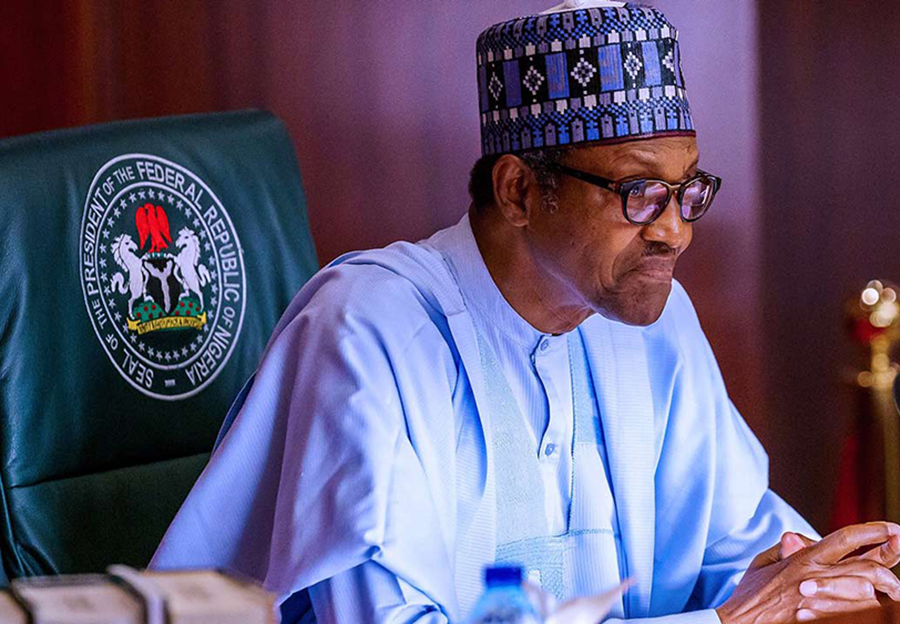
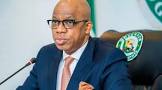
President Muhammadu Buhari has explained how his administration took painful decisions to invest for a prosperous future of all Nigerians.

Speaking on Tuesday in Saudi Arabia at an investment conference organised by the Future Investment Initiative Institute, the Nigerian leader said upon assuming office in 2015, his government understood the importance on inclusive policies for sustainable peace.

“In the past six years, our government took very painful but necessary decisions to invest for a long-term prosperous future knowing very well that this will come with short term pains,” the President was quoted as saying via a statement issued by his media aide, Garba Shehu.

“Nigeria’s population today exceeds 200 million people. Some 70 percent are under 35 years old. When we came into government in 2015, we were quick to realise that long-term peace and stability of our country is dependent on having inclusive and humane policies.”

He said the Federal Government will keep encouraging public and private initiatives that increase investments in health, education, capacity building, youth empowerment, gender equality, poverty eradication, climate change and food security.

This, according to him, will go a long way in reenergizing the global economy in a post COVID-19 era.

Buhari attributed the growing social unrest to inequalities and unfair policies that exclude majority from opportunities for participation, admonishing world leaders and global investors to prioritize on inclusive and humane policies.

Reacting to the theme of the summit, ‘Investing in Humanity’, President Buhari said the Nigerian perspective remains a focus on people oriented development policies, with diversification from oil to more inclusive sectors such as agriculture, ICT and mining;  tackling corruption, insecurity and climate change and introducing Social Investment Programmes.

Buhari commended the organizers of this year’s summit for the foresight to look at “investment”, not only from a profitability and wealth accumulation point of view, but also bringing prosperity to humanity in general.

The humane approach to investment, he said, is the only way to address the global challenges we face, especially in the Covid-19 era.

The President noted that investment in humanity must also take into consideration the effects of debt burden on nations, which had been worsened by the Covid-19 pandemic.

He added, “We cannot invest in humanity without relieving our countries from the crushing effects of the debt burden especially when the COVID-19 pandemic has increased the risk of deepening the debt portfolio of poor countries.

“These nations increasingly allocate more and more resources towards external debt servicing and repayment at the expense of the health, education and other services that contribute to the overall wellbeing of their population.”

Describing the summit as a credible forum for interaction between the public and private sectors, to explore ways of advancing economic growth, development and global prosperity, the President said Nigeria’s diversification efforts continue to yield results, particularly in agriculture.

President Buhari told the gathering of world leaders, global investors and asset managers that the oil sector was already undergoing a reform that would make it more attractive and inclusive.

“Two months ago, I signed the Petroleum Industry Act. The Act will serve as a catalyst to liberalize our petroleum sector. It has introduced a number of incentives such as tax holidays, 100 percent ownership, zero interest loans and easy transfer of funds. In addition, we have highly skilled in-country workforce and a large domestic market.

“In mining, we have also made several opportunities available for investors.  Nigeria is a country rich in minerals from gold, iron ore, tin, zinc, cobalt, lithium, limestone, phosphate, bitumen and many others. We have made the licensing process easier and also made extensive investments in rail and transportation.

“Infrastructure investments represent significant potential for investors in Nigeria.  We have opportunities in seaports, rail, toll roads, real estate, renewable energy and many others. We have created several institutions that are available to co-invest with you in Nigeria.

“We have the Nigeria Sovereign Investment Authority and more recently, I approved the creation of Infrastructure Corporation of Nigeria.  These institutions are run as independent world class institutions to make investments in the country and are available to co-invest with you,” he further explained.

The Nigerian leader urged more interest in infrastructure such as healthcare and education, which “present enormous opportunities for investors in a country our size.”

Continue Reading
Click to comment

Leave a Reply

Your email address will not be published. Required fields are marked *

International

Ghana Repatriates Citizens From South Africa Amid Rising Anti-Foreigner Violence

Published

on

Ghana
Share


The government of Ghana has commenced the repatriation of its citizens from South Africa following weeks of anti-foreigner protests and xenophobic attacks that targeted African migrants living in the country.

The first evacuation flight carrying nearly 300 Ghanaians departed Johannesburg early Wednesday and is expected to arrive in Ghana later in the day. Ghanaian authorities disclosed that about 800 nationals had registered for voluntary repatriation after tensions escalated in several South African communities.

The repatriation exercise follows a wave of hostility against foreign nationals, particularly African immigrants, after videos circulated widely on social media showing confrontations and assaults involving migrants. The incidents reignited fears of xenophobic violence in South Africa, a country that has witnessed recurring anti-immigrant unrest over the years.

Stephen van Neel, head of Immigration and Law Enforcement at South Africa’s Department of Home Affairs, said investigations conducted during the evacuation process revealed that only 10 of the nearly 300 departing Ghanaians possessed valid residency status in the country.

According to him, the majority were found to be undocumented migrants, permit overstayers, or individuals who failed to comply with immigration regulations. He added that South African authorities would enforce appropriate immigration sanctions against affected persons.

Witnesses at Johannesburg’s OR Tambo International Airport reported that men, women, and children arrived in buses before dawn to board the evacuation flight. However, some individuals were unable to travel after encountering documentation-related complications. Officials said those affected could be considered for a second evacuation flight expected later this week.

The anti-foreigner protests reportedly intensified last month after viral videos showed South Africans openly confronting African migrants and questioning their presence in the country. In one widely shared clip, a Ghanaian man was confronted by a group demanding to know why he had relocated to South Africa. Another video showed a man believed to be Ghanaian being physically assaulted.

The developments prompted strong diplomatic reactions from Ghanaian authorities. Ghana’s Foreign Affairs Minister, Samuel Ablakwa, summoned South Africa’s Acting High Commissioner to Ghana, Thando Dalamba, to formally express what he described as Ghana’s “strong concern” over the intimidation and harassment of foreign nationals.

Addressing the evacuees before departure on Wednesday, Ablakwa assured them that adequate arrangements had been made for their reintegration upon arrival in Ghana. He announced a five-point support package prepared by the government to assist returning citizens.

“You are not refugees, you are not some destitute. Ghana is not some war zone where we cannot take care of our own,” the minister told the returnees.

He stated that the evacuation operation demonstrates Ghana’s commitment to safeguarding its citizens abroad and responding swiftly during emergencies affecting nationals overseas.

Nigerians were also among those affected by the renewed xenophobic tensions in South Africa. According to the Nigerian Consulate in Johannesburg, at least two Nigerians were killed during the attacks.

Earlier this month, Nigeria’s Minister of State for Foreign Affairs, Bianca Odumegwu-Ojukwu, disclosed that President Bola Tinubu had directed relevant authorities to arrange evacuation flights for Nigerians willing to return home voluntarily.

Frank Onyekwelu, president of the Nigerian community in South Africa, said more than 130 Nigerians had already registered for repatriation. However, details regarding the proposed evacuation flights have yet to be officially announced.

Nigeria’s Ministry of Foreign Affairs said on Wednesday that further updates concerning the evacuation arrangements would be made public next week.

The latest developments have once again drawn international attention to the recurring issue of xenophobia in South Africa, where frustrations linked to unemployment, crime, and economic hardship are often directed at foreign nationals, particularly migrants from other African countries.

Continue Reading

International

Nigeria Urges South Africa to Act Against Attacks on Nigerians

Published

on

Nigeria and South Africa Flags
Share


The Federal Government of Nigeria has called on South Africa to take firm and immediate action to stop ongoing violence targeting Nigerians and other foreign nationals in the country.

This appeal was made during a meeting in Abuja between Dunoma Ahmed, Permanent Secretary of the Ministry of Foreign Affairs, and Lesoli Machele.

Speaking to journalists, the ministry’s spokesperson, Kimiebi Ebienfa, said the meeting was convened in response to recent xenophobic attacks and protests in parts of South Africa. According to him, some protesters have been calling for foreigners—especially black immigrants—to leave the country.

Ebienfa described circulating videos and reports from South Africa as disturbing, noting that they contradict the long-standing friendly relationship between both nations.

He also revealed that Nigeria’s High Commission in Pretoria and Consulate in Johannesburg are closely monitoring the situation and sending regular updates to the government.

The Nigerian government further expressed concern over the reported deaths of two Nigerians, Amaramiro Emmanuel and Ekpenyong Andrew, allegedly linked to encounters with South African security agencies. Authorities say the circumstances surrounding their deaths have raised serious questions about the conduct of security personnel.

While acknowledging statements by South African officials condemning violence, looting, and extrajudicial actions, Nigeria emphasized the need for these commitments to be backed by concrete action on the ground.

The Federal Government also called for the urgent activation of an existing memorandum of understanding (MoU) between both countries. The agreement is designed to enable early warning systems, improve communication, and help prevent escalation of threats against Nigerians living in South Africa.

Nigeria urged South Africa to take decisive steps to restore confidence among Nigerians residing there and ensure they can live safely and with dignity.

Ebienfa also mentioned that the government is aware of a recent protest by a group of Nigerians at the South African High Commission in Abuja. He appealed for calm and reassured that Nigeria remains committed to protecting diplomatic missions in line with international obligations.

Continue Reading

International

Trump Says Middle East War Could End ‘Very Soon’ as Markets Rally

Published

on

Donald Trump
US President, Donald Trump
Share


United States President Donald Trump has said the ongoing Middle East conflict could end within weeks, expressing confidence that the war may be concluded “very soon.”

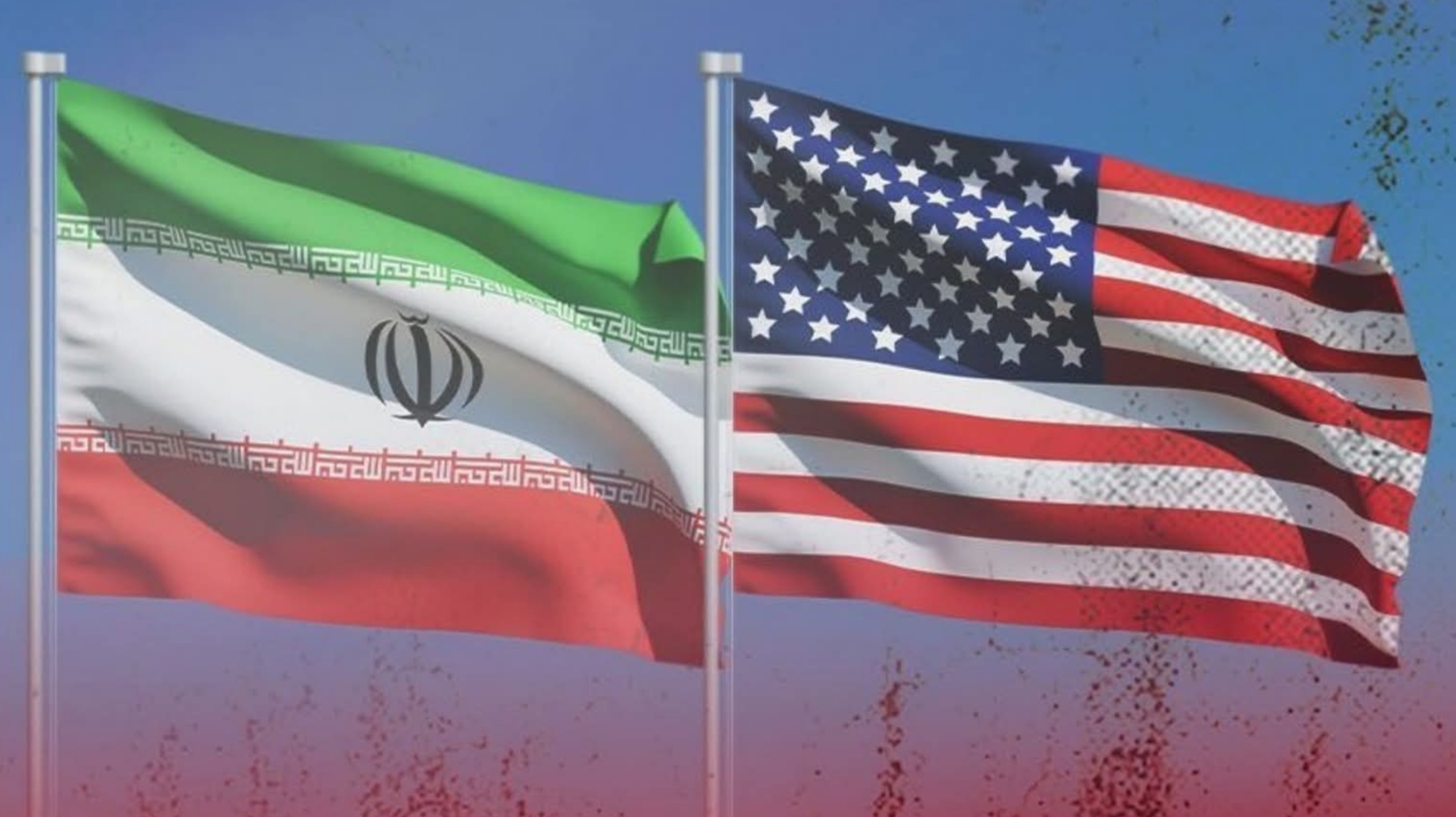
Speaking at the White House, Trump told reporters that U.S. forces could withdraw from Iran within “two weeks, maybe three,” adding, “we’re finishing the job.” He also indicated that a diplomatic agreement could still be reached before any final military outcome.

Earlier, Iranian President Masoud Pezeshkian said Tehran possesses “the necessary will” to end the conflict, provided key conditions are met, including guarantees against future aggression.

The remarks from both leaders raised hopes for a resolution to the month-long crisis, prompting a surge in global financial markets. On Wall Street, the Nasdaq Composite rose 3.8 percent, while the S&P 500 gained nearly three percent.

Asian markets also posted strong gains, with major indices in Seoul, Tokyo, and Taipei rising sharply, alongside advances in Hong Kong, Shanghai, Sydney, Singapore, Manila, and Jakarta.

Despite the optimism, oil markets remained volatile amid concerns over the strategic Strait of Hormuz, through which roughly 20 percent of global oil and gas supplies pass. Trump stated that the United States would not intervene to reopen the strait if it were blocked, suggesting other nations should take responsibility.

Meanwhile, Israeli Prime Minister Benjamin Netanyahu signaled continued military operations, stating that Israel would press on with its campaign against what he described as a “terror regime.”

The economic fallout from the conflict has intensified, with U.S. gasoline prices surpassing $4 per gallon for the first time in four years and inflation pressures rising in Europe. Analysts warn that sustained high oil prices—currently above $100 per barrel—could further strain global economic growth.

Additional tensions emerged following reports that the United Arab Emirates is considering supporting efforts to reopen the Strait of Hormuz, potentially under a United Nations mandate, which could mark a significant escalation.

As diplomatic signals remain mixed, analysts caution that uncertainty surrounding the conflict and global energy supplies is likely to persist in the near term.

Continue Reading