Nigeria’s long-delayed transition from analogue to digital broadcasting received a major boost on Tuesday as key stakeholders renewed their commitment to completing the Digital Switch Over (DSO) programme and adopted a new implementation strategy aimed at accelerating the process.
The renewed commitment emerged during a stakeholders’ meeting convened by the National Broadcasting Commission under the supervision of the Federal Ministry of Information and National Orientation in Abuja.
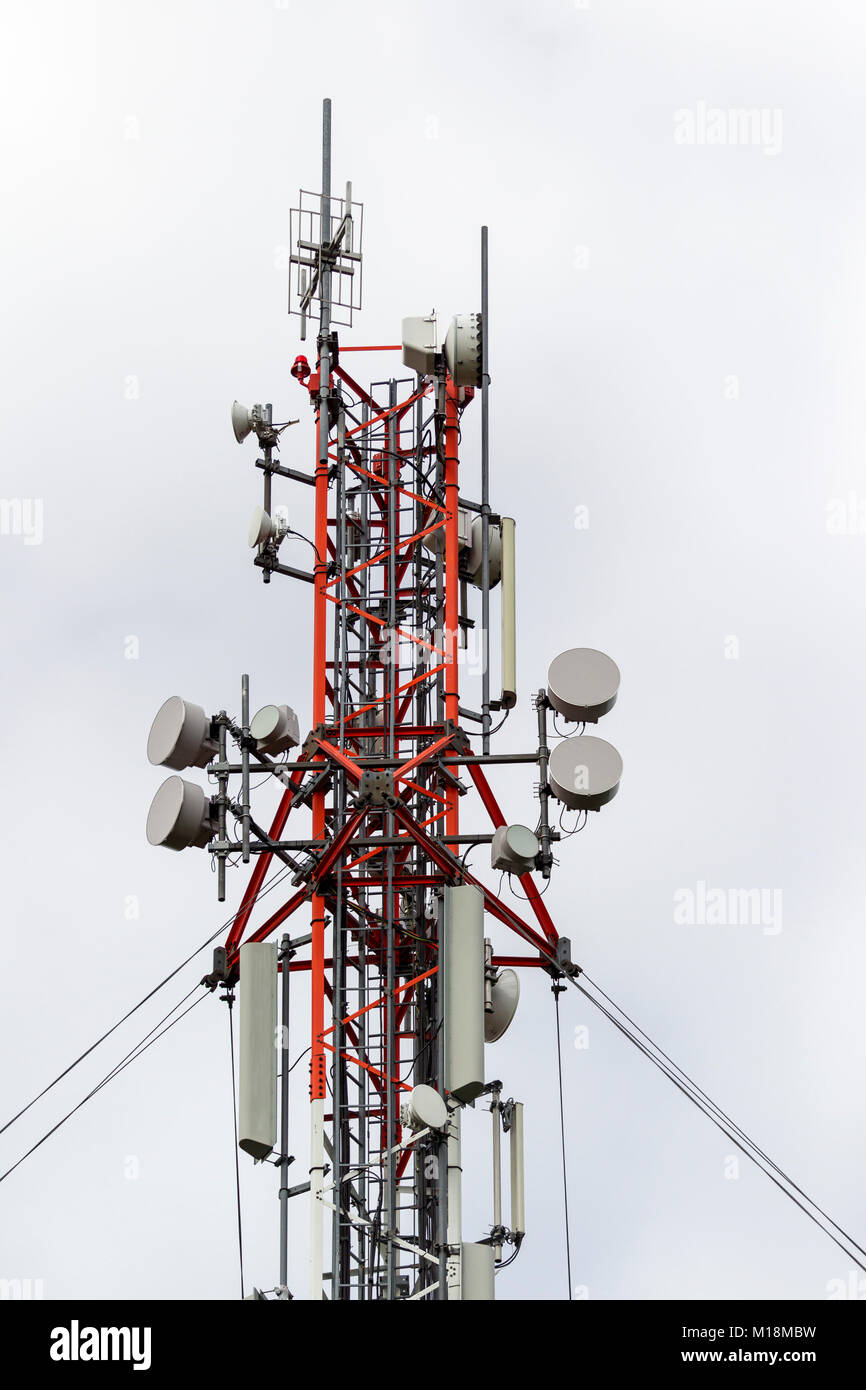
At the meeting, participants agreed to adopt a hybrid digital broadcasting model that combines Digital Terrestrial Television (DTT), Direct-to-Home (DTH) satellite services, and digital application-based delivery platforms. The new framework is expected to broaden access to digital television services and fast-track Nigeria’s migration from analogue broadcasting.
Stakeholders dismissed suggestions that Digital Terrestrial Television should be abandoned, insisting that DTT remains a critical component of Nigeria’s digital broadcasting architecture and must continue to play a central role in the transition process.
They also agreed that the Digital Implementation Team (DigiTeam), which previously coordinated major aspects of the DSO programme, should be reconstituted to provide strategic leadership and drive implementation efforts across the industry.
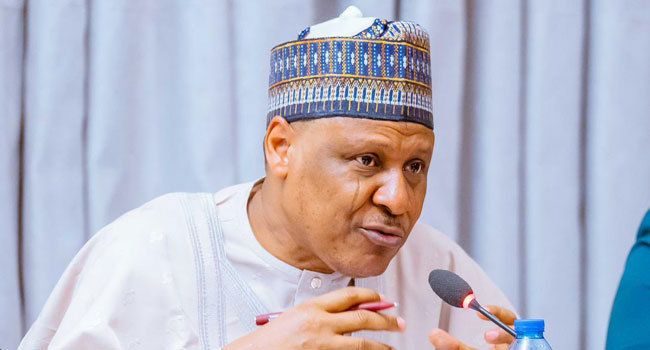
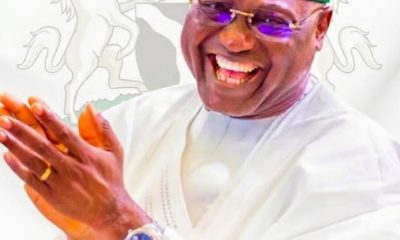
Speaking at the meeting, Nigeria’s Minister of Information and National Orientation, Mohammed Idris, described the gathering as a “family discussion” aimed at resolving outstanding issues that have slowed the implementation of the DSO project over the years.
The minister assured stakeholders that the Federal Government has no hidden agenda regarding the digital migration programme and emphasized that all decisions would be guided by national interest, inclusiveness, and the long-term sustainability of Nigeria’s broadcasting industry.
He acknowledged concerns raised by stakeholders regarding consultations and participation in the process, admitting that broader engagement should have commenced much earlier. Despite differing opinions on implementation strategies, Idris noted that all parties were united on the need for Nigeria to complete its transition to digital broadcasting.
Participants at the meeting reaffirmed that the DSO project remains essential to Nigeria’s economic and technological development. They identified job creation, attraction of new investments, promotion of local content, and support for indigenous manufacturing as some of the key benefits expected from the successful implementation of the programme.
The stakeholders also stressed the importance of regulatory certainty, stronger investor confidence, and closer collaboration among industry players to ensure the long-term sustainability of the broadcasting value chain.
A major issue raised during the discussions was the need to protect investments already made by licensed set-top box manufacturers and other operators participating in the DSO ecosystem. Stakeholders emphasized that any new implementation strategy must safeguard existing investments while creating opportunities for further growth and innovation within the sector.
The meeting ended with a renewed consensus among government officials, broadcasters, technology providers, and industry stakeholders that Nigeria must intensify efforts to finally complete its digital broadcasting transition after years of delays. The adoption of the hybrid model is expected to serve as a key step toward achieving that objective.