Connect with us

International

Nigeria to reopen San Francisco mission in US

Published

on

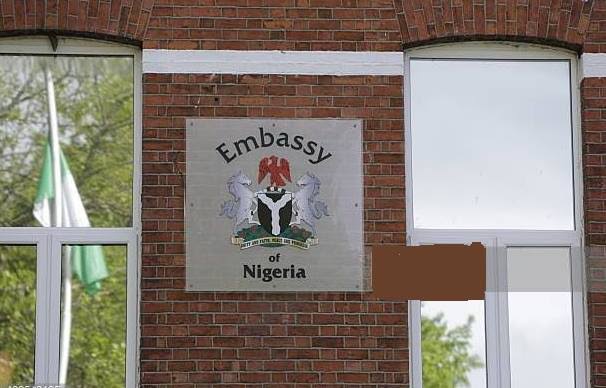
Nigerian Embassy
Nigerian Embassy
Share

Nigeria will soon reopen its Consulate-General in San Francisco to provide consular services for the huge population of Nigerians residing on the West Coast of the US.

The Permanent Secretary, Ministry of Foreign Affairs, Amb. Gabriel Aduda, told the News Agency of Nigeria (NAN) in New York on Monday that the plan to re-open the mission had reached “an advanced stage.“

The Federal Government shut down the San Francisco, California, Consulate in 1989. The five-room, 4,250-square foot property is owned by Nigeria.

Aduda said: “We think rather than having Nigerians residing in California travelling to the East Coast or to the North Coast, they don’t have to travel that far.

“The mission (San Francisco) is very important and in the next few months, before the end of the year, the mission will be running,’’ he said.

The permanent secretary said that the ministry and members of the National Assembly committees on Foreign Affairs had visited all the Nigerian missions in the US in June for on-the-spot assessment.

“We visited the Embassy in Washington, DC, the New York Mission, the Atlanta Mission and we took a trip to San Francisco where we hope to re-open another mission that will service the West Coast,’’ he said.

On the state of facilities in the Nigerian missions, Aduda said there was the need for the facilities to be maintained as some of them had been in existence for so long.

“There is the need for upgrading, there is the need for routine maintenance and on the whole, service-wise, I think we were quite satisfied with what we saw at the missions.

“You will see that there are changes in all the missions in the US, especially Atlanta and New York, when it comes to the services that are being rendered to Nigerians.

“This is because, during the visit, it gave us the opportunity to discuss with the staff of the missions the new direction that the Federal Government is aiming,“ the said.

The permanent secretary said most of the challenges presented by the staff were immigration-related and they were already being addressed.

Aduda said Nigeria Immigration Service (NIS) was totally responsible for producing passports and that the shortage of passport booklets was due to the COVID-19 pandemic.

“COVID-19 slowed down a lot of things and we got a lot of backlog, so the inability to meet up is what created the problem in offering passport service to Nigerians abroad.’’

The permanent secretary assured Nigerians living in the US of improved services on passport issuance.

He said with the level of support the ministry was getting from NIS, the missions would not be talking about shortage of passport booklet by the end of the year.

The permanent secretary said the Nigeria High Commission in London had a backlog of about 19,000 passports but had been cleared in three months.

He said another batch of passport booklets had been received at the Consulate-General of Nigeria in Atlanta adding, a lot is being done and we are hoping that before the end of this year, we will be on a clean slate.

Aduda commended the Consulate-General in New York for providing improved passport services to Nigerians within its jurisdiction and for organising a cultural show to promote Nigeria’s rich heritage.

The permanent secretary said the consulate had adopted cultural diplomacy through the show to sell the good image of Nigeria to the world.

The consulate had on Saturday organised a cultural show, with the theme “Nigeria: Our Community, Cultures and Unity’’, to showcase Nigeria’s festivals, dances, and fashions, among others.

Aduda, who was at the event, said the consulate had promoted Nigeria’s culture in a way that people would able be to buy-in.

He said people would get to know the opportunities, the advantages and rich resources in the country, adding, “we are going to do more of the shows.

“We only showcased two festivals – the Osun-Osogbo and the Argungu Fishing Festivals – out of the diverse cultural festivals. We hope it will actually draw people to exploit the tourism potential of the country.

“If you look at Osun-Osogbo festival, you will notice so many foreigners; if you look at Argungu, you will see many foreigners, if you look at Calabar carnivals at the end of the year, it is the same.

“In fact, there was a time we had about 20 different countries in attendance at the Calabar carnival,  so apart from the economic benefit, you would have raised ambassadors that will go back with good image of the country.’’ (NAN)

Continue Reading
Click to comment

Leave a Reply

Your email address will not be published. Required fields are marked *

International

EU Allocates €2.3m to Combat Cholera Outbreaks in West, Central Africa

Published

on

EU Flag
Share


The European Commission has allocated €2.3 million in emergency humanitarian funding to Nigeria, Cameroon, the Central African Republic (CAR) and Chad to support efforts to contain ongoing cholera outbreaks across the countries.

The funding comes amid a growing cholera burden in Africa, with the World Health Organization (WHO) reporting more than 61,000 cases in the African Region during the first five months of 2026.

Nigeria will receive the largest share of €1.5 million to strengthen the country’s response to the outbreak. The funds will support additional intervention teams, the provision of essential cholera supplies, including treatment kits, and water, sanitation and hygiene interventions.

The EU said the support will also help treat public water points and household water sources, intensify epidemiological surveillance in hard-to-reach areas, strengthen case management and improve risk communication and community sensitisation.

Cameroon will receive €100,000 to support outbreak containment and case management. The funding will provide additional humanitarian personnel, essential medicines, cholera treatment units and oral rehydration points in communities most affected by the outbreak.

In the Central African Republic, €500,000 will be used to scale up cholera case management and vaccination, while strengthening water, sanitation and hygiene interventions. The funds will also support risk communication, community engagement, surveillance, case detection and dignified and safe burials.

Chad will receive €200,000 to help break the chain of cholera transmission through improved access to safe water, sanitation and hygiene, as well as community support for surveillance and case management.

The EU Commissioner for Preparedness and Crisis Management, Hadja Lahbib, said cholera remains a preventable and treatable disease but continues to threaten lives where access to safe water and healthcare is limited.

“Cholera is preventable and treatable. Yet it still threatens lives when people lack something as basic as safe water and healthcare,” Lahbib said.

She added that the emergency funding would enable humanitarian partners to respond quickly, contain outbreaks and protect communities at greatest risk.

Cholera is an acute bacterial infection caused by Vibrio cholerae, which is commonly transmitted through contaminated food or water. Severe cases can result in rapid dehydration and require urgent medical treatment.

The latest EU intervention is aimed at strengthening public health responses, preventing further transmission and protecting vulnerable communities across the four affected countries.

Continue Reading

International

Nigeria, Benin Deepen Defence Cooperation to Combat Cross-Border Security Threats

Published

on

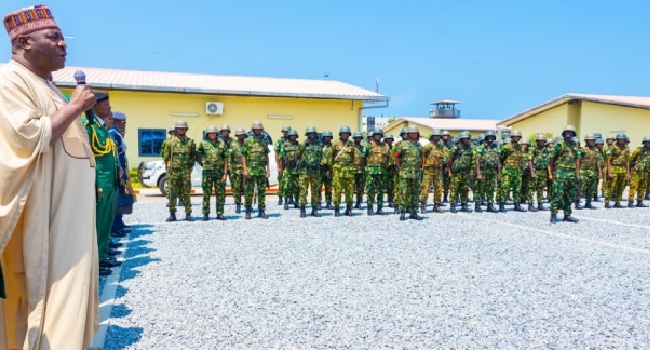
General Musa addressing troops Musa inspects Nigerian Army troops deployed in Togbin, Cotonou, on the Peace Support Mission in the Republic of Benin under Operation ATILEYIN ALAFIA II (Photo by Office of Honourable Minister of Defence)
Share


Nigeria and the Republic of Benin have agreed to strengthen their bilateral defence cooperation and deepen joint efforts to tackle cross-border security threats, terrorism, piracy and other forms of transnational crime across West Africa.

The agreement followed a three-day working visit to Cotonou by Nigeria’s Minister of Defence, General Christopher Musa (Rtd.), at the invitation of his Beninese counterpart, Gildas Agonkan.

During the high-level engagements, both countries discussed measures to harmonise regional security frameworks, enhance intelligence sharing and reinforce military collaboration to safeguard democratic governance, secure shared land borders and strengthen security in the Gulf of Guinea against piracy and maritime crime.

A major outcome of the discussions was the decision to establish seamless, real-time intelligence fusion mechanisms that will enable the armed forces of both countries to track, monitor and neutralise transnational criminal networks and insurgent groups before they carry out attacks.

General Musa reaffirmed Nigeria’s commitment to a zero-tolerance policy against terrorism, stressing the need for closer military cooperation to deny violent extremist groups safe havens within the shared border communities. Nigeria also offered Benin an expanded pursuit range for security personnel operating along the borders to help prevent insurgent infiltration, illegal trafficking and other cross-border crimes.

As part of the visit, the Defence Minister inspected Nigerian Army troops deployed in Togbin, Cotonou, under Operation ATILEYIN ALAFIA II, a Peace Support Mission in the Republic of Benin.

Addressing the troops, General Musa commended their dedication and assured them of the Federal Government’s continued support.

“We are going to partner with the troops of the Republic of Benin to ensure that we stop all those bandits and criminals that are killing people in our countries, so that we can deal with them,” he said.

He explained that one of the key objectives of his visit was to engage with Benin’s Defence Minister to develop coordinated operational strategies aimed at preventing criminal elements from exploiting the porous borders between both countries.

General Musa also conveyed President Bola Ahmed Tinubu’s commitment to improving the welfare of members of the Armed Forces. He assured the troops that the Federal Government was taking concrete steps to provide better welfare packages, equipment and other necessary support to enable them to effectively carry out their duties.

The Nigerian delegation also visited the Centre for Post-Conflict Demining and Explosive Ordnance Disposal Operations, as well as the Glo-Djigbe Industrial Zone. The visits were aimed at promoting local capacity building and supporting the Defence Ministry’s Intelligence-Driven and Technology-Enabled Defence strategy.

Both countries also exchanged ideas on strengthening industrial development, economic cooperation and regional integration in line with the Economic Community of West African States (ECOWAS) protocols and the African Continental Free Trade Area (AfCFTA).

General Musa further held diplomatic consultations with Nigeria’s Ambassador to the Republic of Benin, Mrs. Mopelola Ibrahim, where he reaffirmed President Tinubu’s commitment to military welfare, regional peace and enhanced security cooperation among neighbouring countries.

The Defence Minister has since concluded his official visit and returned to Abuja after reaffirming Nigeria’s commitment to closer defence collaboration with the Republic of Benin in addressing emerging security challenges across the West African sub-region.


Continue Reading

International

US-Iran Tensions Push Global Oil Prices to One-Month High

Published

on

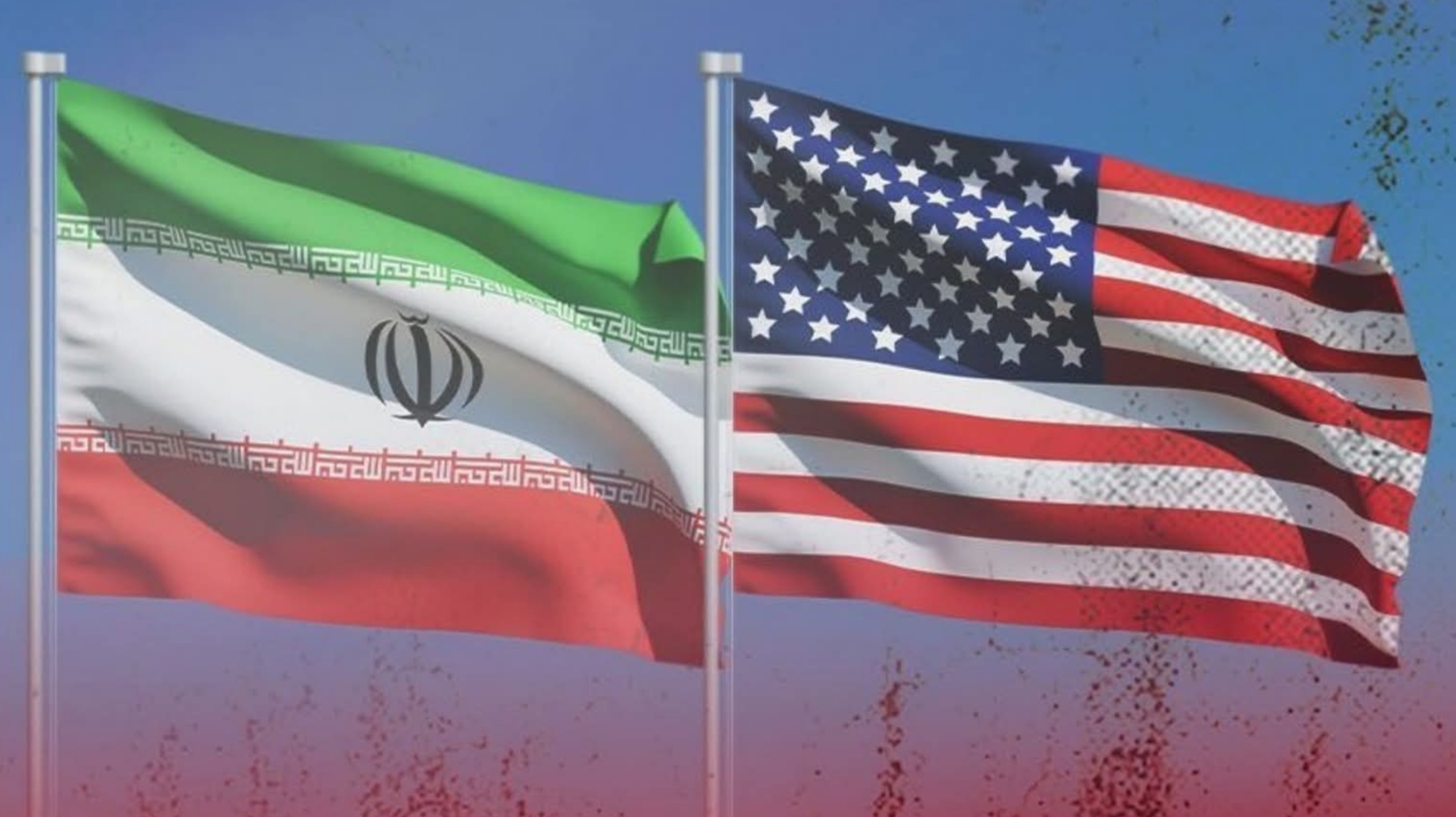
Iran and US Flags
Share


Global oil prices climbed sharply on Tuesday, reaching their highest level in one month, as renewed military tensions between the United States and Iran raised fresh concerns over the security of oil supplies through the Strait of Hormuz.

Brent crude, the international benchmark for oil prices, rose by 4.19 percent to $86.79 per barrel, its highest level since June 12. Meanwhile, the US West Texas Intermediate (WTI) crude gained 3.16 percent to $80.61 per barrel.

The increase follows reports that the United States reimposed a naval blockade on Iran, while renewed exchanges between Washington and Tehran heightened fears of possible disruptions to global energy supplies.

On July 12, Iran announced it had closed the Strait of Hormuz after its naval forces fired a cruise missile at a vessel it alleged was sailing through an unauthorized route. The Strait of Hormuz is one of the world’s most important oil shipping routes, with a significant share of global crude exports passing through it daily.

The latest development marks a sharp reversal from just one month ago, when crude oil prices fell to around $82 per barrel after the United States, Israel and Iran reached an agreement to end hostilities across the Middle East, including Lebanon, and reopen the vital waterway.

In Nigeria, the earlier decline in global crude oil prices sparked concerns over domestic fuel pricing.

The Federal Competition and Consumer Protection Commission (FCCPC) had accused petroleum marketers of failing to fully pass the benefits of lower international oil prices to consumers, arguing that reductions in pump prices were not proportional to the decline in crude oil prices.

Similarly, Minister of Finance and Coordinating Minister of the Economy, Taiwo Oyedele, disclosed that the Federal Government was engaging oil marketers and regulators to ensure that changes in global crude oil prices are more transparently reflected in the prices Nigerians pay for petrol.

On July 10, the Federal Government also convened a meeting with key stakeholders in the oil and gas sector to discuss fair and transparent pricing of petroleum products across the country.

With fresh geopolitical tensions threatening global oil supplies, analysts say international crude prices could remain volatile in the coming days, with possible implications for fuel prices worldwide, including in Nigeria.

Continue Reading