Connect with us

Gender

NGO calls for conducive environment for women participation in politics

Published

on

NGO calls for conducive environment for women participation in politics
Share

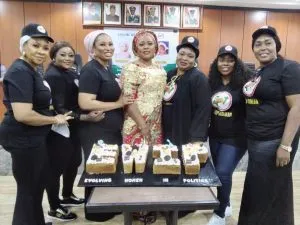
A Non-Governmental Organisation (NGO),Evolving Women In Politics (EWIP), has called for adequate involvement and conducive environment for women participation in politics.

The Vice President of the organisation Abuja branch, Mrs Raliat Abdulsalam, made the call in Abuja at the first ‘Meet and Greet’ conference organised by the group.

The News Agency of Nigeria (NAN) reports that EWIP is an organisation that seeks to mitigate violence against women during elections and encourage participation of women in politics in the country.

Abdulsalam said that women should register and collect their Permanent Voter Cards (PVCs) and take advantage of their numerical strength, education and global democratic trend to find a space in politics.

“Get your PVC please, educate all around you, women, children and even men alike because we cannot be here without the men behind us and we must put intelligent men to support us.

“So, educate all around you to register, get your PVC so that your vote will count; If I want to run now, how do I tell myself that EWIP is behind me when 80 or 90 per cent of members have no voters card.

“Lets make a change, we don’t have to carry placards, get your PVC, your voices can be heard without shouting, just your appearance is your voice, standing on the line is your voice and supporting someone is your voice,” she said.


She called on the National Assembly to bring to fore laws that guarantee women political participation in Nigeria and Laws that protect the dignity of women from all forms of violence before, during and after the elections.

However, the vice president maintained that the participation of more women in the running of affairs of the nation would encourage sound decision-making and national development of the country.

Mrs Hadiza Kolo, the coordinator of the group, said that the organisation was also aimed at sensitising women on the need to participate in politics and the process of voting during elections.

Kolo called for the implementation of the 35 per cent affirmation for women as contained in the Beijing declaration to encourage women participation in politics.

“Women in politics work across party lines, even in the most politically combative environments, and champion issues such as gender equality and laws that strengthen communities and generations to come.

“An increased number of skilled and knowledgeable women can promote gender equality in leadership roles and decision making in every sector of the economy, and at all levels with adequate support.

“We want political parties to support more women in politics to take up leadership roles to empower them to become an active citizen,” she said.

On her part, Mrs Oluwatoyin George-Tailor, a member of the organisation called on women to participate in politics and not to be discouraged by the challenges associated with elections in the country.

George-Tailor said that every woman needed to be trained to become prospective leaders in the society adding that massive advocacy and sensitisation could positively influence women participation in politics.

“We are calling on our government, from the national level to the local level to support women in becoming an active part of governance and development of our nation.

“This can also increase the numbers of articulate women who are capable of speaking out, raising women’s demands, and participating in promoting women as agents of change in our present day Nigeria,” she said.

According to her, it is important to encourage women to support each other in order to individually and collectively work together to achieve gender equality in leadership roles.

She, however, advised government at all levels and organisations to provide and support women with the platforms to voice their opinions and ideas for women’s full and effective participation in leadership roles. (NAN)

Continue Reading
Click to comment

Leave a Reply

Your email address will not be published. Required fields are marked *

Gender

Bamidele: Nigeria’s Full Potential Depends on Meaningful Gender Inclusion

Published

on

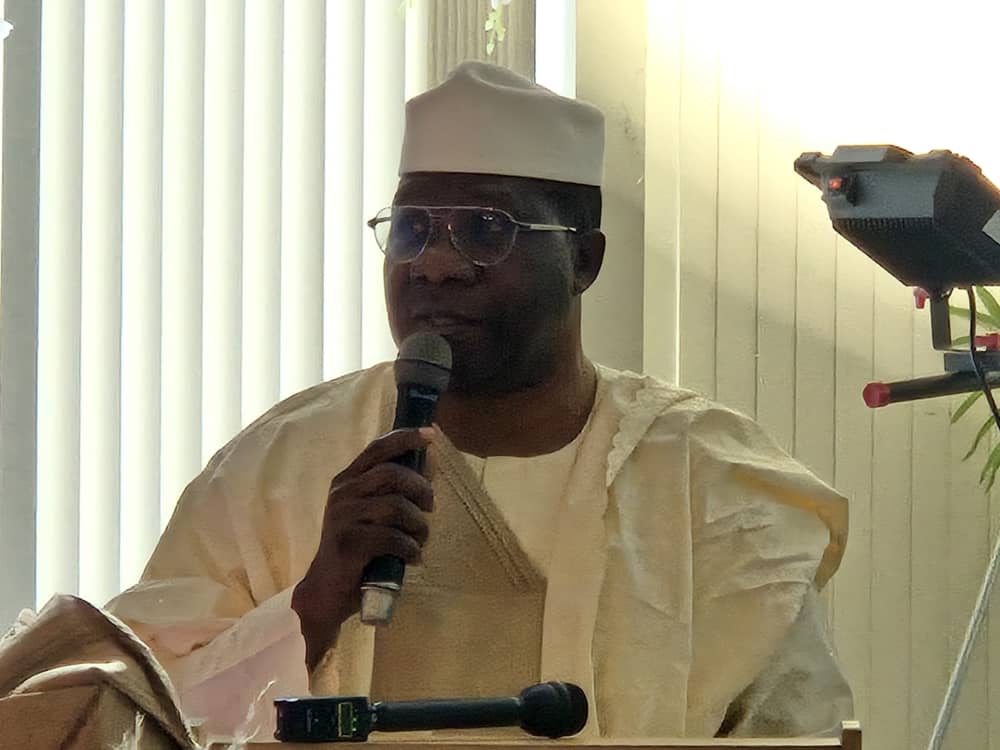
Senate Leader, Senator Michael Opeyemi Bamidele during the event in New York on Thursday, 24 September 2026
Share


The Leader of the Senate, Senator Opeyemi Bamidele, has called for greater and more meaningful inclusion of women in Nigeria’s governance, diplomacy, economic development and public leadership, stressing that gender inclusion should be seen as a strategic investment in the country’s future rather than an act of favour.

Bamidele made the submission on Thursday while chairing the presentation of the book, “The Female Diplomat: Navigating Power, Ambition and Identity,” held at Nigeria House in New York, United States. He said no nation could fully realise its potential when a significant segment of its population was unable to contribute meaningfully to national development.

According to the Senate Leader, Nigeria’s democracy would be strengthened when citizens see themselves adequately represented in institutions established to serve them. He noted that inclusion should not be limited to the physical presence of women in government institutions but must provide them with genuine opportunities to participate in decision-making, exercise responsibility and contribute to the formulation and implementation of public policies.

“Gender inclusion is not an act of favour. It is a strategic investment in Nigeria’s human capital and institutional strength. No nation can realise its full potential if a significant proportion of its population is unable to contribute fully to governance, diplomacy, economic development and public leadership,” Bamidele said.

He further stated that Nigeria’s foreign relations would be enriched when the country was represented by competent professionals whose knowledge, judgement and experience reflected the diversity and breadth of its national talent.

The Senate Leader said the administration of President Bola Ahmed Tinubu had, through the Renewed Hope Agenda, recognised the importance of harnessing the abilities and contributions of all Nigerians, particularly women and young people, in the political, economic and national development of the country.

Bamidele stressed, however, that meaningful inclusion required more than policy statements or appointments, arguing that it must translate into opportunities for qualified women to participate actively in leadership and decision-making processes.

He also highlighted the role of the National Assembly in advancing gender inclusion through legislation, representation and oversight. According to him, parliament has a responsibility to support institutions that are fair, accessible and responsive while creating an environment where competence is recognised, opportunities are broadened and qualified women can contribute to leadership.

“This is not a responsibility for the government alone. Political institutions, the diplomatic service, the private sector, academic institutions and civil society all have roles to play,” he said.

Bamidele added that achieving sustainable progress would require deliberate policies, supportive institutions and a collective commitment to recognising and developing talent regardless of gender.

The book presentation attracted prominent Nigerian and international figures, including the Deputy Secretary-General of the United Nations, Ms. Amina Mohammed; Minister of Foreign Affairs, Ambassador Bianca Odumegwu-Ojukwu; Nigeria’s Permanent Representative to the United Nations, Ambassador Jimoh Ibrahim; Nigeria’s Ambassador to the United States, Ambassador Kayode Are; and the President/CEO of Montefiore Einstein.

Apart from chairing the book presentation, Bamidele also participated in the Nigeria Investment Forum 2026, which brought together government representatives, international investors, development finance institutions, multinational corporations, business leaders and strategic partners to explore investment opportunities across Nigeria.

He said the engagements provided an important platform for strengthening Nigeria’s international partnerships while promoting conversations around inclusive development, leadership and the country’s continued engagement with the global community.

Continue Reading

Gender

INEC, NGO seek increased women’s participation in electoral process

Published

on

African women
African women
Share

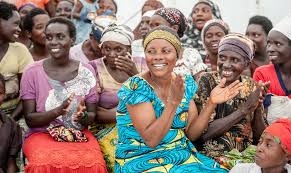
The SOS Children’s Villages Nigeria in collaboration with the European Union Support to Democratic Governance in Nigeria has called for increased women’s participation in electoral process.

The call was made at the training for women and other marginalised groups on peace building, mitigation, human rights, gender and participation, on Monday, in Ibadan.

The guest speaker, Dr Esther Sanya, the representative of the National Council for Women Societies (NCWS), Oyo State chapter, said that there had been growing recognition of untapped capacity and talents of women in political leadership.

Sanya noted that women’s engagement in politics would help to advance gender equality.

“Research indicates that whether a legislator is a male or female has a distinct impact on his or her policy priorities.

“There is also strong evidence that as more women are elected to office, there is a corollary increase in policy making that emphasises quality of life and reflects the priorities of families, women, ethic and racial minorities,” she said.

Also speaking, Mr Lateef Ariori, the Director, Child Welfare Oyo State Ministry of Women Affairs and Social inclusion, said that women should be given substantial consideration in the design and execution of political participation process.

Ariori charged women organisations in the state to work toward promoting gender equality among candidates, election officials, observers and other electoral participants.

“Women have a responsibility to oversee the electoral process because gender equality and true democracy fundamentally depend on women’s political engagement,” Ariori said.

Earlier, Mrs Catherine Ogwu, the Gender Desk Officer, Independent National Electoral Commission (INEC), Oyo state, urged the women not to sell their votes or be intimidated during the forthcoming general elections.

She noted that the current Electoral Act and new technology from INEC would make 2023 general elections the most free and inclusive elections in the history of Nigeria.

The News Agency of Nigeria (NAN) reports that the training featured lectures and presentations from different women groups in the state.


(NAN)


Continue Reading

Business & Economy

Afreximbank’s Kanayo Awani makes Nigeria Women Annual’s “100 Leading Women” list

Published

on

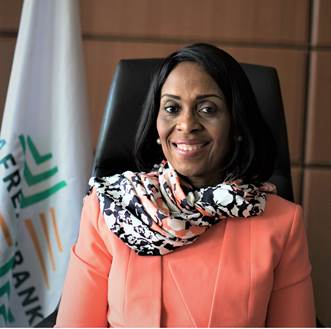
Mrs. Kanayo Awani - Managing Director of Afreximbank’s Intra-African Trade Initiative Division
Share

The Managing Director of Afreximbank’s Intra-African Trade Initiative Division, Mrs. Kanayo Awani, has been named among the 100 outstanding women leaders in Nigeria, according to the list published in the 2022 edition of Nigeria Women Annual: 100 Leading Women.

Mrs. Awani’s listing acknowledges her distinguished career and contributions to the development of society.

As Managing Director, Mrs. Awani currently leads the Bank’s efforts in implementing its intra-African trade and industrialisation strategies.

A statement by the bank said she successfully led Afreximbank’s engagement in support of the establishment and implementation of the African Continental Free Trade Area (AfCFTA) and was the arrowhead for the introduction and organization of the biennial Intra-African Trade Fair (IATF), which has delivered trade and investment deals valued at over US$70 billion.

She previously led Afreximbank’s Trade Finance and Branches Department from 2009 to 2016, growing it into the Bank’s most profitable department which accounted for over 80 percent of its loan book.

Mrs. Awani is also the Chairperson of the Africa Chapter of Factors Chain International (FCI), a global factoring association.

“The Nigeria Women Annual: 100 Leading Women” is the premier qualitative profiling of phenomenal women who have contributed to the development of Nigeria and the world.

A gender-specific biographical compendium, it responds to existing gender gaps in Nigeria’s biographical documentation and leadership and, in 2022, focused on the most inspirational and influential women whose work contributed to shaping Nigeria’s collective history during the year.

This year’s list includes technology experts, politicians, teachers, activists, development practitioners, C-Suite corporate leaders, and other notable women.

Continue Reading