
News
Ekiti Local Content Bureau Inspects Ongoing Projects, Demands Compliance From Contractors

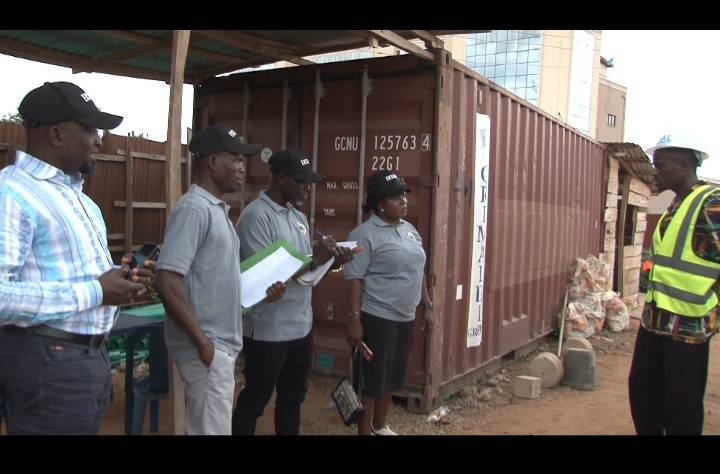
The Ekiti State Bureau of Local Content (EKSBOLC) has intensified its monitoring activities across the state, inspecting several ongoing government projects to ensure that contractors comply with the state’s local content laws and prioritise the use of local manpower, businesses, goods and services.
The inspection team, led by the Acting Director-General of the Bureau, Mr. Tope Fasoyin, visited a number of major project sites across Ado-Ekiti, including the ongoing remodelling of Fajuyi Park being handled by Rutnael Project Limited.
Other projects inspected were the ongoing construction of an 80-bed hospital at the Ekiti State University Teaching Hospital (EKSUTH), the construction of judges’ offices and courtrooms at the Ekiti State High Court, and the construction of an ultra-modern market at Sri Lankan, all being handled by Axial Nigeria Limited.
The team also inspected the ongoing construction of the Ministry of Innovation building at the State Secretariat, which is being handled by…………
Speaking to contractors and project managers during the inspection, Fasoyin explained that the monitoring exercise was part of the Bureau’s mandate to ensure that government projects and other economic activities in Ekiti provide meaningful opportunities for residents and businesses in the state.
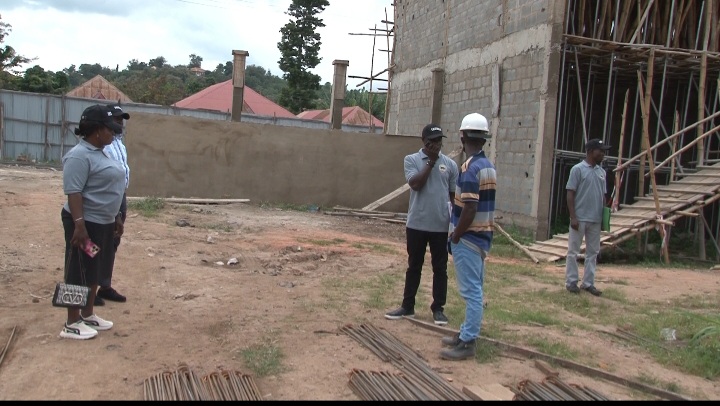
He said the Ekiti State Bureau of Local Content was established to promote and enforce the use of local content in projects, procurement and economic activities, stressing that contractors must give first consideration to qualified Ekiti indigenes, businesses, goods, services and skills before sourcing them from outside the state.
According to him, the policy is consistent with the shared prosperity agenda of the administration of Governor Biodun Oyebanji, which places emphasis on creating economic opportunities for the people and strengthening the local economy.
Fasoyin noted that one of the core responsibilities of the Bureau was to ensure that contractors working on projects in the state employ qualified Ekiti indigenes and engage local businesses where the required capacity and expertise were available.
He added that the Bureau was also committed to building the capacity of Ekiti-based businesses to enable them to compete effectively for government and private-sector contracts.
The Acting Director-General stressed that strict compliance with the local content policy would help reduce capital flight and ensure that funds expended on projects remain within the state and circulate among local businesses, workers and service providers.
He said the multiplier effect would include increased employment opportunities, improved business activities, greater empowerment of residents and an expansion of the state’s internally generated revenue.
Fasoyin urged contractors handling government and private projects across Ekiti State to familiarise themselves with the provisions of the local content law and ensure full compliance.
He specifically called on contractors who had not registered with the Bureau to do so without delay, noting that registration was part of the requirements for contractors operating within the state.
The Acting DG further assured contractors and other stakeholders that the Bureau would continue to engage with them, provide necessary guidance and monitor compliance in order to achieve the objectives of the state’s local content policy.
He said the Bureau would not only focus on enforcement but would also work with contractors and local businesses to identify opportunities for collaboration, capacity development and economic growth.
Fasoyin maintained that effective implementation of the local content policy would strengthen Ekiti’s economy by ensuring that residents are not merely spectators in the development projects taking place across the state, but active participants and beneficiaries.
He therefore appealed to all stakeholders, particularly contractors handling major projects, to support the government’s efforts by employing local workers, patronising qualified local suppliers and service providers, and complying fully with the requirements of the Ekiti State local content framework.
The inspection exercise, he added, would continue across project sites in the state as part of efforts by the Bureau to ensure transparency, compliance and maximum economic benefits Ekiti indigenes from projects being executed in Ekiti.
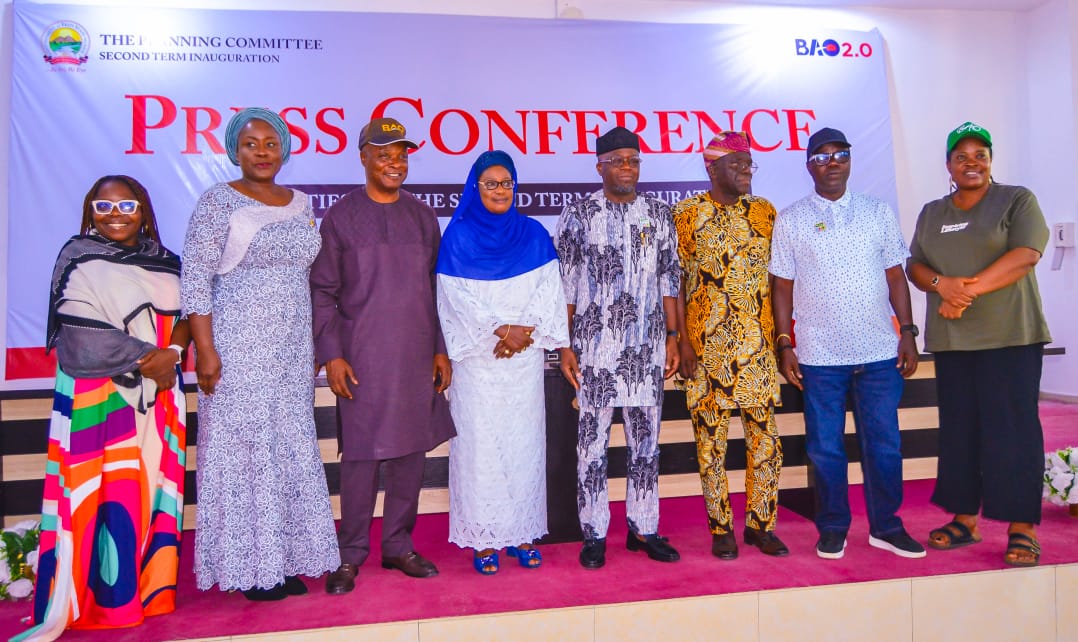
As preparations Governor Biodun Oyebanji’s second term inauguration commenced with the official release of programme of activities, the Planning Committee has highlighted remarkable achievements of the administration in the last four years.
Reflecting on the achievements of the administration since it assumed office in October 2022, the chairman of the Second term inauguration committee, Mr Oyeniyi Adebayo, who spoke at a press conference in Ado Ekiti on Thursday, said Ekiti people has a lot to look out for as the second term administration would usher in greater development and at a faster pace.
Adebayo who highlighted activities marking the inauguration, said the programme will be kickstarted with a Jumat Thanksgiving service at the Central Mosque, Ado Ekiti on Friday, October 2nd, while the inauguration ceremony would hold on October 16th.
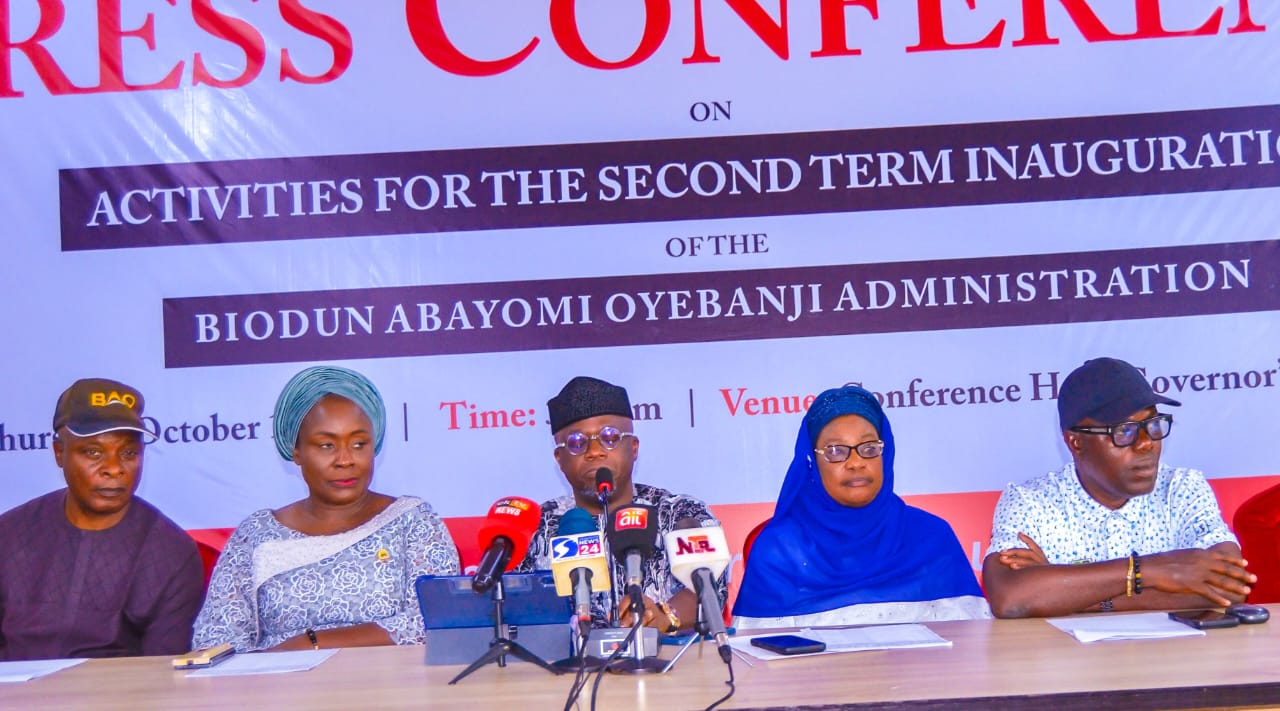
Highlighting the infrastructure development of the administration, Adebayor, who is also the Chief of Staff to the Governor, noted that the completion of the Ekiti Agro-Allied International Cargo Airport, which commenced commercial flight operations in late 2025 has created opportunities for investment, tourism, trade, commerce and agricultural exports which has invariably boosted the economy of the state.
He also disclosed that the administration had completed and commissioned over 500 kilometres of inter-city and rural roads, with several other road projects currently at various stages of completion.
According to him, the administration had also provided electricity to parts of Aiyekire, Ekiti East Local Government Areas and the Ikogosi tourism belt, areas which, he said, had experienced prolonged lack of public electricity supply long before the advent of this administration.
On healthcare and education, the committee chairman said the administration had, as of 2026, renovated over 110 primary healthcare centres and all the general hospitals in the state, equipping them with modern facilities.
He added that the government had made significant investments in education, including the comprehensive renovation of 203 secondary schools, including three special schools and 950 primary schools across the state.
The committee disclosed further that the administration had also established nine ICT laboratories in selected secondary schools and technical colleges and constructed new primary schools under the Suburb Model School Project adding that Governor Oyebanji’s administration had continued to support students by paying WAEC examination fees to the tune of Two Billion, one hundred and fifty-eight million Naira (N2,158,000,000) to sixty-nine thousand (69,000) students as well as procurement of free JAMB forms to 12,400 students in four years.
While highlighting the administration’s youth-focused agricultural initiatives, the committee said over 5,000 youths have been engaged in commercial agriculture through the Bring Back the Youth into Agriculture initiative, with participants reportedly realising more than ₦1 billion in profits over the past one and a half years.
The administration, he said, had also disbursed N1.1 billion to 2,777 beneficiaries as credit and operational grants credit, N400million loan disbursed to 443 micro, small and medium-scale enterprises, provided ₦450 million in grants to 10 cooperatives involved in agro-processing and production, and facilitated free Corporate Affairs Commission registration for about 5,400 MSMEs.
Praising the Oyebanji administration on Fiscal responsibility, the chairman also drew attention to the robust fiscal management in the state, saying Ekiti had maintained a strong record of fiscal transparency and responsibility for over two years. He maintained that the state had been ranked first for nine consecutive quarters, from the second quarter of 2024 to the second quarter of 2026, in the State Fiscal Transparency League reports published by BudgIT Foundation.
Projecting into the second term tenure, the committee chairman said the theme of the inauguration, “The Good Work Continues,” reflected the administration’s intention to consolidate existing programmes while introducing further interventions aimed at strengthening the state’s economy and improving the welfare of citizens.
He said recent stakeholder engagements across the three senatorial districts, identified healthcare, electricity, roads, water supply, agriculture, human capital development and economic opportunities as areas requiring sustained consideration stressing that the major target is the expansion of rural road development, with a target of delivering up to 1,500 kilometres of roads through various interventions, including collaboration with development partners.
The chairman used the opportunity to commend the media for the symbiotic relationship with government as he described them as an important bridge between government and the people. He urged journalists to continue to provide accurate and professional coverage of the state’s activities as well as help citizens understand government policies, programmes and projects while providing broad coverage of the inauguration.
He assured the people that the administration would continue to engage stakeholders, improve service delivery and work towards ensuring that the impact of its shared prosperity agenda was felt across the state.
“As we begin preparations for the second term, the emphasis is on continuity and further development. The Governor has stated that the next phase will focus particularly on interventions that add value to the economy, improve productivity and respond to the needs and aspirations of our people. Recent engagements with stakeholders, including the just concluded Budget Tour of the three Senatorial Districts of the State have identified healthcare, electricity, roads, water supply, agriculture, human capital development and economic opportunities as areas requiring sustained attention.
“The Governor has also stated that this consultative approach, which has been a hallmark of his administration during the first term, will continue through the second term. The Administration has also announced plans to expand rural road development, with a target of delivering up to 1,500 kilometres of roads through various interventions, including collaboration with development partners.” the committee chairman said.
“Gentlemen of the Press, I want to specially acknowledge your role in this process. The media is an important bridge between government and the people. Your responsibility goes beyond reporting events. It includes informing the public accurately and helping citizens understand government policies, programmes and projects.
In attendance at the news conference were other members of the planning committee. They include the Commissioner for Information, Chief Taiwo Olatunbosun, Secretary to the State Government, Prof Habibat Adubiaro, Head of Service, Dr Folakemi Olomojobi; Chairman APC, Mr Sola Elesin, Chairman ALGON, Hon Segun Ojo; Special Adviser (Media) to the Governor, Mr Yinka Oyebode, Director General , Bureau of Comminity Comminications, Mrs Mary Oso Omotoso; and Special Assistant on Political Matters, Mrs Toyin Adepoju, among other.
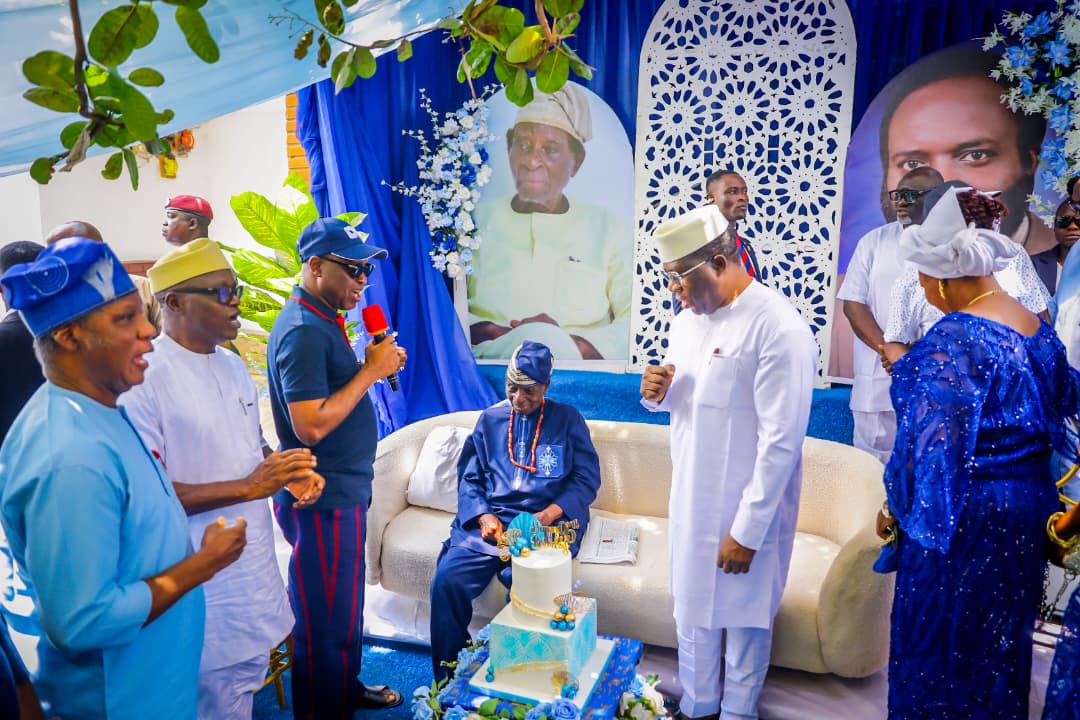
Ekiti State Governor, Mr. Biodun Oyebanji, and Senate Leader, Senator Opeyemi Bamidele, have described the Chairman of Committee for the creation of Ekiti State, Chief Deji Fasuan as a distinguished statesman whose contributions to the creation of the State will remain indelible, assuring that the state will forever be grateful for his commitment to its actualization
Chief Fasuan clocked 95, on Thursday, which coincided with the 30th anniversary of the Stete, chaired the committee responsible for the creation of Ekiti State, with Governor Oyebanji serving as the committee secretary.
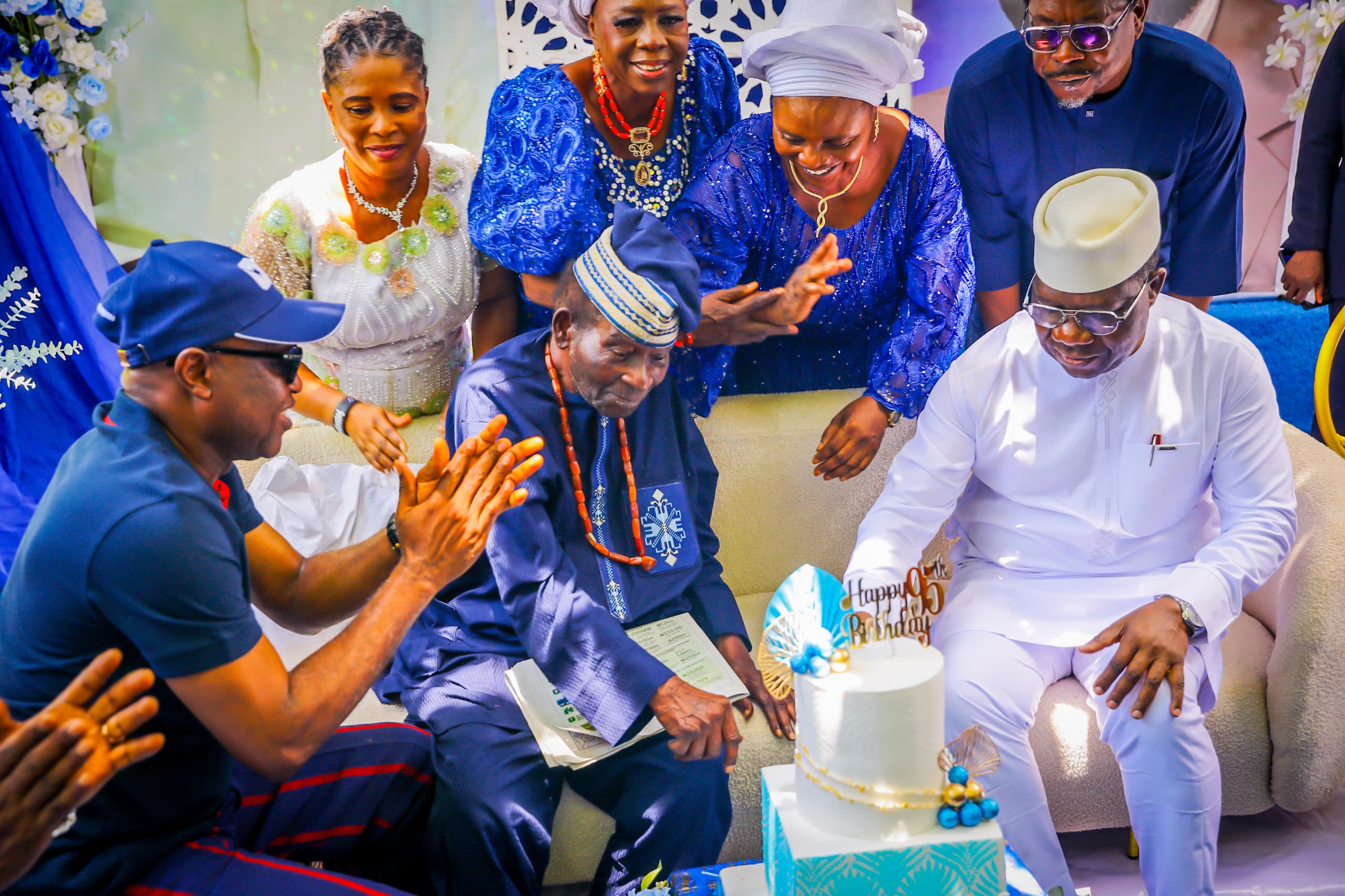
Governor Oyebanji, accompanied by the Senate Leader, Senator Opeyemi Bamidele, House of Representative member, Hon. Ojuawo and members of the state Executive council, Prof Bolaji Aluko and Chief Taiwo Olatunbosun, noted the significant role played by the elder statesman in the struggle for Ekiti State. The Governor noted that his leadership and dedication helped advance the aspiration of the people for a separate state.
He described the nonagenarian as a symbol of patriotism, selflessness and service, whose contribution to the political and administrative history of Ekiti state continue to provide a reference point for present and future generation.
The governor noted that the creation of Ekiti state represents the fulfillment of a long standing aspiration of its people and that the efforts of those who championed the cause, including Chief Deji Fasuan deserved lasting recognition and appreciation.
The Governor said, “thirty years ago, this house was agog because that was the day Ekiti State was created. On behalf of all Ekiti indigene at home and the diaspora, we say that your struggle, sweat and sacrifice has given the platform to serve Ekiti people, we say thank you.
“Throughout the struggle, one thing I learnt from Daddy was his integrity, commitment to excellence, courage, perseverance and sacrifice. Daddy is a tough person but through the process of the struggle, he took insults and was not annoyed for one day.
“I am happy you have seen the transformation in Ekiti in the last 30 years, yes, we have not reach the promise land but we have left Egypt, there is no doubt about that, individually we are developing, collectively we are developing and I am happy that by the grace of God and the benevolent of Ekiti people, I am in the saddle today”.
Also in his remarks, the Senate Leader, Senator Opeyemi Bamidele also celebrated the former committee chairman for his commitment to the development of Ekiti State, describing his 95th birthday as an opportunity to reflect on the founding figures whose efforts shaped state history.
The Senate Leader, who noted that Ekiti State had continued to make steady progress, maintained that the state had recorded remarkable improvement in various areas of development in recent years.
While explaining that Chief Deji Fasuan’s greatest joy shoud be the fact that the secretary of the State Creation Committee, Governor Oyebanji, is today the Governor of Ekiti State, Senator Bamidele said the Governor is implementing the ideals and aspiration they shared during the struggle for the creation of the state.
He maintained that Ekiti had witnessed tremendous development in the last four years, particularly through Oyebanji’s effort to bring the various leaders and stakeholders together, thereby achieving the aspiration of the founding fathers for a united Ekiti state.


Oyebanji’s second term will usher in greater devt , inauguration Committee declares
Share As preparations Governor Biodun Oyebanji’s second term inauguration commenced with the official release of programme of activities, the...
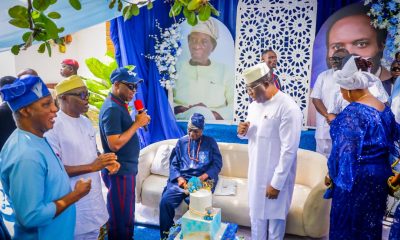

EKITI’LL FOREVER BE GRATEFUL TO YOU. GOV OYEBANJI, SEN BAMIDELE HAIL CHIEF DEJI FASUAN AT 95
Share Ekiti State Governor, Mr. Biodun Oyebanji, and Senate Leader, Senator Opeyemi Bamidele, have described the Chairman of Committee...

Bamidele Urges Political Parties to Shun Hate Speech, Conduct Peaceful 2027 Campaigns
Share The Leader of the Senate, Senator Opeyemi Bamidele, has called on political parties and their candidates to conduct their...

Over 67,000 Nigerians Benefit From Consumer Credit Scheme — Tinubu
Share President Bola Tinubu has said that 67,512 Nigerians across 25 states and the Federal Capital Territory (FCT) have so...

VP Shettima Returns After Leading Nigeria’s Delegation to UNGA
Share Vice President Kashim Shettima has returned to Nigeria after representing President Bola Ahmed Tinubu at the 81st Session of...