Connect with us

International

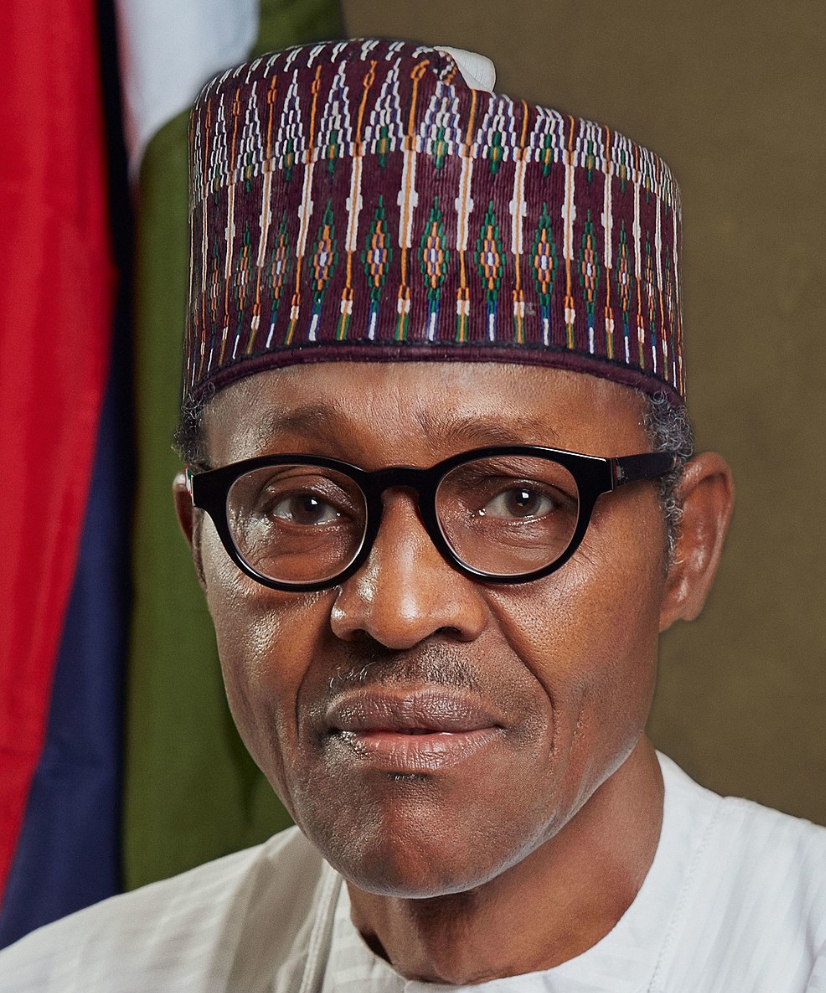
Buhari calls on international community to support peaceful transition in Chad

Published

on

Share

President Muhammadu Buhari has called on the international community to support Chad to conclude the transition from military to democratic government in a peaceful manner within the set time of 18 months.

President Buhari spoke at the opening of the Extraordinary Summit of Heads of State and Government of the Lake Chad Basin Commission (LCBC) in Abuja on Tuesday.

The News Agency of Nigeria (NAN) reports that the summit was convened to discuss the recent developments in Chad after President Idris Deby Itno died on the frontline while defending the territorial integrity of his country.

The Nigerian leader, who declared the one-day summit open in his capacity as the Chair of leaders of LCBC member-countries, rallied development partners and countries particularly France, the United States, and the United Kingdom to support the transition regime in Chad.

He also urged Germany, the Netherlands, and Russia; the United Nations, the African Union and the European Union, as well as other friendly and partner nations to support the transition framework put in place by Chad’s Transition Military Council led by General Mahamat Idris Deby.

‘‘The need to support the Chadian government to effectively carry out its planned 18-month transition is sacrosanct.

‘‘However, it must be stated that the sanctity of the Chadian constitution as the supreme guiding document defining the social contract in the country must be respected.

‘‘The transition period should be civilian-led, with requisite powers given to the constitutionally mandated organs of government saddled with the responsibility of administering the country,’’ he said.

At the in-person meeting attended by the Presidents of Central African Republic, Niger, Chad, Chairman of the Presidential Council of Libya and a representative of the President of Cameroon,

Buhari noted that the death of President Deby Itno had direct implications for the continued peace and stability of Chad as a nation, the Lake Chad region and the wider Sahel Region.

‘‘Our region is faced with difficult, several challenges that need the support and engagement of all to overcome.

‘‘While transnational crimes and rebellion cutting across our region continue to evolve in scope, the attendant conflicts also continue to retain their distinct form of inflicting untold hardship and difficulty on the lives of our citizens.

‘‘The threats by the Chadian rebel groups, who are clamouring to overthrow the government, must be viewed with all the seriousness they deserve because the consequences of a destabilized Chad to the sub-region cannot be imagined.

‘‘The flow of refugees and displaced persons from the country, unrestrained flow of arms, drugs and other harmful substances into Lake Chad and Sahel Regions, which are already challenged by terrorists seeking to establish parallel systems, would further compound the security and stability of our areas and neighbouring countries.

‘‘It is, therefore, our collective duty and in honour of the memory of the men and women that have died in search of peace in the region, to rise in unison as leaders of the region to ensure that peace, stability and security are not disrupted in Chad and in the entire region.

‘‘These challenges, which are fuelled by an interplay of poverty and the loss of sustainable means of livelihood due to climate change, have been further exacerbated by the direct consequence of complete breakdown of law and order in Libya.

‘‘The Libyan conflict has increased fragility in our region with debilitating security implications across the Lake Chad and the larger Sahel Region,” he said.

According to him, this is also typified by increased circulation of illicit arms and ammunition, narcotic substances as well as a refugee crisis that continues to threaten the security of the region.

While urging fellow leaders not to relent in their efforts and allow the enemies of the region to succeed in their quest to destabilize the area, the Nigerian leader said:

‘‘We must reinvigorate our collective will and commitment towards eradicating terrorism and entrenching democratic rule and good governance in Chad and in our region.

‘‘We must remain focused and true to ensuring sustainable development of the region.’’

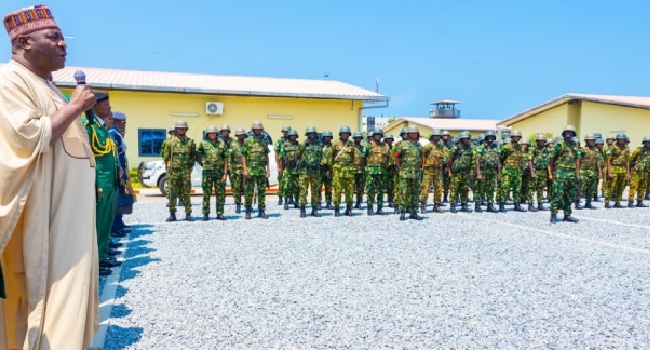
Buhari also commended the untiring efforts of the Lake Chad Basin Commission, the Multinational Joint Task Force, member countries’ National Armed Forces and Security and Intelligence Agencies ‘‘who daily strive to ensure the complete restoration of peace and stability in the region.’’

He pledged that officers, some of whom had paid the supreme sacrifice in the line of duty for the survival of the region, would never be forgotten.

‘‘We are committed to ensuring that the ideals of restoring peace, stability and viability of the Lake Chad Region to its glorious state to which some of you have paid the ultimate price, is achieved,’’ he declared.

NAN reports that on the request of President Buhari and in recognition of the immense and sterling contributions of the late President of Chad to peace and stability in the region, the Summit observed a minute silence for the departed leader.

While eulogising the Marshal of Chad, Buhari described the late president as a committed African leader and statesman.

He said late Deby stood for peace and stability of the Lake Chad Region, the Sahel and the African continent in general.

‘‘His passion, commitment and zeal to the cause of the Lake Chad and African unity would be greatly missed,’’ he said. (NAN)

Continue Reading
Click to comment

Leave a Reply

Your email address will not be published. Required fields are marked *

International

US-Iran Tensions Push Global Oil Prices to One-Month High

Published

on

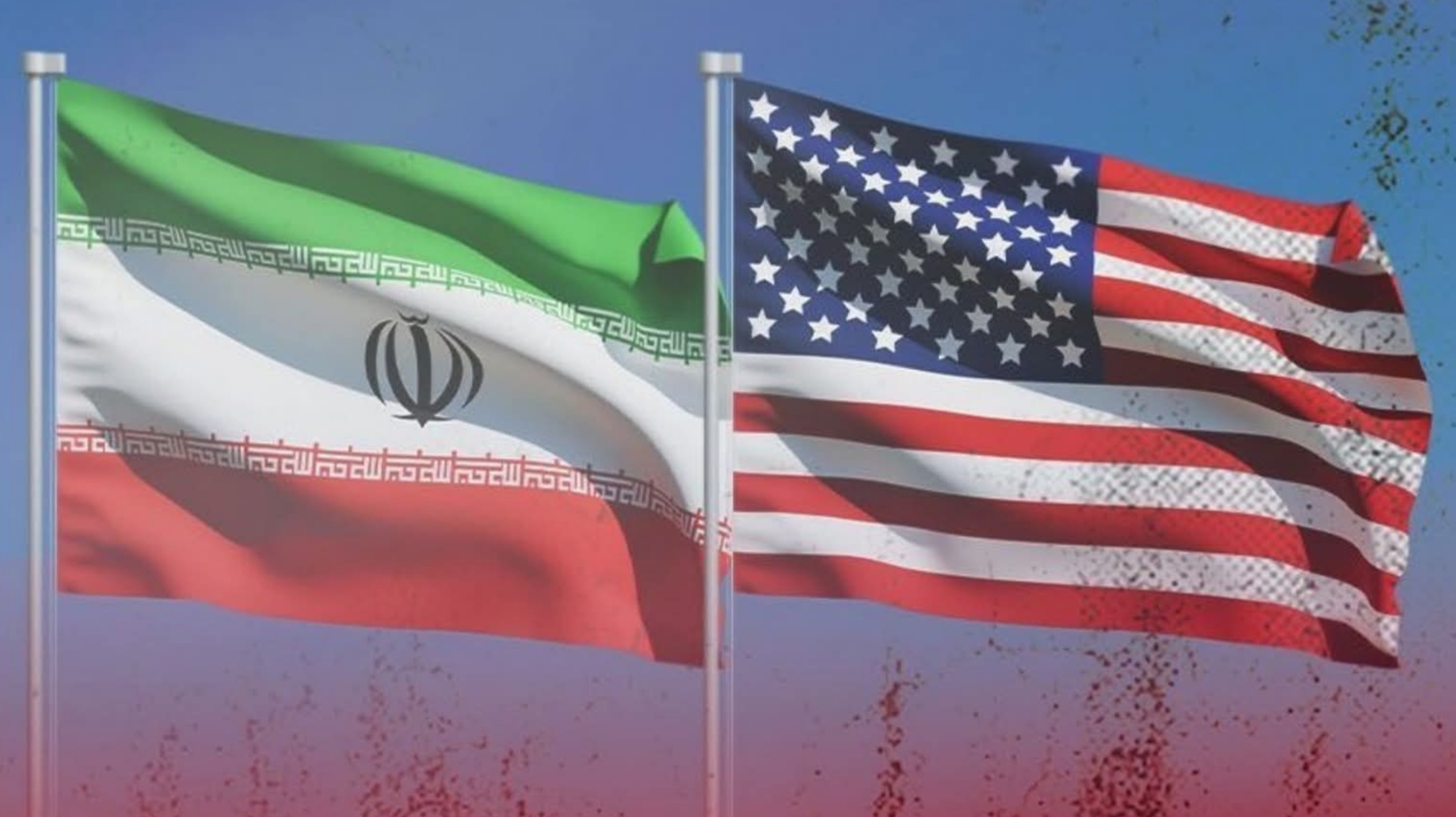
Iran and US Flags
Share


Global oil prices climbed sharply on Tuesday, reaching their highest level in one month, as renewed military tensions between the United States and Iran raised fresh concerns over the security of oil supplies through the Strait of Hormuz.

Brent crude, the international benchmark for oil prices, rose by 4.19 percent to $86.79 per barrel, its highest level since June 12. Meanwhile, the US West Texas Intermediate (WTI) crude gained 3.16 percent to $80.61 per barrel.

The increase follows reports that the United States reimposed a naval blockade on Iran, while renewed exchanges between Washington and Tehran heightened fears of possible disruptions to global energy supplies.

On July 12, Iran announced it had closed the Strait of Hormuz after its naval forces fired a cruise missile at a vessel it alleged was sailing through an unauthorized route. The Strait of Hormuz is one of the world’s most important oil shipping routes, with a significant share of global crude exports passing through it daily.

The latest development marks a sharp reversal from just one month ago, when crude oil prices fell to around $82 per barrel after the United States, Israel and Iran reached an agreement to end hostilities across the Middle East, including Lebanon, and reopen the vital waterway.

In Nigeria, the earlier decline in global crude oil prices sparked concerns over domestic fuel pricing.

The Federal Competition and Consumer Protection Commission (FCCPC) had accused petroleum marketers of failing to fully pass the benefits of lower international oil prices to consumers, arguing that reductions in pump prices were not proportional to the decline in crude oil prices.

Similarly, Minister of Finance and Coordinating Minister of the Economy, Taiwo Oyedele, disclosed that the Federal Government was engaging oil marketers and regulators to ensure that changes in global crude oil prices are more transparently reflected in the prices Nigerians pay for petrol.

On July 10, the Federal Government also convened a meeting with key stakeholders in the oil and gas sector to discuss fair and transparent pricing of petroleum products across the country.

With fresh geopolitical tensions threatening global oil supplies, analysts say international crude prices could remain volatile in the coming days, with possible implications for fuel prices worldwide, including in Nigeria.

Continue Reading

International

Ghana Defers Planned Ramaphosa Visit Over Anti-Migrant Tensions in South Africa, Says Diplomatic Ties Remain Strong

Published

on

Share

The Government of Ghana has postponed a planned visit by South African President Cyril Ramaphosa following recent anti-migrant attacks in South Africa, insisting that the decision is aimed at preventing the current tensions from overshadowing bilateral engagements between the two countries.

The development comes after reports of violence and intimidation targeting undocumented migrants in parts of South Africa, with some Ghanaian nationals among the Africans reportedly affected. The incidents sparked diplomatic concern in Accra, prompting Ghana’s Minister for Foreign Affairs, Samuel Ablakwa, to summon South Africa’s Acting High Commissioner, Thando Dalamba, to formally convey the country’s strong displeasure over the reported harassment and intimidation of foreign nationals.

In response to the deteriorating security situation, the Ghanaian government also commenced the repatriation of some of its citizens from South Africa.

Media reports on Tuesday suggested that Ghana had rejected a proposed state visit by President Ramaphosa as a diplomatic response to the attacks, fuelling speculation of a freeze in relations between the two African nations.

However, Ghana’s Minister for Government Communications, Felix Ofosu, dismissed those claims, clarifying that the visit had not been rejected but mutually deferred because of the prevailing circumstances.

According to Ofosu, the visit had been scheduled long before the recent wave of xenophobic attacks and was originally planned for early August 2026.

He explained that the Ghanaian government formally communicated its position to Pretoria, expressing the view that postponing the visit would allow both countries to engage more productively once tensions had eased.

“Let me indicate that this is a visit that had been planned well in advance of the outbreak of the recent xenophobic attacks. Indeed, it was slated to take place in early August 2026, but given the outbreak of these attacks and all the issues that have arisen therefrom, we sent a diplomatic communication to the South African government that we believe it is best to defer the visit until such a time when these matters have been resolved, and there is relative calm,” Ofosu said during an interview with Joy FM.

He added that the recent attacks were likely to dominate discussions during any high-level meeting, thereby distracting from the broader strategic issues both countries intended to address.

“Given the nature of the recent attacks, there is a likelihood that they will overshadow the very important issues that would have to be discussed during such a visit. So we believe that when matters settle, and the issue of xenophobic attacks no longer hangs over such discussions, it will then be appropriate to have the visit,” he stated.

Meanwhile, South Africa has also clarified its position on the planned engagement.

Presidential spokesperson Vincent Magwenya dismissed reports suggesting that President Ramaphosa had requested a state visit to Ghana. He explained that Pretoria had only sought confirmation from the Ghanaian authorities regarding arrangements for the third session of the Ghana–South Africa Bi-National Commission, a bilateral platform expected to be co-chaired by Presidents Ramaphosa and John Mahama.

Despite the postponement, Ghana has reiterated that its relationship with South Africa remains cordial and that the decision should not be interpreted as a deterioration in diplomatic relations.

The latest development reflects the sensitivity surrounding the recent anti-migrant violence in South Africa, which has drawn concern from several African governments and renewed calls for stronger protection of foreign nationals living and working in the country.


Continue Reading

International

Ghana Repatriates Citizens From South Africa Amid Rising Anti-Foreigner Violence

Published

on

Ghana
Share


The government of Ghana has commenced the repatriation of its citizens from South Africa following weeks of anti-foreigner protests and xenophobic attacks that targeted African migrants living in the country.

The first evacuation flight carrying nearly 300 Ghanaians departed Johannesburg early Wednesday and is expected to arrive in Ghana later in the day. Ghanaian authorities disclosed that about 800 nationals had registered for voluntary repatriation after tensions escalated in several South African communities.

The repatriation exercise follows a wave of hostility against foreign nationals, particularly African immigrants, after videos circulated widely on social media showing confrontations and assaults involving migrants. The incidents reignited fears of xenophobic violence in South Africa, a country that has witnessed recurring anti-immigrant unrest over the years.

Stephen van Neel, head of Immigration and Law Enforcement at South Africa’s Department of Home Affairs, said investigations conducted during the evacuation process revealed that only 10 of the nearly 300 departing Ghanaians possessed valid residency status in the country.

According to him, the majority were found to be undocumented migrants, permit overstayers, or individuals who failed to comply with immigration regulations. He added that South African authorities would enforce appropriate immigration sanctions against affected persons.

Witnesses at Johannesburg’s OR Tambo International Airport reported that men, women, and children arrived in buses before dawn to board the evacuation flight. However, some individuals were unable to travel after encountering documentation-related complications. Officials said those affected could be considered for a second evacuation flight expected later this week.

The anti-foreigner protests reportedly intensified last month after viral videos showed South Africans openly confronting African migrants and questioning their presence in the country. In one widely shared clip, a Ghanaian man was confronted by a group demanding to know why he had relocated to South Africa. Another video showed a man believed to be Ghanaian being physically assaulted.

The developments prompted strong diplomatic reactions from Ghanaian authorities. Ghana’s Foreign Affairs Minister, Samuel Ablakwa, summoned South Africa’s Acting High Commissioner to Ghana, Thando Dalamba, to formally express what he described as Ghana’s “strong concern” over the intimidation and harassment of foreign nationals.

Addressing the evacuees before departure on Wednesday, Ablakwa assured them that adequate arrangements had been made for their reintegration upon arrival in Ghana. He announced a five-point support package prepared by the government to assist returning citizens.

“You are not refugees, you are not some destitute. Ghana is not some war zone where we cannot take care of our own,” the minister told the returnees.

He stated that the evacuation operation demonstrates Ghana’s commitment to safeguarding its citizens abroad and responding swiftly during emergencies affecting nationals overseas.

Nigerians were also among those affected by the renewed xenophobic tensions in South Africa. According to the Nigerian Consulate in Johannesburg, at least two Nigerians were killed during the attacks.

Earlier this month, Nigeria’s Minister of State for Foreign Affairs, Bianca Odumegwu-Ojukwu, disclosed that President Bola Tinubu had directed relevant authorities to arrange evacuation flights for Nigerians willing to return home voluntarily.

Frank Onyekwelu, president of the Nigerian community in South Africa, said more than 130 Nigerians had already registered for repatriation. However, details regarding the proposed evacuation flights have yet to be officially announced.

Nigeria’s Ministry of Foreign Affairs said on Wednesday that further updates concerning the evacuation arrangements would be made public next week.

The latest developments have once again drawn international attention to the recurring issue of xenophobia in South Africa, where frustrations linked to unemployment, crime, and economic hardship are often directed at foreign nationals, particularly migrants from other African countries.

Continue Reading