News
Banks Attacks: Over N5bn, 7 banks branches lost — ASSBIFI
Published
4 years agoon
By
News Editor
Association of Senior Staff of Banks, Insurance and Financial Institutions, ASSBIFI, has said no fewer than N5 billion have been lost and seven bank branches completely destroyed following violent protests and attacks in some states over the scarcity of new naira notes.
President of ASSBIFI, Olusoji Oluwole, condemned unwarranted attacks on banks by aggrieved Nigerians frustrated by their inability to get new naira notes, called on the public to desist from threatening or attacking bank workers, or destroying bank properties because bankers are also victims of the poorly implemented currency redesign.
Briefing on the upsurge of violence over the scarcity of new naira notes, ASSBIFI President said the N5billion was based on the attack on about five banks and seven branches across Abeokuta, Edo, Delta, Oyo, and Uyo states.
He said bank branches were burnt, Automated Teller Machines, ATMs, destroyed and workers’ personal effects were damaged, as well as a heavy attack on their members.
According to him, said the last count of attacks, which happened previously in Oyo and Ogun states were put at about N2 billion, while the recent attack increased the banks’ losses to N5 billion.
He said, “ Right now, I want to believe that we will be talking about not less than five billion Naira and we are still counting, because seven branches have been burnt, ATMs have been destroyed, personal effects have been damaged, vehicles and so on and so forth.”
Oluwole informed that the Association has put its members on alert to be withdrawn without further notice should the attacks and threats to their lives continues, saying “we value the lives of our members and colleagues and will not put them at any further risk. We have put them on alert and shall instruct them without further warning to immediately stay away from their branches if these attacks on our members and facilities continue until such a time that they can be guaranteed their personal safety and the security of their workplaces by the relevant authorities.
“We call on the public to desist from threatening or attacking our members, or destroying our properties as they will be only proverbially cutting their noses to spite their faces. We can only give what we have been provided with and nothing more.
“We also challenge the news media to be investigative, verify and probe their information so that the nation and the world will know the truth. We are in a critical period of our National development, and all hands must be on deck to bring Nigeria out of the woods. Fake and deceptive information must be checked at a time like this.
“ASSBIFI and National Union of Banks Insurance and Financial Institutions Employees, NUBIFIE, members are highly responsible, ethical, and patriotic people, mindful of the negative impact industrial action in an already charged environment, but if we are pushed, we will do what is necessary to defend and protect ourselves.”
Continuing, Oluwole among others, said “Since the Supreme Court order of February 2023 and the outcome of the National Council of State meeting held on Friday 10 February 2023, the CBN has not provided any direction to banks or the public despite the public statements made by the Attorney General of the Federation and some members of the Council of State.
“Our fear of the impact of this deafening silence from the authorities came to reality on Wednesday 15 February 2023 when disgruntled citizens again went on the rampage in Edo, Delta, Ogun, and Oyo States attacking and burning down banks and other institutions.
This we believe was also fueled by the disappointing comments of some high-profile individuals in positions of authority who should have joined us in seeking solutions to the problem rather than further heating up an already volatile polity and knowing that banks are regulated by the CBN and not by any agencies of the various tiers of government.
“The much awaited but belated National address by the President this morning (yesterday) is a clear indication that the funds released to the public were not sufficient and we are amazed that in the same breath, bank officials have been accused of “placing obstacles in the path of innocent Nigerians. We sympathize with our colleagues and employers in various banks whose branches were attacked, damaged, or burnt along with their equipment.
As we stated in previous releases, while we are not against the CBN Policy to Redesign and Withdraw the Old Naira Notes, we continue to reiterate the need to fully engage all relevant stakeholders in immediately looking beyond printing new notes as ordered by the council of state and fashioning out immediate ways to enhance alternative means of transactions that will be devoid of failures and restore confidence in the cashless system.
“The Apex bank should Increase awareness at all levels to discourage panic withdrawal and hoarding of the new currency while providing industry-wide incentives to encourage the transition from cash transactions. We salute institutions that have chosen to act proactively.
It should monitor and sanction outlets that have been verified to shut down the use of alternative means of payment, demanding cash that finds its way into the hands of currency traders. The CBN should also monitor the abuse of the currency at public events, and apply sanctions as prescribed in the CBN act.”
ASSBIFI President added that “This is not the time for trading blames or playing to the gallery for cheap publicity, but the time to constructively work towards providing solutions that will bring relief and comfort to the vulnerable Nigerians whose lives have been put on hold by the scarcity of cash and fuel, two essential items that are needed as the general elections draw near.
“Despite the losses in terms of lives, damaged properties, and looming job insecurity due to the destruction of business premises within our industry, and the impact on Insurance Organizations, we remain committed to going the extra mile in providing service to our customers in safe and secure environments.”
You may like
News
43 Feared Dead as Illegal Fuel Siphoning Turns Fatal in Rivers Community
Published
1 week agoon
September 3, 2026By
News Editor
OKRIKA, Rivers — What began as an overnight attempt by hundreds of youths to siphon petroleum products from an illegal pipeline connection has ended in tragedy, with at least 43 people feared dead in Okrika Local Government Area of Rivers State.
The incident occurred around midnight on Thursday at Okari Jetty in Okrika Mainland, leaving families searching for loved ones and the community grappling with the scale of the disaster.
Community sources said more than 200 youths from neighbouring communities arrived at the jetty in wooden boats and attempted to collect petroleum products from an illegally connected tapping point on a pipeline linked to the facility.
The operation reportedly turned deadly after the youths were exposed to concentrated fumes while loading the product into waiting boats.
Several people reportedly lost consciousness. Some fell into the river and drowned, while others managed to escape and are receiving treatment for respiratory complications.
Of the 43 people reportedly dead, 37 have been identified as indigenes of Okrika, while six others remain unidentified. Several people are also still unaccounted for.
The incident has left relatives and community members facing the painful task of searching for missing family members and identifying those who died.
Blessing Agabe, spokesperson for the Rivers State Police Command, confirmed the incident and said investigations were underway to determine the circumstances surrounding the deaths and establish the actual number of casualties.
Fyneface Fyneface, Executive Director of the Youths and Environmental Advocacy Centre (YEAC-Nigeria), said the victims were allegedly involved in an illegal operation at a tapping point on a pipeline transporting petroleum products from the Indorama Eleme Petrochemicals area through the Port Harcourt refinery corridor to export vessels.
According to him, the victims were loading the product into waiting boats while a vessel was receiving supplies from the pipeline.
Fyneface described the incident as a major warning about the dangers associated with tampering with oil and gas infrastructure and illegal bunkering activities in the Niger Delta.
YEAC-Nigeria has called on the National Oil Spill Detection and Response Agency (NOSDRA) to conduct a joint investigation into the incident and determine what led to the deaths.
The organisation also urged operators of oil and gas facilities to strengthen security around critical infrastructure to prevent vandalism and unauthorised access.
Beyond the immediate investigation, Fyneface called for stronger measures to reduce the economic pressures that drive young people into dangerous activities, including the creation of alternative livelihood opportunities, industrial development programmes and other sustainable economic initiatives across the Niger Delta.
For families in Okrika, however, the immediate concern is more personal: finding missing relatives, identifying the dead and coming to terms with a tragedy that has claimed dozens of lives in a single night.
News
Uber Exits Nigeria After 12 Years, Cites Changing Business Priorities
Published
2 weeks agoon
September 2, 2026
Global ride-hailing giant Uber has ended its ride-hailing operations in Nigeria, bringing its 12-year presence in the country to a close.
Uber announced the decision on Wednesday, September 2, 2026, saying it would wind down its operations in Nigeria following a review of its business priorities and investment focus across Africa.
The company, which launched its service in Lagos in 2014, said the decision takes effect immediately.
“After a thorough review, we have taken the difficult decision to wind down operations in Nigeria and Uganda, effective September 2, 2026,” Uber said in a statement.
Uber stressed that the decision is limited to Nigeria and Uganda and does not represent a withdrawal from the wider African market.
The company said it remains committed to Sub-Saharan Africa, which it described as a region with strong growth prospects and long-term opportunities.
Why Uber is leaving Nigeria
Uber attributed its Nigerian exit to its “evolving business priorities and investment focus across the continent.”
The company said it was concentrating investments on markets where it could create the greatest value for drivers by providing earning opportunities at scale while allowing passengers to move around seamlessly.
Uber did not cite regulatory difficulties in Nigeria as the reason for its withdrawal.
The company also specifically denied that its decision was linked to a recent directive by the Federal Airports Authority of Nigeria (FAAN) concerning e-hailing operations at Nigerian airports.
“No,” Uber said when asked whether the FAAN directive was responsible for its decision.
FAAN had recently clarified that it had not imposed a blanket ban on e-hailing services at Nigerian airports, explaining that discussions with operators were focused on establishing an appropriate framework for their operations within airport premises.
Drivers, riders affected
Uber said its immediate priority is supporting drivers, riders and employees affected by the shutdown.
The company said it is communicating directly with affected stakeholders about the implications of the decision and arrangements for the transition.
Uber has operated in Nigeria for more than a decade, expanding beyond Lagos to several cities, including Abuja, Port Harcourt, Ibadan, Enugu, Kano and other major urban centres.
Its departure is expected to reshape Nigeria’s increasingly competitive ride-hailing market, where operators compete for passengers and drivers amid rising operating costs and evolving regulatory requirements.
End of an era
Uber’s exit marks the end of a significant chapter in Nigeria’s digital transport industry.
The company helped popularise app-based ride-hailing in the country after launching in Lagos in 2014, offering passengers an alternative to conventional taxi services and creating new earning opportunities for thousands of drivers.
Its withdrawal also comes at a time when ride-hailing companies across Africa are reassessing their operations and investment strategies.
Uber previously withdrew from Côte d’Ivoire in 2025 and ended operations in Tanzania in January 2026, reflecting the challenges global mobility platforms can face in adapting their business models to individual African markets.
For Nigerian passengers and drivers, however, the immediate question is what Uber’s departure will mean for competition, fares, driver earnings and service availability.
While Uber is leaving Nigeria, the company maintains that its broader commitment to Sub-Saharan Africa remains intact.
The exit therefore represents a strategic withdrawal from the Nigerian market rather than a retreat from Africa, according to the company.
News
Kogi Information Perm Sec Pledges Support for NUJ Chapel, Urges Journalists to Uphold Trust
Published
2 weeks agoon
September 2, 2026
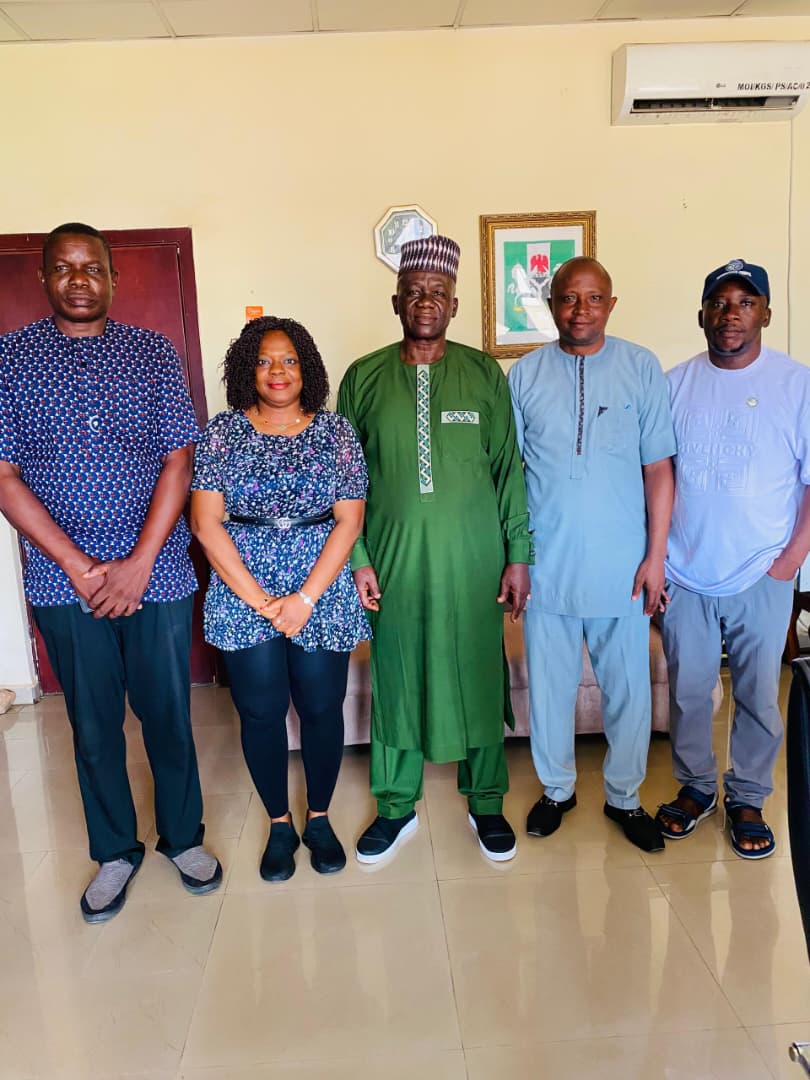
The newly appointed Permanent Secretary, Kogi State Ministry of Information and Communications, Mr. Awulu Tijani David, has pledged his full support to information officers in the state, stressing that effective information management remains critical to the success of government and its policies.
Awulu Tijani made the commitment on Wednesday, September 2, 2026, when the leadership of the Nigerian Union of Journalists (NUJ), State Information Chapel, led by its Chairman, Mr. Solomon Musa, paid him a courtesy visit at his office in Lokoja to formally introduce the newly elected executives of the chapel.
The Permanent Secretary, who described the position of leadership as a privilege and a responsibility entrusted to individuals by the people, urged the new NUJ Information Chapel leadership to justify the confidence reposed in them by members.
He advised the executives to remain accountable, trustworthy and committed to the welfare and professional advancement of members, noting that records of every person entrusted with responsibility would eventually speak for them.
“People trusted and elected you. It is my prayer that you succeed better than those who have been there before you,” he said, while assuring the chapel of his willingness to work with the new leadership for the advancement of the information profession in Kogi State.
Awulu particularly emphasised the strategic importance of information officers to government, describing them as the “eyes” of the Ministry of Information and Communications and key players in communicating government policies, programmes and achievements to the public.
According to him, the success of the ministry is closely tied to the effectiveness of its information officers, stressing that the leadership of the ministry must provide the necessary support and working environment for them to perform optimally.
“If the Ministry of Information does not do whatever it will take to make the information officers work well, then what are we here for? You are the eyes of the Ministry of Information. Without you, the ministry cannot do anything,” he stated.
The Permanent Secretary also encouraged the chapel leadership to always communicate its needs and challenges to his office, assuring them that issues within his capacity would receive prompt attention, while matters requiring higher-level intervention would be referred appropriately.
He said his door would remain open to members of the chapel, describing the ministry as their own home and urging them not to hesitate to approach him whenever they required his intervention.
“This is your office; it is your home. Whenever you need the office to intervene, call on me. I don’t know everything that you do, and I am not a journalist; I am an administrator. That is why I need people to advise me,” he said.
Awulu further noted that his appointment as Permanent Secretary should be seen as a privilege rather than a position that places him above others, stressing that any member of the service could attain similar responsibility in the future.
He also commended the Chairman of the NUJ Information Chapel, Mr. Solomon Musa, whom he described as a humble and experienced professional who understands the demands of the information business.
He assured the chapel that he would support programmes that would contribute to the professional development and welfare of information officers, urging the leadership to formally present its proposals for consideration.
Earlier, the Chairman of the NUJ State Information Chapel, Mr. Solomon Musa, said the visit was aimed at formally introducing the newly elected executives to the Permanent Secretary as the Chief Accounting Officer of the Ministry and to seek his support and that of the ministry for the chapel’s activities.
Musa introduced the new executives, including the Vice Chairman, Mrs. Olajumoke Ajani, a State Information Officer with the Ministry of Local Government and Chieftaincy Affairs; Secretary, Miss Gloria Amodu, State Information Officer with the Ministry of Works; Treasurer, Mr. Salau Ibrahim of SEMA; Financial Secretary, Mrs. Mariam Tenimu, State Information Officer with the Ministry of Environment; and Auditor, Mr. Abah Benjamin Eneojoh Treasure, State Information Officer at Government House.
He said the new leadership had come into office with a commitment to strengthen unity, professional development and collaboration among information officers across ministries, departments and agencies.
Musa also appealed for the ministry’s continued support for the chapel’s annual professional and social programme, which brings together serving and retired information officers, including former Permanent Secretaries and Directors who had served in the information sector.
He recalled that the inaugural edition of the programme held last year provided an opportunity for retired senior officers to share their experiences with younger information officers, describing the engagement as an avenue for knowledge transfer and mentorship.
According to him, the chapel intends to make this year’s edition bigger and more impactful, with plans to incorporate activities including a visit to an orphanage, sporting activities and professional lectures designed to strengthen the capacity of members.
He also sought the support of the ministry for the enrolment of chapel members into the Nigerian Institute of Public Relations (NIPR), noting that the proposal had previously been discussed with the relevant authorities.
The chapel’s Auditor, Mr. Abah Benjamin Eneojoh, further appealed to the Permanent Secretary to accept the role of a fatherly figure and strategic partner to the chapel, stressing that the support of the ministry’s leadership would be critical to the success of its programmes.
Eneojoh emphasised the need for government to continue strengthening State Public Relations Officers and other information professionals, noting that adequately supported information officers would be better positioned to effectively communicate government policies and achievements to the people.
He commended the Commissioner for Information and Communications, Hon. Kingsley Femi Fanwo, for what he described as his consistent support for the activities of the chapel and his commitment to the rebranding and repositioning of Kogi State through effective communication.

Latest News
2027: Obi Says He’ll Retain Tinubu’s Floating Naira Policy
Share Peter Obi, presidential candidate of the National Democratic Congress (NDC) in the 2027 election, says he will retain the...
Oil Prices Rise Above $100 As Iran Tightens Grip On Strait Of Hormuz
Share Oil prices rose above $100 per barrel on Thursday after Iran tightened restrictions on vessels passing through the Strait...
2027: APC Will Campaign on Tinubu’s Achievements, Not Fresh Promises — Yari
Share The All Progressives Congress (APC) Presidential Campaign Council says its campaign for the 2027 general election will be issue-based...
Subsidy Removal Debate Is Over, Nigerians Must Now See Its Benefits — PENGASSAN
ShareThe Petroleum and Natural Gas Senior Staff Association of Nigeria (PENGASSAN) has called on the Federal Government to move beyond...
NFF Reform Team Note: Nearly Six Decades of Non-Footballer NFF Leadership — Different Administrators, Familiar Problems: What Does Their Leadership Record Tell Us?
Share𝐁𝐲 𝐏𝐚𝐮𝐥 𝐋𝐮𝐜𝐤𝐲 𝐎𝐤𝐨𝐤𝐮 𝐀𝐔𝐓𝐇𝐎𝐑’𝐒 𝐍𝐎𝐓𝐄: This article is part of my continuing investigative examination of nearly six decades of...