Connect with us

Defence and Security

We won’t allow foreigners overrun Nigeria – Military   

Published

on

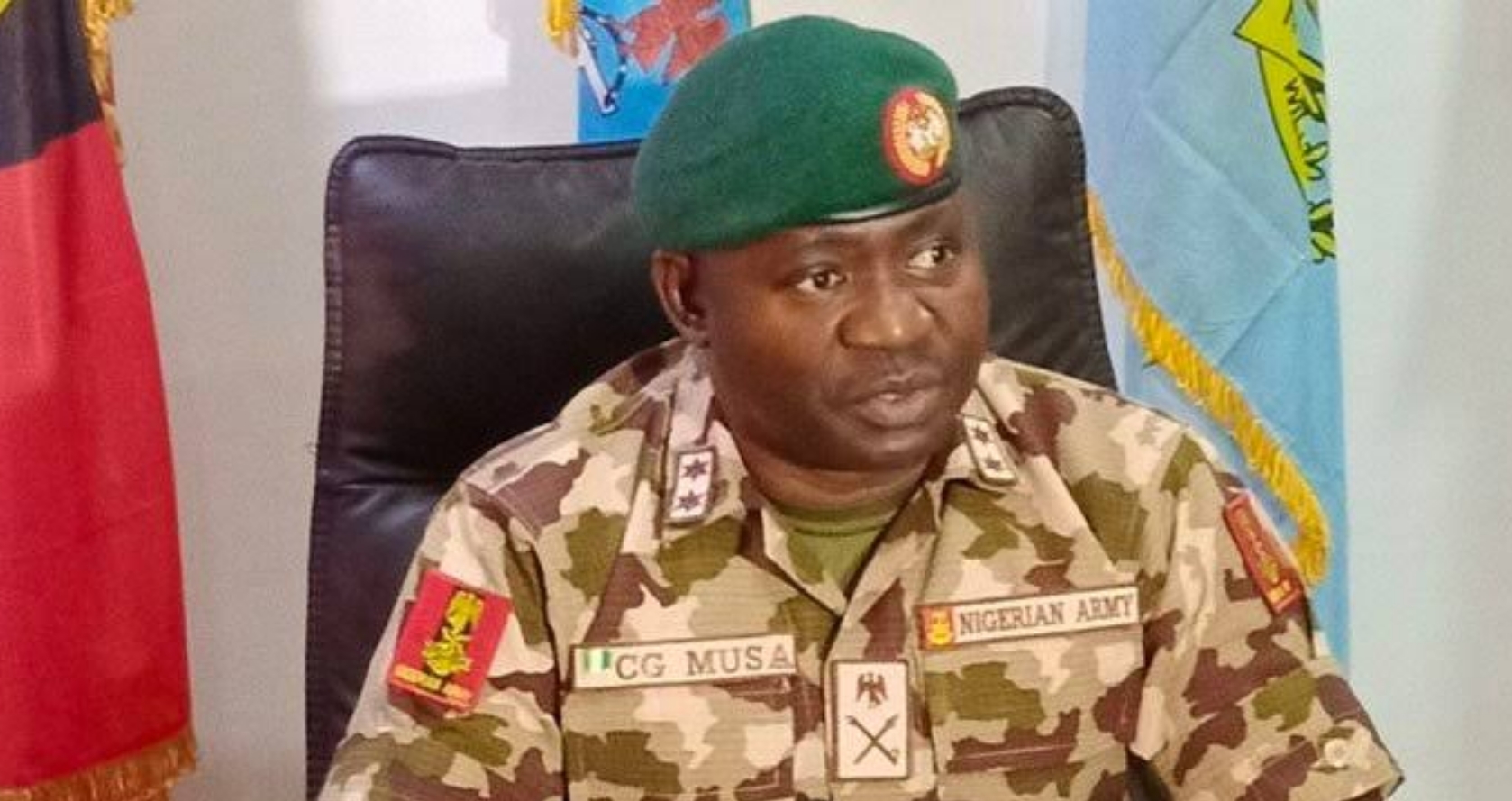
Theatre Commander, Operation Hadin Kai, Maj.-Gen. Christopher Musa
Share

The Theatre Commander, Operation Hadin Kai, Maj.-Gen. Christopher Musa, says the Nigerian military will not allow the Islamic States West African Province (ISWAP), a foreign terrorist group, to have strong footing in Nigeria

Musa stated this in an interview with newsmen on Wednesday, in Maiduguri

He said that ISWAP terrorist group was a foreign terrorist organisation being sponsored by foreigners with some local collaborations, adding that the terrorists that were refusing to surrender belonged to ISWAP.

According to him, ISWAP is a foreign terrorist organisation that is funded by foreign individuals and probably some locals but mostly foreign and then they have foreign leadership which means they have not stake in Nigeria.

“It is very clear that ISWAP are foreigners coming to invade our country which we will never allow to happen.

“That is why I want to encourage those of them, especially those members that are with them to pull out and understand that they have no stake in what those guys are doing.

“They don’t wish the country well they don’t wish themselves well and we will never allow any foreigner step an inch on ground in Nigeria,” he said.

The theatre commander stated that the military had advised the governments on the need to adopt the system of involving the victims in dialogue on the handling of the surrendered terrorists.

He added that the government must ensure that the victims were not left out, saying that people should be assured that the proper processes would be followed without compromise.

According to him, some of the victims are military men, as the military has lost wonderful officers and soldiers.

“So, for us to even accept them has been very difficult but professionally we are meant to do that.

“Once we have those windows and they are working we are meant to ensure that we arrest them bring them in and then the nation will take its proper cause through constitution and that is what is going to happen.

“We want them to agree to understand fully that Operation Hadin Kai is just doing its own bit and the military operation is just one line of operation which is about 20 per cent while the remaining 80 per cent has to do with diplomacy, humanitarian, justice, rule of law and all these things.

“So, that is the stage we are in now,” he said.

Musa disclosed that the terrorists were being secured separately, adding that they were not going to be released just like that.

He said that the profiling of the surrendered terrorists was being carried out by the Defence Intelligence Agency (DIA), DSS and other security agencies.

According to him, everybody that has anything to do is also checking, we have also invited the National Identity Management Agency (NIMC) who are taking the profiles of everybody.

“They take the thumb and pictures and so, even after this, we know what they are doing, we know where they are and know where he goes to.

“This goes to show you that we are taking the proper procedure and nobody is going to be compromised,” he said.

(NAN)

Continue Reading
Click to comment

Leave a Reply

Your email address will not be published. Required fields are marked *

Defence and Security

State Police: Funding Must Be First-Line Charge to Prevent Political, Criminal Abuse — Senate Leader Bamidele

Published

on

Senate Leader, Senator Michael Opeyemi Bamidele
Share


ABUJA, July 15, 2026 — The Leader of the Senate and Vice Chairman of the Senate Committee on the Review of the 1999 Constitution, Senator Opeyemi Bamidele, has called for the financial independence of proposed state police services, insisting that their funding must be entrenched as a first-line charge in the Constitution to shield them from political interference and manipulation by vested interests.

Bamidele made the position known on Wednesday while responding to growing public concerns over the proposed establishment of state police as part of the ongoing constitutional amendment process.

According to him, the National Assembly is determined to create a state policing system that is accountable, operationally independent and financially insulated from undue influence by governors, political actors, business interests, criminal syndicates and other powerful groups.

The Senate Leader acknowledged that the reservations expressed by Nigerians regarding state police are legitimate and deserve careful consideration.

He noted that many of the fears stem from Nigeria’s First Republic, when the 1960 and 1963 Constitutions empowered regional governments to establish their own police forces, a system that was widely criticised for political abuse.

To prevent a repeat of such experiences, Bamidele disclosed that the National Assembly is designing robust constitutional safeguards that will strengthen institutional independence, enforce professional discipline and guarantee fiscal autonomy for state police services.

A major component of the proposed framework, he explained, is making the funding of state police a constitutional first-line charge, similar to the funding arrangement currently enjoyed by the judiciary.

Drawing a comparison with the judicial arm of government, Bamidele explained that the Chief Justice of Nigeria does not seek presidential approval before accessing constitutionally allocated funds, unlike ministries and other executive agencies.

He stressed that a similar financial model should apply to state police institutions so that Commissioners of Police and State Police Service Commissions would not depend on the discretion of state governors for operational funding.

According to him, allowing governors to determine whether or not to release funds to state police could undermine the independence of the institution, especially in situations where police authorities refuse to carry out politically motivated directives.

He revealed that lawmakers are considering constitutional provisions that would compel states to allocate a defined percentage of their annual budgets specifically for the operations of state police services, while clearly outlining transparent mechanisms for accessing such funds.

Bamidele maintained that guaranteed funding is essential for professionalism, accountability and effective policing, warning that underfunded police organisations would be vulnerable to external influence.

Beyond political interference, he cautioned that wealthy individuals, organised business interests, criminal networks and influential cabals could also compromise state police institutions if financial independence is not constitutionally protected.

He warned that any policing institution that relies on unofficial sources of funding risks becoming susceptible to manipulation, stressing that “he who pays the piper dictates the tune.”

The Senate Leader further assured Nigerians that the National Assembly remains committed to addressing every genuine concern raised by stakeholders before concluding work on the constitutional amendment.

He explained that the broader objective of the constitutional review is to transfer policing powers from the Exclusive Legislative List to the Concurrent Legislative List, thereby enabling state governments to establish and operate their own police services within a clearly regulated constitutional framework.

Bamidele concluded that creating state police without guaranteeing sustainable funding would defeat the purpose of the reform, insisting that operational independence, financial autonomy and constitutional safeguards must form the foundation of any new policing structure in Nigeria.


Continue Reading

Defence and Security

Zamfara Governor Dauda Lawal Explains Why He Refused to Pay ₦300 Million Ransom for Kidnapped Brothers, Renews Call for State Police

Published

on

Zamfara State Governor, Dauda Lawal
Share


Zamfara State Governor, Dauda Lawal, has reaffirmed his administration’s firm opposition to the payment of ransom to kidnappers, revealing that he once refused to pay a ₦300 million ransom demanded for the release of his own brothers after they were abducted in 2019.

The governor made the disclosure on Thursday while speaking at the ARISE News and THISDAY Townhall Conference in Abuja, where he argued that paying ransom only strengthens criminal networks and fuels the growing menace of kidnapping across the country.

Lawal recounted that his brothers were held captive for about three months after they were kidnapped in 2019. Despite intense pressure and the kidnappers’ demand for ₦300 million, he maintained his stance against negotiating or paying any ransom.

According to him, he made it clear to the abductors that he would not give them any money, insisting that rewarding criminality would only encourage more kidnappings.

“My own brothers were kidnapped in 2019, and these criminals were demanding about ₦300 million. I told them I was not going to pay a dime. If they wanted, they could kill them,” the governor said.

He disclosed that after spending three months in captivity, his brothers were eventually released without any ransom being paid.

Lawal stressed that paying ransom has become one of the major factors sustaining kidnapping and banditry, noting that criminal groups continue to target innocent citizens because they expect financial rewards.

“Once we continue paying ransom, we are encouraging them to keep kidnapping people. If nobody pays, they will eventually realise there is nothing to gain,” he stated.

The governor reiterated that his administration will neither negotiate with armed groups nor pay ransom under any circumstances, describing the policy as essential to breaking the cycle of violent crime.

“I will not negotiate, and I will not pay ransom to any criminal, no matter what happens,” he declared.

Beyond his position on ransom payments, Lawal renewed his call for the establishment of state police, arguing that governors should have direct operational control over security agencies if they are to be held accountable for the safety of lives and property within their states.

He lamented that although governors are constitutionally regarded as chief security officers of their states, they lack the authority to issue operational directives to security agencies, a situation he said limits their ability to respond swiftly and effectively to security threats.

The governor also identified chronic underfunding, inadequate training, poor welfare packages and insufficient operational equipment as major challenges confronting the Nigeria Police Force. According to him, these issues have weakened the country’s security architecture and reduced the effectiveness of law enforcement agencies.

Lawal maintained that the long-term solution to banditry, kidnapping and other violent crimes lies in sustained investment in security personnel, modern equipment, intelligence gathering and technology, rather than negotiating with criminals or paying ransom.


Continue Reading

Defence and Security

FG Increased Soldiers’ Minimum Monthly Salary from ₦49,000 to ₦100,000, Says Defence Minister Christopher Musa

Published

on

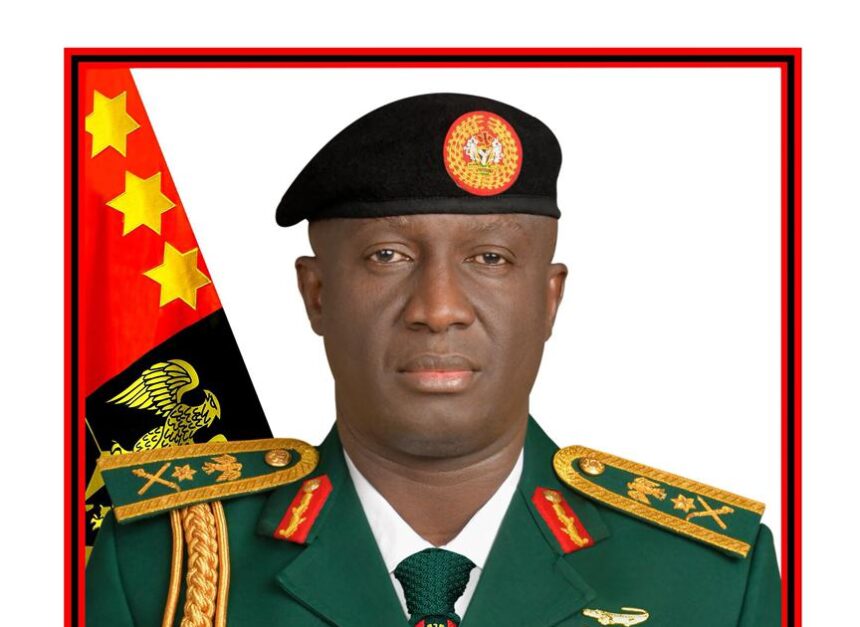
Minister of Defence, Christopher Musa
Share


The Minister of Defence, Christopher Musa, has disclosed that the Federal Government has increased the minimum monthly salary of Nigerian soldiers from ₦49,000 to ₦100,000 as part of efforts to improve the welfare and morale of personnel of the Armed Forces.

Musa made the disclosure during an interview with News Central ahead of the broadcast of its NC Exclusive programme scheduled for Friday.

According to the minister, the salary adjustment reflects the commitment of President Bola Tinubu’s administration to strengthening the military, even though he acknowledged that the defence sector remains underfunded.

“When they started, a soldier was collecting ₦49,000 monthly. We tried so hard; now he’s collecting ₦100,000,” Musa said.

Despite the increase, he stressed that more resources are still required to adequately equip and sustain the Armed Forces in tackling Nigeria’s growing security challenges.

On the rising wave of kidnappings across the country, Musa advocated the death penalty for convicted kidnappers, arguing that stronger punishments are necessary to deter the crime.

“I think we should do that. There must be deterrence. The laws are soft, and that’s why people take advantage. If they know once you commit an offence, there must be punishment,” he said.

Speaking on the recent abduction of schoolchildren in Oyo State, the Defence Minister described the incident as unfortunate and alleged that the kidnappers were attempting to pressure the military into releasing some of their detained commanders.

He revealed that the abductors had threatened to kill the children if security forces attempted a rescue operation.

“They are looking for leverage because we have some of their commanders with us. They feel taking these kids and holding them to ransom will make us release their commander. They are now threatening that if we come any closer, they’re going to kill all the kids,” he stated.

Musa also dismissed allegations that Nigerian soldiers are poorly fed, insisting that reports circulating on social media do not reflect the reality within the military.

Reacting to a viral video involving an influencer identified as Justice Crack, the minister alleged that the soldier deliberately removed food items from his meal to create the false impression that troops were being poorly catered for.

According to him, the meal served contained meat and other food items, but these were intentionally taken out before the video was recorded to mislead the public.

The Defence Minister maintained that the Federal Government remains committed to improving the welfare of military personnel while intensifying efforts to combat terrorism, banditry, kidnapping and other security threats across the country.

Continue Reading