Connect with us

Defence and Security

Nigeria Must Move Beyond Kinetic Approach to Defeat Terrorism – Senate Leader, Bamidele

Published

on

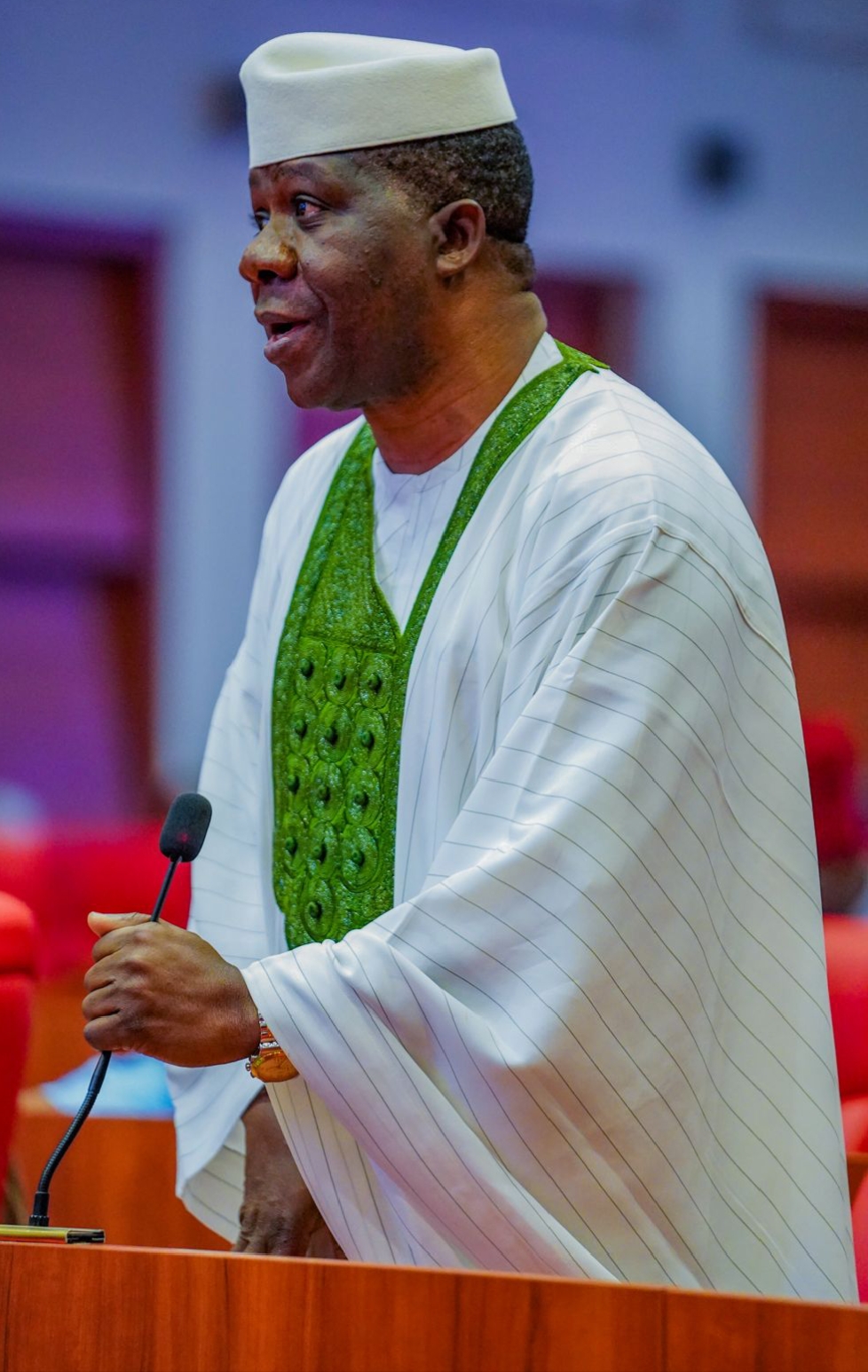
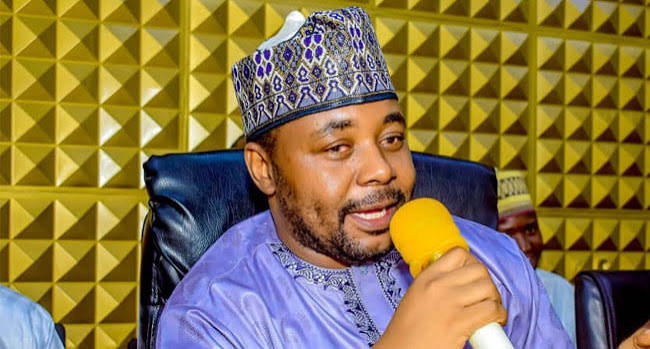
Senate Leader, Senator Michael Opeyemi Bamidele
Share


The Senate Leader, Opeyemi Bamidele, has called for a strategic shift in Nigeria’s fight against insecurity, urging authorities to complement military operations with sustained investments in human capital development and social cohesion.

In his Eid al-Fitr message to Muslims across the country, Bamidele congratulated Nigerians on the successful completion of Ramadan, describing the holy month as a period marked by sacrifice, reflection, charity, and devotion to God.

He noted that the lessons of Ramadan—tolerance, compassion, and self-discipline—should guide both individual conduct and government policies, particularly at a time of global uncertainty and domestic security challenges.

The Senate Leader referenced recent security incidents, including bomb explosions in Maiduguri, which resulted in loss of lives and injuries, stressing that such tragedies underscore the urgent need for a more comprehensive approach to national security.

While commending Nigeria’s defence, intelligence, and security agencies for their resilience, Bamidele emphasised that reliance on military force alone—often described as a kinetic approach—cannot guarantee lasting peace.

“Time and experience have shown that kinetic operations alone cannot guarantee the peace and stability of our nation,” he stated.

He therefore advocated a broader, multi-dimensional strategy that addresses the root causes of violent extremism.

According to him, religious leaders must promote tolerance and desist from teachings that could incite radicalisation, while socio-cultural leaders should prioritise dialogue in resolving inter-ethnic conflicts rather than resorting to violence.

Bamidele also highlighted the role of subnational governments, noting that the fight against insecurity is not solely the responsibility of the federal government. He urged state governments to prioritise human capital development by investing in education, healthcare, nutrition, and social protection systems.

He added that creating opportunities for innovation and creativity among young people would help reduce vulnerability to extremist ideologies.

At the legislative level, the Senate Leader disclosed that the National Assembly is pursuing a multi-pronged approach to strengthen national security and development.

He revealed that the Senate has constituted an ad-hoc committee on a National Security Summit aimed at identifying the root causes of insecurity across the country. He also pointed to the ongoing review of the 1999 Constitution, which he said would include amendments to grant subnational governments greater authority in managing security within their jurisdictions.

Bamidele reaffirmed the commitment of the National Assembly to enacting laws that support the fight against terrorism and violent extremism.

He concluded by extending warm Eid al-Fitr wishes to Muslims nationwide, urging Nigerians to embody the values of peace, unity, and mutual respect beyond the Ramadan season.

Defence and Security

Tinubu Appoints Retired General, Famadewa As Special Adviser On Homeland Security

Published

on

Major General Adeyinka Famadewa (Retired)
Share


President Bola Tinubu has appointed retired Major General Adeyinka Famadewa as Special Adviser on Homeland Security in a move aimed at strengthening Nigeria’s internal security and intelligence coordination.

The appointment was announced on Monday in a statement issued by Chris Ugwuegbulam, Head of Information and Public Relations at the Office of the Secretary to the Government of the Federation (OSGF).

According to the statement, the appointment reflects the administration’s commitment to improving security coordination, boosting intelligence-driven operations, and enhancing collaboration among security agencies to tackle emerging threats across the country.

The statement described Famadewa as a highly experienced military officer with more than three decades of service in national security, intelligence operations, counter-terrorism, and international security diplomacy.

It noted that during his time as Principal General Staff Officer to the National Security Adviser between 2015 and 2021, Famadewa played a key role in shaping Nigeria’s intelligence coordination system.

One of his major contributions was the establishment of the Intelligence Fusion Centre (IFC) at the Office of the National Security Adviser (ONSA). The centre brought together key security and intelligence agencies including the Defence Intelligence Agency (DIA), National Intelligence Agency (NIA), Department of State Services (DSS), the Nigeria Police Force, and the Armed Forces.

The platform was designed to improve intelligence sharing, national threat assessment, and strategic response coordination among security agencies.

After retiring from active military service, Famadewa continued contributing to national security discussions as a Senior Research Fellow at the Nigerian Army Resource Centre in Abuja.

He is also the author of the monograph titled “Policing and National Security in Nigeria,” which focuses on improving cooperation between civilian institutions and security agencies.

President Tinubu expressed confidence that Famadewa’s experience and strategic expertise would help strengthen the administration’s efforts to achieve a safer and more secure Nigeria.

The President also urged the retired general to use his professionalism and wealth of experience to support the government’s Renewed Hope Agenda and advance the country’s national security objectives.

Continue Reading

Defence and Security

Insecurity: CDS Orders Troops to Intensify Offensive Against Bandits in North-West

Published

on

CDS, Olufemi Oluyede
Share

The Chief of Defence Staff, Olufemi Oluyede, has directed troops under Operation FANSAN YAMMA to intensify operations against bandits and other criminal groups in Nigeria’s North-West region.

The directive was given during his operational visit to the Joint Task Force Headquarters in Gusau, Zamfara State, where he assessed troop readiness and ongoing efforts to restore peace in the area.

Addressing the soldiers, Oluyede praised their courage and sacrifices, urging them to remain disciplined and relentless. He stressed that the safety of citizens depends on their commitment, calling on them to pursue criminal elements until they are eliminated.

He also assured troops of continued support in welfare, training, and provision of necessary equipment to enhance their effectiveness in the field. The CDS highlighted the importance of improved air support and better coordination across operations.

During the visit, Oluyede paid a courtesy call to the Governor of Zamfara State, Dauda Lawal, commending his support for military operations and encouraging stronger collaboration, especially in intelligence sharing.

Governor Lawal, in his response, appreciated the efforts of the Armed Forces and reaffirmed his administration’s commitment to supporting security operations in the state.

The visit included operational briefings, troop interactions, and an assessment of deployments as part of ongoing efforts to tackle insecurity in the region.

Continue Reading

Defence and Security

Tinubu Approves ₦15bn Take-Off Grant for New Police Academy Campus in Ogun

Published

on

Share

President Bola Ahmed Tinubu has approved the establishment of a new campus of the Nigeria Police Academy in Erinja, Yewa South Local Government Area of Ogun State.

The President also approved a ₦15 billion take-off grant for the institution. According to his Special Adviser on Information and Strategy, Bayo Onanuga, the move aligns with the provisions of the Nigeria Police Academy (Establishment) Act, 2021, which allows for expansion into multiple campuses nationwide.

The take-off fund will be sourced from the TetFund 2026 allocation and will support key infrastructure, academic facilities, student accommodation, and essential training equipment.

The decision followed a high-level meeting involving the Minister of Police Affairs, the Minister of Education, Tunji Alausa, officials of the Federal Ministry of Education, the Inspector-General of Police, and the Executive Secretary of the National Universities Commission.

The meeting considered factors such as student capacity, funding, academic standards, and the long-term needs of the Nigerian Police Force. The expansion is expected to enhance policing education, institutional governance, and national security.

Continue Reading