Connect with us

Health

WHO identifies COVID-19 delta variant in 85 countries

Published

on

WHO DG, Tedros Adhanom Ghebreyesus
Share

The Director-General, World Health Organisation (WHO), Tedros Ghebreyesus, has expressed concern over the COVID-19’s delta variant, which he called “the most transmissible” mutation to date.

Ghebreyesus told journalists at a regular briefing on Friday that delta co had been identified in at least 85 countries and is “spreading rapidly among unvaccinated populations”.

“As some countries ease public health and social measures, we are starting to see increases in transmission around the world,” he said.

A surge in cases translates to more hospitalisations, which continue to stretch healthcare workers and health systems while putting more at risk of death, according to the WHO chief.

Ghebreyesus acknowledged that new variants were expected, saying “that’s what viruses do, they evolve” and stressed that by preventing transmission, we can stem the emergence of variants.

“It’s quite simple: more transmission, more variants. Less transmission, less variants,” he said, noting that it is even more urgent today to prevent transmission by consistently using public health and social measures along with vaccines.

“This is why WHO has been saying for at least a year that vaccines must be distributed equitably, to protect health workers and the most vulnerable,” he said.

Maria Van Kerkhove, WHO Technical Lead on COVID-19, said “the world situation is very fragile” and “countries must be cautious”.

Noting that COVID-19 delta has proved “extremely contagious in any country it reaches”, she cautioned that it is being transmitted among unvaccinated people “even in countries with high percentages of immunisation”.

“The delta variant can make the epidemic curve exponentially,” Kerkhove said.

But delta is not the only worrying mutation. According to the WHO expert, “there is a constellation of variants circulating,” including sub-variants, four of which are very worrying.

“Vaccines and treatments work, but these viruses can evolve and the existing shots “may not work” over time, emphasising again that to minimise outbreaks, everyone must continue to maintain public health measures.

“One of the most important ways WHO coordinates the response to COVID-19 and other emergencies is through its global network of emergency medical teams (EMTs).

“When crises strike, WHO mobilises these health professionals to support national responses, treat patients, provide training and supervision, and ensure quality-care standards.

“Globally, WHO has certified teams from 20 countries, who have gone through a rigorous process of quality assurance to ensure they meet internationally agreed standards,’’ he said.

The UN agency chief said that another 87 countries were either in the process of being WHO certified, or were developing quality-assurance systems nationally.

Since the beginning of the pandemic, he said that WHO has helped deploy over 108 international EMTs and experts worldwide.

“Last week, WHO and partners published new EMT deployment standards for a range of situations, from natural disasters to epidemics and conflict situations.

“This represents a major step forward in ensuring emergency medical teams meet shared standards for quality of care, whether they are deployed nationally or internationally,” he said. (NAN)

Continue Reading
Click to comment

Leave a Reply

Your email address will not be published. Required fields are marked *

Health

Akwa Ibom Declares Two Doctors Wanted for Abandoning Duty

Published

on

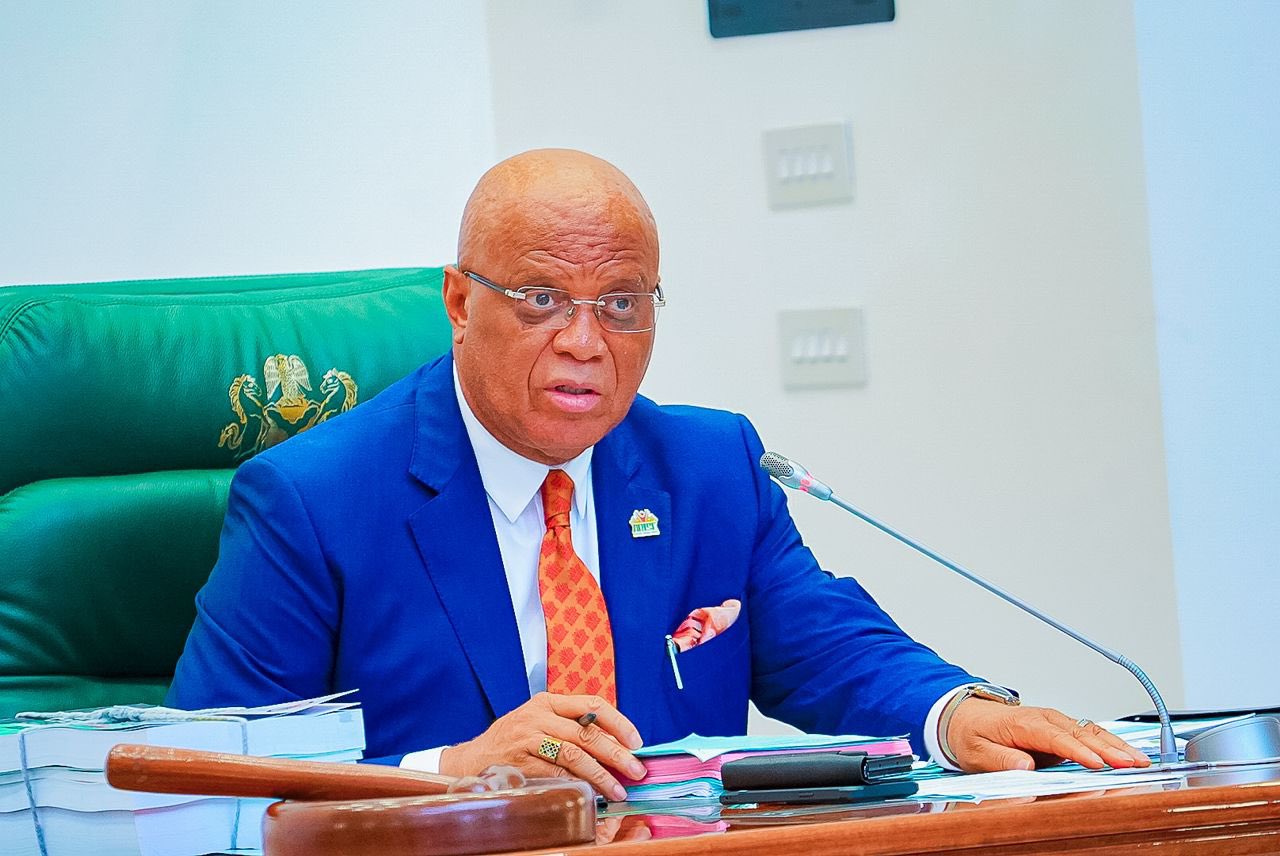
Akwa Ibom State Governor, Umo Eno
Share

The Akwa Ibom State Government has declared two medical doctors wanted for allegedly abandoning their duty posts after being trained for eight years at the state’s expense.

The Commissioner for Health, Dr. Ekem John, announced this on Tuesday, September 16, 2025, during a press briefing in Uyo.

He identified the doctors as Consultant Radiologist, Dr. Uduakabasi Ita, and Consultant Hematologist, Dr. Mfonobong Bassey, both staff of the state’s Ministry of Health.

According to him, the doctors left their duty posts for greener pastures without fulfilling their service bond with the government.

“The state government has repeatedly said that any medical personnel it trains is bond to first serve the state to cover the cost of the training before they will be allowed to leave for greener pastures,” John said.H

He added that the ministry had declared the doctors wanted, ordered the stoppage of their salaries, and would pursue disciplinary action through local and international medical councils if necessary.

John urged the doctors to immediately return to their duty posts or refund all resources spent on their training, warning that their families should advise them to comply before sanctions are enforced.

The commissioner stressed that going forward, all medical officers trained by the state must serve out their agreed years before being allowed to resign.

He also commended Governor Umo Eno for declaring a state of emergency in the health sector, noting that Akwa Ibom was positioned to achieve improved healthcare under the ARISE Agenda of the present administration.

Continue Reading

Health

Tinubu Congratulates NAFDAC On Retaining WHO Maturity Level 3 Status

Published

on

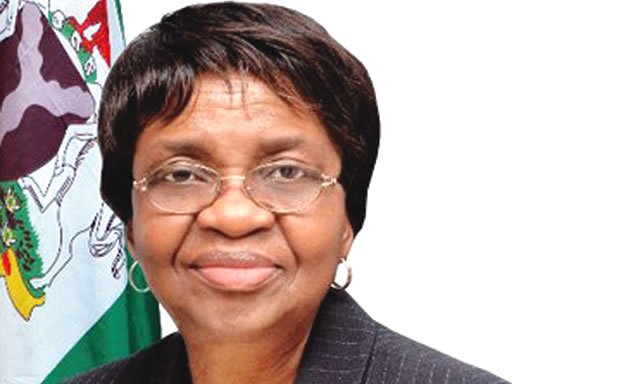
NAFDAC DG, Prof. Mojisola Adeyeye
NAFDAC DG, Professor Mojisola Adeyeye
Share

President Bola Tinubu has congratulated the National Agency for Food and Drug Administration and Control (NAFDAC) for retaining the World Health Organisation’s (WHO) Maturity Level 3 (ML3) status for the regulation of medicines and vaccines.

The WHO conducted a re-benchmarking exercise from May 28 to May 30, 2025, assessing NAFDAC’s regulatory performance against globally recognised standards. NAFDAC attained the ML3 status in 2022, becoming Africa’s first National Regulatory Authority to achieve the milestone in regulating medicines and vaccines (non-producing).

According to the WHO’s assessment, NAFDAC has maintained a stable, well-functioning, and integrated framework for regulating medicines and vaccines, a feat attributed to sustained government investment in strengthening the regulatory system.

President Tinubu commended the agency’s management and staff for their professionalism and dedication to safeguarding public health, describing the achievement as a boost to Nigeria’s standing in global health security and pandemic preparedness.

The President reiterated his administration’s commitment to ensuring the safety, quality, and efficacy of medicines and vaccines in line with international best practices. He noted that the milestone aligns with the Renewed Hope Agenda to transform Nigeria’s healthcare system, upgrading over 17,000 primary health centres, improving maternal care and diagnostics in underserved areas, training 120,000 frontline health workers, and doubling national health insurance coverage within three years.

Tinubu also pledged continued support for NAFDAC’s bid to achieve WHO’s Maturity Level 4, the highest global standard of regulatory excellence, and reaffirmed plans to promote local production of healthcare products, attract investment in the pharmaceutical sector, and expand manufacturing capacity.


Continue Reading

Health

FCTA To Launch Mandatory Hepatitis Screening For Food Handlers

Published

on

FCTA
FCTA
Share

The Federal Capital Territory Administration (FCTA) has announced plans to begin mandatory hepatitis screening for food handlers across Abuja. This initiative aims to strengthen public health and enhance food safety in the capital.

Targeting food vendors in restaurants, markets, bakeries, and canteens, the screening is designed to reduce the spread of foodborne diseases, including Hepatitis A and E, which are primarily transmitted through contaminated food and water, as well as Hepatitis B and C, which are spread through blood and bodily fluids.

The announcement was made in a statement issued Tuesday by the FCT Minister, Nyesom Wike, as part of a goodwill message for World Hepatitis Day 2025. The message was delivered on his behalf by Dr. Adedolapo Fasawe, the Mandate Secretary of the Health Services and Environment Secretariat.

According to the Minister, the screening will be conducted through a Public-Private Partnership (PPP) arrangement, combining the efficiency, technical expertise, and resources of the private sector with the regulatory oversight of the government.

“This strategic initiative aligns with the National Policy on Food Safety and Quality and will include regular mandatory screening for Hepatitis B and C among all food handlers within the FCT,” Wike stated.

He emphasised that food handlers are “an often overlooked group” whose roles are critical in ensuring the safety of what people consume daily. He urged the public to view them as essential public health stewards.

The FCTA also called on all stakeholders—government agencies, healthcare providers, food business operators, and the public—to support the initiative. This includes promoting hepatitis awareness, encouraging vaccinations, and enforcing hygiene and safety standards.

“We must act urgently. Hygiene cannot wait. Screening cannot wait. Action cannot wait. Together, let’s ensure the FCT leads by example, turning our food industry into a model of health, safety, and excellence,” the statement concluded.

Further details regarding the screening timeline and rollout will be communicated in due course by the administration.

Continue Reading