
Breaking
INEC Brings Forward 2027 Polls, Fixes January 16 for Presidential Election






Breaking2 hours ago
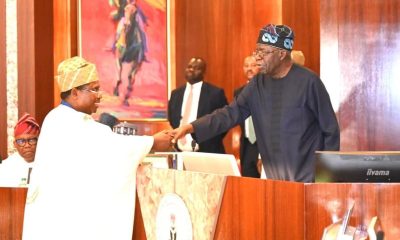
INEC Brings Forward 2027 Polls, Fixes January 16 for Presidential Election
ShareThe Independent National Electoral Commission (INEC) has rescheduled Nigeria’s 2027 general elections, fixing January 16, 2027, for the presidential and...

Politics5 hours ago
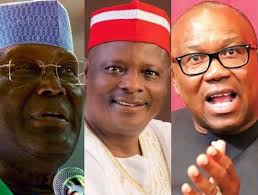
Opposition Leaders Demand Fresh Electoral Act Amendment
ShareLeaders of the opposition, including top figures from the African Democratic Congress (ADC) and the New Nigeria Peoples Party (NNPP),...

Defence and Security7 hours ago
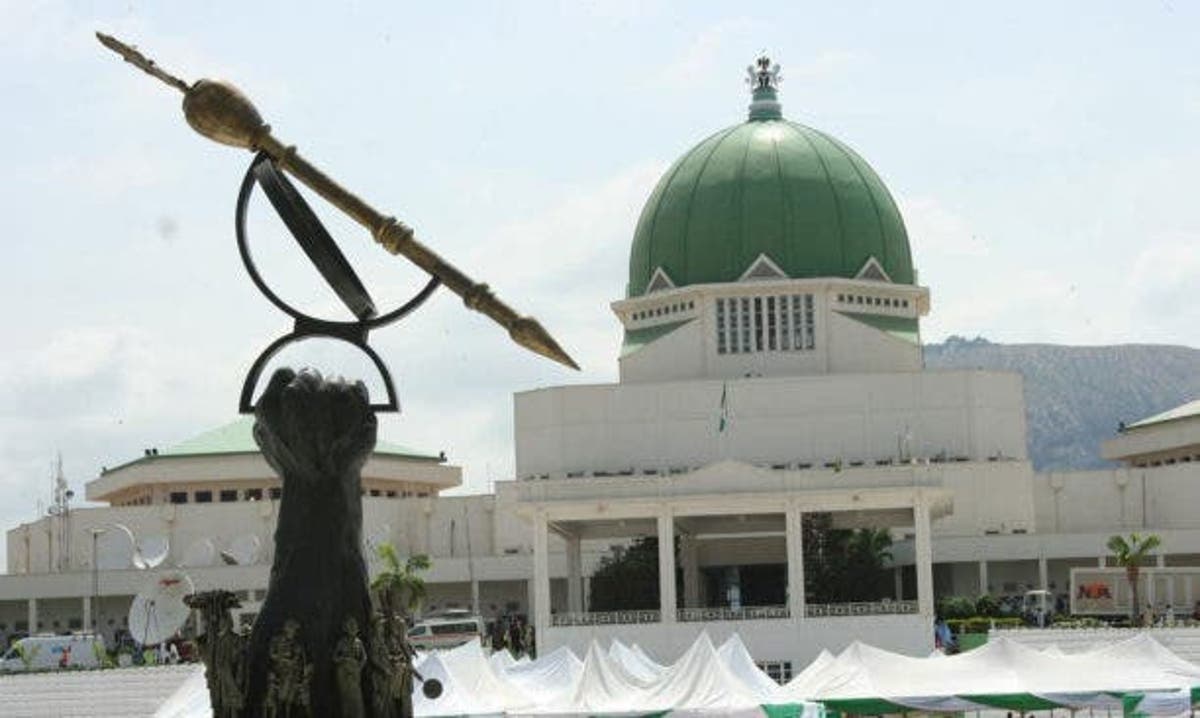
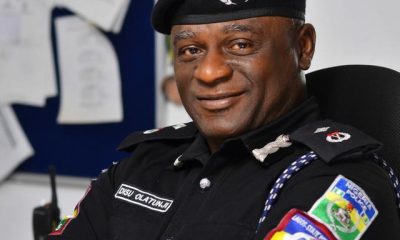
Tunji Disu to Officers: Nigerians Are Your Bosses, Era of Impunity Over
ShareTunji Disu, the Acting Inspector-General of Police (IGP), has declared that the era of impunity in the Nigeria Police Force...


News2 days ago
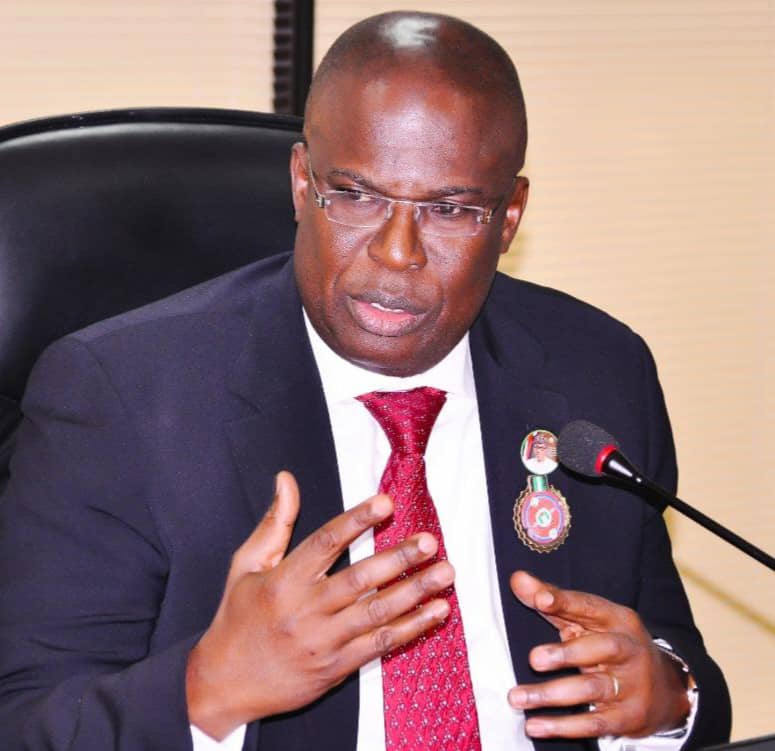
FG Allegedly Paid N2bn Ransom for Abducted Niger Catholic School Pupils — AFP
ShareThe Federal Government allegedly paid about N2 billion to Boko Haram insurgents to secure the release of pupils and staff...
Defence and Security2 days ago
Bola Ahmed Tinubu Appoints Tunji Disu as Acting IGP
SharePresident Bola Ahmed Tinubu has appointed Assistant Inspector-General of Police Tunji Disu as the Acting Inspector-General of Police (IGP) with...