
Politics
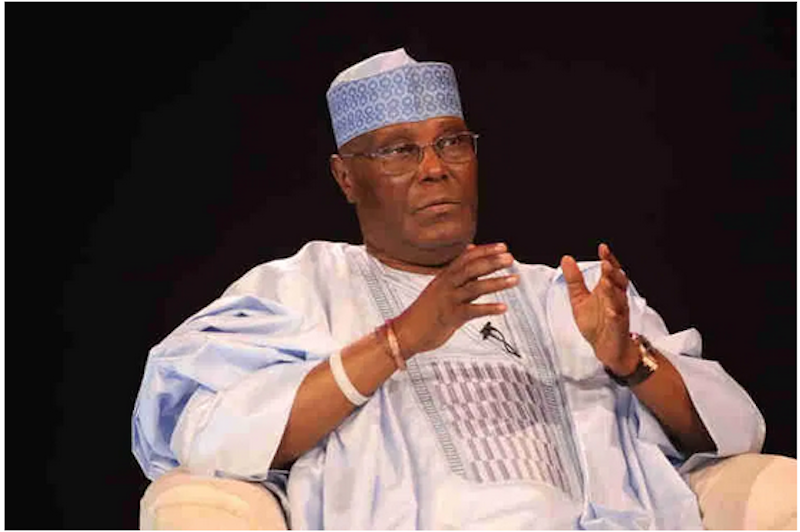
Atiku Urges INEC to Reschedule 2027 Elections Over Ramadan






Politics10 hours ago
Ramadan: INEC to Consult National Assembly Over 2027 Election Dates
ShareThe Independent National Electoral Commission (INEC) has announced plans to consult the National Assembly following growing controversy over the timetable...

Politics10 hours ago
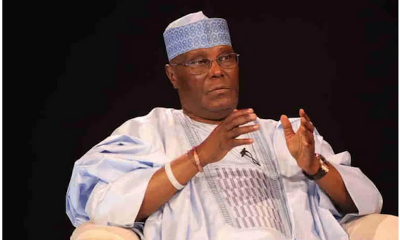
Atiku Urges INEC to Reschedule 2027 Elections Over Ramadan
ShareFormer Vice-President Atiku Abubakar has called on the Independent National Electoral Commission (INEC) to reconsider the dates fixed for the...

News11 hours ago
ShareThe House of Representatives will reconvene for an emergency sitting on Tuesday, February 17, 2026, to deliberate on issues arising...

Defence and Security12 hours ago
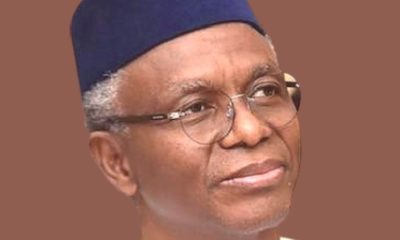
Onanuga Seeks Probe Into El-Rufai’s Alleged Wire-Tapping Claim
ShareThe Special Adviser to the President on Information and Strategy, Bayo Onanuga, has called for a full investigation into allegations...

News1 day ago
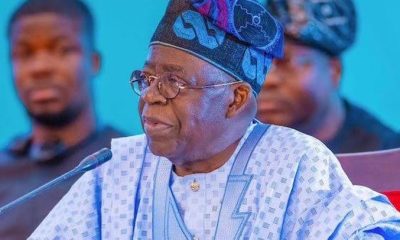
Tinubu to Attend Argungu Fishing Festival, Commission Projects in Kebbi
SharePresident Bola Tinubu will pay a one-day official visit to Kebbi State on Saturday, where he is scheduled to inaugurate...