The Petroleum and Natural Gas Senior Staff Association of Nigeria (PENGASSAN) has called on the Federal Government to move beyond the debate over fuel subsidy removal and focus on ensuring that Nigerians begin to feel the benefits of the policy.
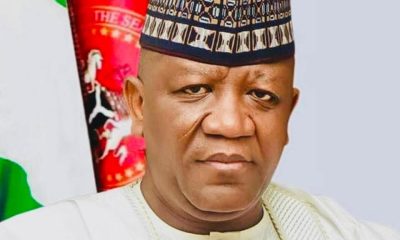
PENGASSAN President, Bosun Olabiyi-Agoro, made the call while speaking on Channels Television’s The Morning Brief on Friday.
According to him, the argument over whether fuel subsidy should have been removed or retained is now belated because the policy has already been implemented.
“I think the argument over whether to remove the subsidy or not to remove it is belated now. We have done it, but we need to start seeing the benefits of fuel subsidy removal in the lives of common Nigerians,” he said.
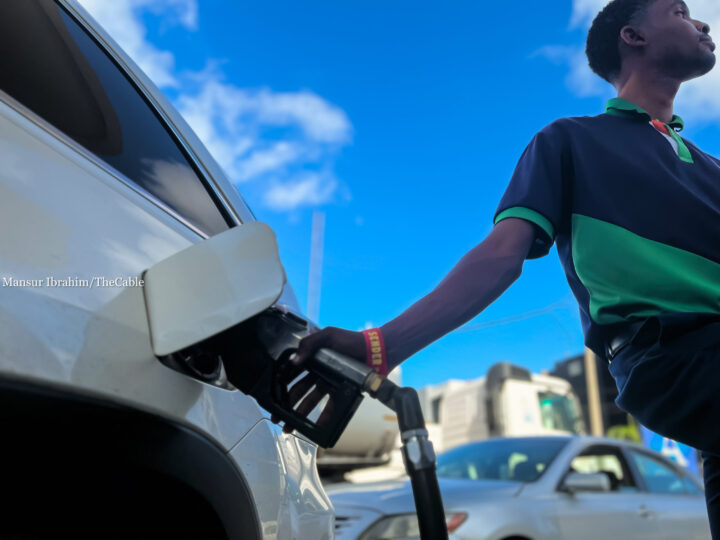
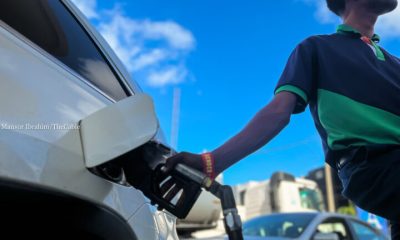
President Bola Tinubu announced the removal of the petrol subsidy shortly after assuming office in May 2023. Since then, the price of petrol has risen significantly, moving from about ₦200 per litre to around ₦1,300 per litre.
The policy has remained one of the most controversial economic decisions of the Tinubu administration, with critics and opposition figures blaming the removal of subsidy for part of the hardship and rising cost of living experienced by Nigerians.
Some opposition politicians have also promised to reverse the policy if elected, while the Federal Government has maintained that there is no going back on subsidy removal.
PENGASSAN Admits Policy Has Been Painful
Olabiyi-Agoro acknowledged that the removal of subsidy has been difficult for Nigerians and workers, describing the policy as painful.
He said the immediate consequences of the decision placed significant pressure on households and workers, many of whom are still struggling with the high cost of living more than three years after the policy was introduced.
However, he argued that the country should now concentrate on ensuring that the economic gains associated with the policy translate into tangible improvements in people’s lives.
Economic Growth Must Benefit Nigerians
The PENGASSAN president also reacted to Nigeria’s reported 4.43 per cent Gross Domestic Product (GDP) growth in the second quarter of 2026, saying that positive macroeconomic figures are welcome but should ultimately improve the living conditions of ordinary citizens.
He noted that indicators such as GDP growth, improved balance of trade and stronger foreign exchange reserves are positive developments for the economy.
However, he stressed that Nigerians need to see these improvements reflected in areas such as food prices, employment, wages and general living conditions.
According to him, economic growth should not remain confined to government statistics while ordinary Nigerians continue to struggle.
He said workers are prepared to contribute their own efforts to the country’s economic development and support whichever government is in power, but they also expect the benefits of economic reforms to reach the people.
Fuel Supply Has Improved
Olabiyi-Agoro also linked the improvement in the availability of petroleum products to the removal of the subsidy.
He explained that since government stopped making budgetary provisions for fuel subsidy, petroleum products are now being sold closer to their actual market prices without government bearing the cost of subsidising them.
He therefore argued that the country has moved beyond the question of whether subsidy should be removed.
For PENGASSAN, the priority now should be ensuring that the economic benefits of the policy are translated into better living conditions for Nigerians.
The association’s position reflects a growing call for the Federal Government to demonstrate that the sacrifices Nigerians have made since the removal of subsidy will ultimately produce measurable improvements in their standard of living.