Connect with us

International

UN chief urges the world to emulate Mandela’s legacy

Published

on

Nelson Mandela
Nelson Mandela
Share

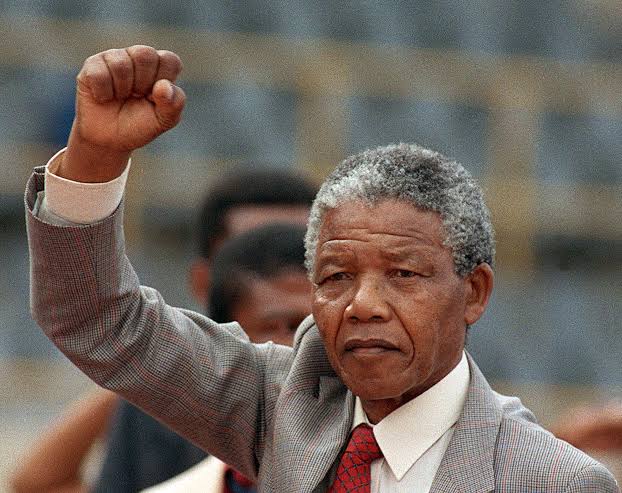
The United Nations Secretary-General, António Guterres, has called on the world to emulate the legacy of late Nelson Mandela, South Africa’s first black President.

Guterres said this on Sunday, in his message to mark Nelson Mandela International Day, globally celebrated on July 18, to shine light on the legacy of a man who changed the 20th century and helped shape the 21st.

According to the secretary-general, the day is an opportunity to reflect on the life and legacy of “a legendary global advocate for dignity, equality, justice and human right.

“Each year, on this day, Nelson Mandela’s birthday, we pay tribute to this extraordinary man who embodied the highest aspirations of the United Nations and the human family’’.

“Affectionately known as Madiba, his calls for solidarity and an end to racism are particularly relevant today, as social cohesion around the world is under threat of division.

“With hate speech on the rise and misinformation blurring the truth, questioning science and undermining democratic institutions, societies are becoming more polarised,’’ the UN chief said.

And the ongoing COVID-19 pandemic has not only made these ills more acute, but also rolled back years of progress in the global fight against poverty.

“As always in times of crises, it is the marginalised and discriminated against, who suffer the most, often while being blamed for problems they did not cause.

“The pandemic has shown the vital importance of human solidarity and unity, values championed and exemplified by Nelson Mandela in his lifelong fight for justice,’’ the UN chief added

He urged the world to honour Mandela’s call to action and be empowered by his legacy.

The UN chief scribe said: “Let us be inspired by Madiba’s message, that each of us can make a difference in promoting peace, human rights, harmony with nature and dignity for all”.

In 2015, the General Assembly extended the scope of Nelson Mandela Day, to promote humane conditions of imprisonment, raise awareness about the need to ensure prisoners remain part of society, and to value the work of prison staff, as a social service of particular importance.

Through its resolution A/RES/70/175, the Assembly not only adopted the revised UN Standard Minimum Rules for the Treatment of Prisoners, but also approved that they should be known as the “Nelson Mandela Rules” to honour the legacy of the late President of South Africa, who spent 27 years in prison, during his struggle. (NAN)

Continue Reading
Click to comment

Leave a Reply

Your email address will not be published. Required fields are marked *

International

Nigeria, Benin Deepen Defence Cooperation to Combat Cross-Border Security Threats

Published

on

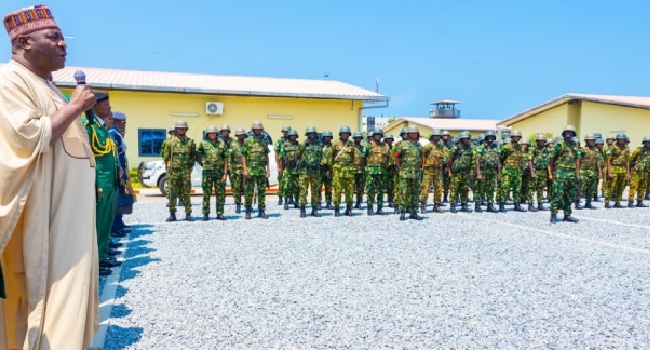
General Musa addressing troops Musa inspects Nigerian Army troops deployed in Togbin, Cotonou, on the Peace Support Mission in the Republic of Benin under Operation ATILEYIN ALAFIA II (Photo by Office of Honourable Minister of Defence)
Share


Nigeria and the Republic of Benin have agreed to strengthen their bilateral defence cooperation and deepen joint efforts to tackle cross-border security threats, terrorism, piracy and other forms of transnational crime across West Africa.

The agreement followed a three-day working visit to Cotonou by Nigeria’s Minister of Defence, General Christopher Musa (Rtd.), at the invitation of his Beninese counterpart, Gildas Agonkan.

During the high-level engagements, both countries discussed measures to harmonise regional security frameworks, enhance intelligence sharing and reinforce military collaboration to safeguard democratic governance, secure shared land borders and strengthen security in the Gulf of Guinea against piracy and maritime crime.

A major outcome of the discussions was the decision to establish seamless, real-time intelligence fusion mechanisms that will enable the armed forces of both countries to track, monitor and neutralise transnational criminal networks and insurgent groups before they carry out attacks.

General Musa reaffirmed Nigeria’s commitment to a zero-tolerance policy against terrorism, stressing the need for closer military cooperation to deny violent extremist groups safe havens within the shared border communities. Nigeria also offered Benin an expanded pursuit range for security personnel operating along the borders to help prevent insurgent infiltration, illegal trafficking and other cross-border crimes.

As part of the visit, the Defence Minister inspected Nigerian Army troops deployed in Togbin, Cotonou, under Operation ATILEYIN ALAFIA II, a Peace Support Mission in the Republic of Benin.

Addressing the troops, General Musa commended their dedication and assured them of the Federal Government’s continued support.

“We are going to partner with the troops of the Republic of Benin to ensure that we stop all those bandits and criminals that are killing people in our countries, so that we can deal with them,” he said.

He explained that one of the key objectives of his visit was to engage with Benin’s Defence Minister to develop coordinated operational strategies aimed at preventing criminal elements from exploiting the porous borders between both countries.

General Musa also conveyed President Bola Ahmed Tinubu’s commitment to improving the welfare of members of the Armed Forces. He assured the troops that the Federal Government was taking concrete steps to provide better welfare packages, equipment and other necessary support to enable them to effectively carry out their duties.

The Nigerian delegation also visited the Centre for Post-Conflict Demining and Explosive Ordnance Disposal Operations, as well as the Glo-Djigbe Industrial Zone. The visits were aimed at promoting local capacity building and supporting the Defence Ministry’s Intelligence-Driven and Technology-Enabled Defence strategy.

Both countries also exchanged ideas on strengthening industrial development, economic cooperation and regional integration in line with the Economic Community of West African States (ECOWAS) protocols and the African Continental Free Trade Area (AfCFTA).

General Musa further held diplomatic consultations with Nigeria’s Ambassador to the Republic of Benin, Mrs. Mopelola Ibrahim, where he reaffirmed President Tinubu’s commitment to military welfare, regional peace and enhanced security cooperation among neighbouring countries.

The Defence Minister has since concluded his official visit and returned to Abuja after reaffirming Nigeria’s commitment to closer defence collaboration with the Republic of Benin in addressing emerging security challenges across the West African sub-region.


Continue Reading

International

US-Iran Tensions Push Global Oil Prices to One-Month High

Published

on

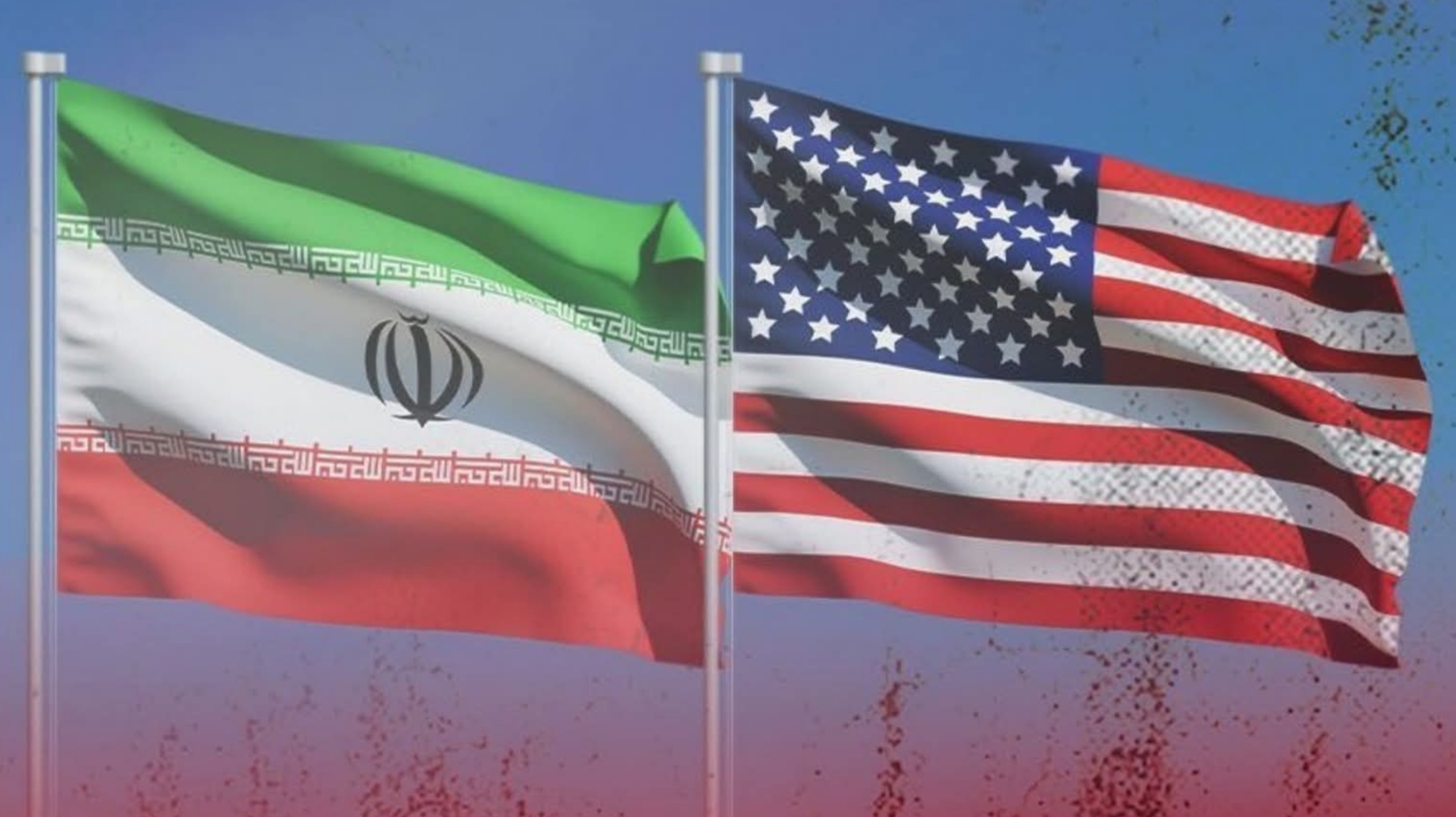
Iran and US Flags
Share


Global oil prices climbed sharply on Tuesday, reaching their highest level in one month, as renewed military tensions between the United States and Iran raised fresh concerns over the security of oil supplies through the Strait of Hormuz.

Brent crude, the international benchmark for oil prices, rose by 4.19 percent to $86.79 per barrel, its highest level since June 12. Meanwhile, the US West Texas Intermediate (WTI) crude gained 3.16 percent to $80.61 per barrel.

The increase follows reports that the United States reimposed a naval blockade on Iran, while renewed exchanges between Washington and Tehran heightened fears of possible disruptions to global energy supplies.

On July 12, Iran announced it had closed the Strait of Hormuz after its naval forces fired a cruise missile at a vessel it alleged was sailing through an unauthorized route. The Strait of Hormuz is one of the world’s most important oil shipping routes, with a significant share of global crude exports passing through it daily.

The latest development marks a sharp reversal from just one month ago, when crude oil prices fell to around $82 per barrel after the United States, Israel and Iran reached an agreement to end hostilities across the Middle East, including Lebanon, and reopen the vital waterway.

In Nigeria, the earlier decline in global crude oil prices sparked concerns over domestic fuel pricing.

The Federal Competition and Consumer Protection Commission (FCCPC) had accused petroleum marketers of failing to fully pass the benefits of lower international oil prices to consumers, arguing that reductions in pump prices were not proportional to the decline in crude oil prices.

Similarly, Minister of Finance and Coordinating Minister of the Economy, Taiwo Oyedele, disclosed that the Federal Government was engaging oil marketers and regulators to ensure that changes in global crude oil prices are more transparently reflected in the prices Nigerians pay for petrol.

On July 10, the Federal Government also convened a meeting with key stakeholders in the oil and gas sector to discuss fair and transparent pricing of petroleum products across the country.

With fresh geopolitical tensions threatening global oil supplies, analysts say international crude prices could remain volatile in the coming days, with possible implications for fuel prices worldwide, including in Nigeria.

Continue Reading

International

Ghana Defers Planned Ramaphosa Visit Over Anti-Migrant Tensions in South Africa, Says Diplomatic Ties Remain Strong

Published

on

Share

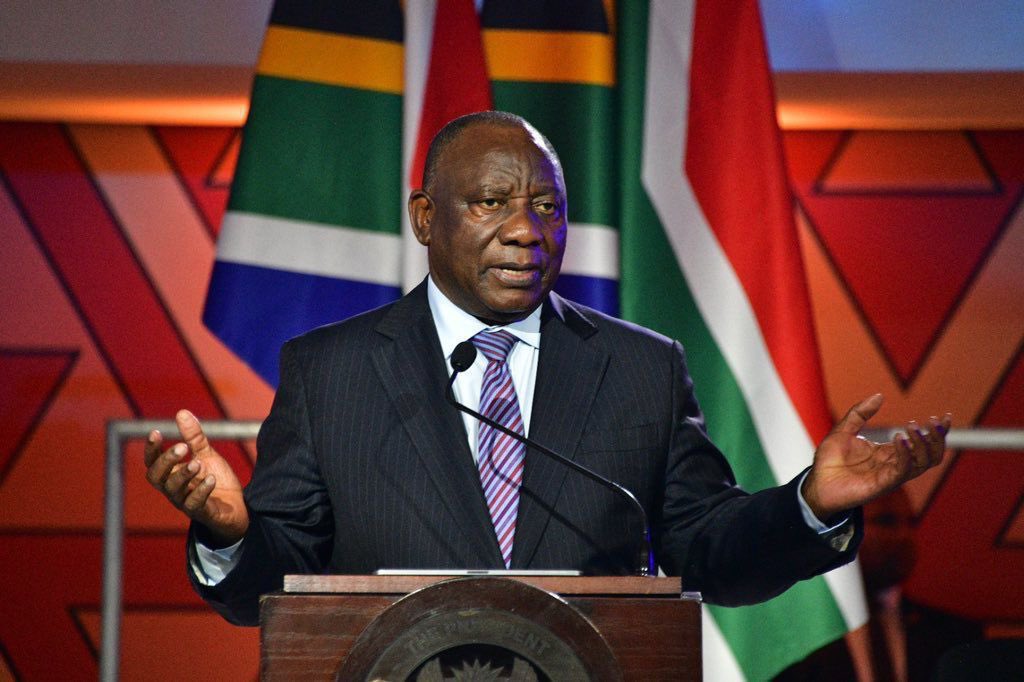
The Government of Ghana has postponed a planned visit by South African President Cyril Ramaphosa following recent anti-migrant attacks in South Africa, insisting that the decision is aimed at preventing the current tensions from overshadowing bilateral engagements between the two countries.

The development comes after reports of violence and intimidation targeting undocumented migrants in parts of South Africa, with some Ghanaian nationals among the Africans reportedly affected. The incidents sparked diplomatic concern in Accra, prompting Ghana’s Minister for Foreign Affairs, Samuel Ablakwa, to summon South Africa’s Acting High Commissioner, Thando Dalamba, to formally convey the country’s strong displeasure over the reported harassment and intimidation of foreign nationals.

In response to the deteriorating security situation, the Ghanaian government also commenced the repatriation of some of its citizens from South Africa.

Media reports on Tuesday suggested that Ghana had rejected a proposed state visit by President Ramaphosa as a diplomatic response to the attacks, fuelling speculation of a freeze in relations between the two African nations.

However, Ghana’s Minister for Government Communications, Felix Ofosu, dismissed those claims, clarifying that the visit had not been rejected but mutually deferred because of the prevailing circumstances.

According to Ofosu, the visit had been scheduled long before the recent wave of xenophobic attacks and was originally planned for early August 2026.

He explained that the Ghanaian government formally communicated its position to Pretoria, expressing the view that postponing the visit would allow both countries to engage more productively once tensions had eased.

“Let me indicate that this is a visit that had been planned well in advance of the outbreak of the recent xenophobic attacks. Indeed, it was slated to take place in early August 2026, but given the outbreak of these attacks and all the issues that have arisen therefrom, we sent a diplomatic communication to the South African government that we believe it is best to defer the visit until such a time when these matters have been resolved, and there is relative calm,” Ofosu said during an interview with Joy FM.

He added that the recent attacks were likely to dominate discussions during any high-level meeting, thereby distracting from the broader strategic issues both countries intended to address.

“Given the nature of the recent attacks, there is a likelihood that they will overshadow the very important issues that would have to be discussed during such a visit. So we believe that when matters settle, and the issue of xenophobic attacks no longer hangs over such discussions, it will then be appropriate to have the visit,” he stated.

Meanwhile, South Africa has also clarified its position on the planned engagement.

Presidential spokesperson Vincent Magwenya dismissed reports suggesting that President Ramaphosa had requested a state visit to Ghana. He explained that Pretoria had only sought confirmation from the Ghanaian authorities regarding arrangements for the third session of the Ghana–South Africa Bi-National Commission, a bilateral platform expected to be co-chaired by Presidents Ramaphosa and John Mahama.

Despite the postponement, Ghana has reiterated that its relationship with South Africa remains cordial and that the decision should not be interpreted as a deterioration in diplomatic relations.

The latest development reflects the sensitivity surrounding the recent anti-migrant violence in South Africa, which has drawn concern from several African governments and renewed calls for stronger protection of foreign nationals living and working in the country.


Continue Reading