
Business & Economy
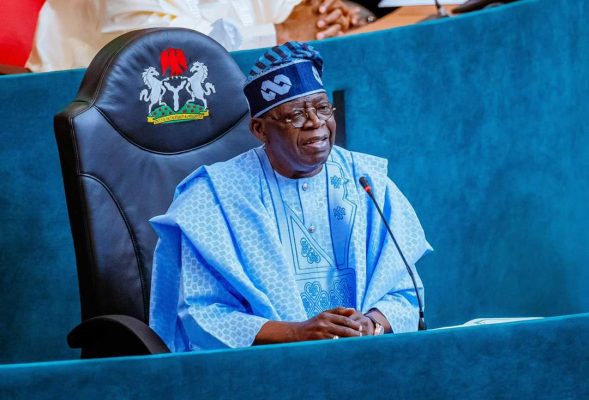
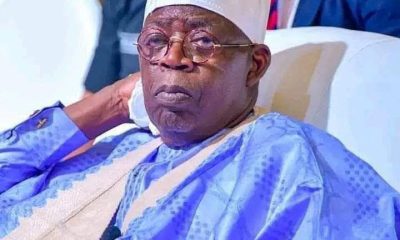
Tinubu Rules Out Fuel Subsidy Return, Says Nigeria Cannot Go Back to ‘Egypt’






Business & Economy
Oyedele Warns Against New Taxes, Urges Governments to Explore Revenue Alternatives

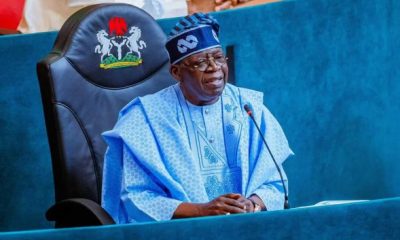

Business & Economy5 hours ago
Tinubu Rules Out Fuel Subsidy Return, Says Nigeria Cannot Go Back to ‘Egypt’
Share President Bola Tinubu has ruled out any return to petrol subsidy, insisting that the removal of the policy was...
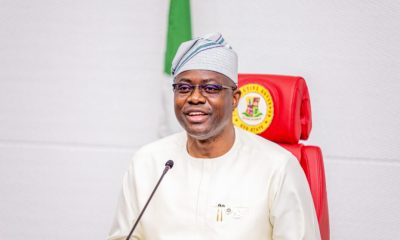

News1 day ago
Presidency Dismisses Makinde’s ₦250bn-Per-State NLNG Windfall Claim, Cites ₦33.68trn Revenue Gap
Share The Presidency has dismissed claims by Oyo State Governor Seyi Makinde that the Federal Government is withholding ₦250 billion...
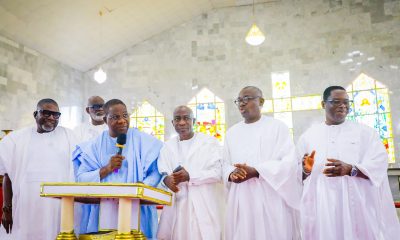

Blast Politics1 day ago
Bamidele Enjoins Ekiti Politicians To Cooperate with Governor Oyebanji For a Successful Second Term in Office.’
ShareThe Senate Leader, Senator Opeyemi Bamidele, has cautioned political actors in Ekiti State against premature governorship ambitions, warning that such...
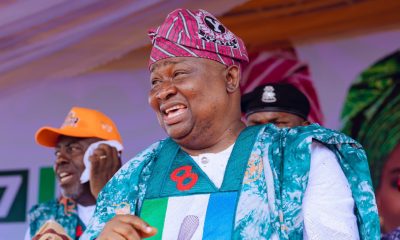

Blast Politics2 days ago
2027: ADEOLA YAYI VOWS TO TURN ILARO INTO ‘SMALL LONDON’, TARGETS 60,000 VOTES
ShareSenator Solomon Adeola, popularly known as Yayi and the All Progressives Congress (APC) governorship candidate in Ogun State, has reiterated...

Defence and Security3 days ago
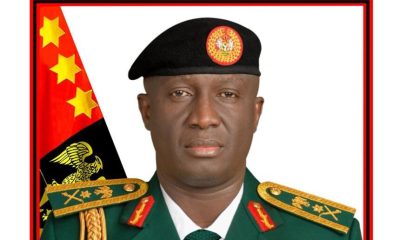
COAS SHUAIBU ARRIVES IN BORNO AS TINUBU ORDERS NATIONWIDE RESCUE OF ABDUCTEES
Share The Chief of Army Staff (COAS), Lieutenant General Waidi Shuaibu, on Saturday arrived in Maiduguri, Borno State, following President...