Connect with us

News

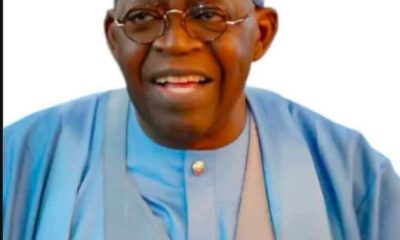
Abdulsami Abubakar unveils four-part book on insurgency

Published

on

Abdulsalam Abubakar
Abdulsalam Abubakar
Share

Former Head of State, retired Gen. Abdulsami Abubakar unveiled a four-part book on crimes and insurgencies in Nigeria and other parts of the world on Wednesday in Abuja.

The series, which were titled: Preventing Crimes, Insurgencies and Desperate Migrations from developing nations, Africa, Latin America and other nations of the world.were written by Alhaji Iliyasu Buhari Maijega.

Commending the effort of the author, Abubakar said the presentation of the series was timely considering the security challenges bedevilling Nigeria.

He noted that insurgency and other violent crimes had been confronting Nigeria in the last 10 years, adding that the violent threats had spread all over the country over time.

He said the book threw light into the root causes of insurgency, stressing that it would help security agencies and the government to find lasting solution to insecurity in Nigeria and around the world.

Abubakar urged Nigerians and all stakeholders to read through the series with a view to understanding issues around insurgency and proffer solutions.

“I believe this book has thrown light into the root causes of insurgencies and I believe that it will help our security agencies and the government in tackling these challenges,” he said.

The author, Maijega said the abduction of Chibok School Girls and banditry in Northwest Nigeria inspired him to embark on research to unravel the root causes of insurgency and banditry.

Maijega said he saw the need to search for the causes of such events and other issues like the IPOB, Niger Delta agitation, and other issues around the world.

He said that he found similarities in the causes of insurgencies across the world which led him to go beyond Nigeria and Africa into Latin America, Asia and Europe.

He stressed that many had thought that Europe, for instance, had no problem but in his research, he came to understand that every nation had its own problems.

“For instance, we knew the Soviet Union was one country, but ethnic issues split it into 16 countries.

“Yugoslavia was one country but ethnicity split it into six countries. So that means it is not only Nigeria that is having ethnic problems making each ethnic group wanting to have its own nation,” he said.

Maijega noted that poverty, weak or lack of leadership were responsible for most insurgencies, adding that getting to the source or root cause of insecurity would help to solve the problem.

According to him, without knowing the cause of a disease or an ailment one cannot cure it.

“Nigeria’s population was only 45 million in 1960, but it is more than 220 million today, which means it has multiplied five times with multiplication of structures.

“You will need maybe at least five times the number of schools; you will need five times number of farms; you will need five times the number of homes and a lot of things,” he explained.

The author urged government to always adopt dialogue in finding solution to security challenges.

Reviewing the book, Dr Hamza Muhammed of the Department of English and Literary Studies, Ahmadu Bello University, Zaria, said the book highlighted ways to prevent social disorder and prevent crimes.

In the review read by the former Chairman, Association of Nigerian Authors, Abuja, Mr Patrick Oguejiofor, Muhammed said it highlighted the impact of COVID-19, problems in businesses, health, education, travels, and international relations.

He said the book also covered global climate change, contemporary programmes like early childhood education, human empowerment, nomads, fishermen, artisans, widows, orphans, and welfare policies.

Muhammed added that the series also highlighted the activities of cattle rustlers, bandits, kidnappers, insurgents and militants and the social impact on the citizenry.


(NAN)

 

Continue Reading
Click to comment

Leave a Reply

Your email address will not be published. Required fields are marked *

News

Tinubu Accelerates Northern Rail Projects, Kaduna-Kano Line Set for December 3 Inauguration

Published

on

Train station
Share


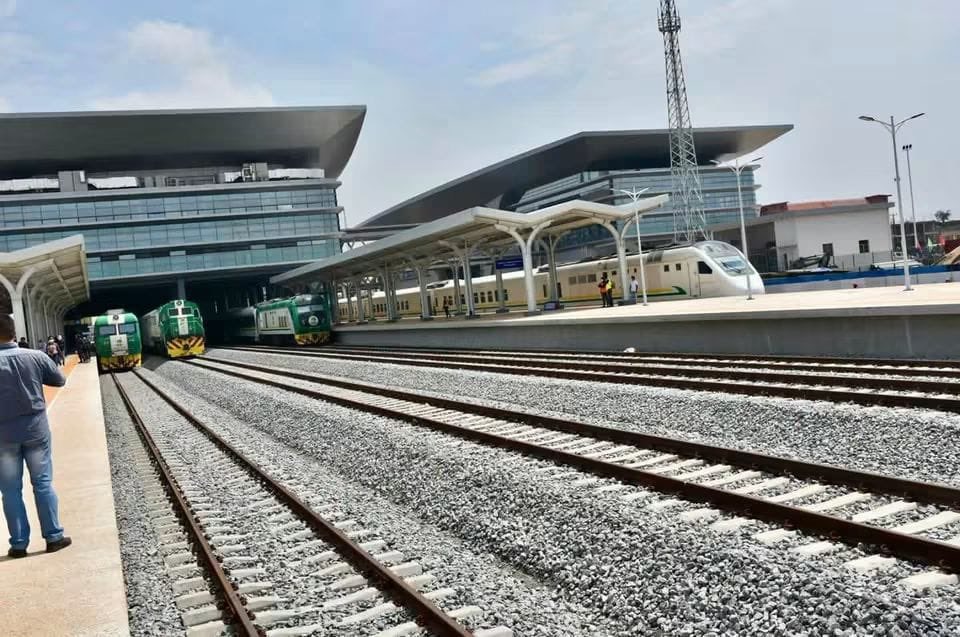
President Bola Ahmed Tinubu has intensified efforts to complete major railway projects across Northern Nigeria, with the Kaduna–Kano Standard Gauge Railway scheduled for inauguration on December 3, 2026.

The 203-kilometre Kaduna–Zaria–Kano railway project has reached approximately 90 per cent completion, while the 400-kilometre Kano–Katsina–Maradi railway project has attained 70 per cent completion.

According to the Federal Government, both projects have recorded significant progress since the Tinubu administration assumed office in 2023. The Kano–Katsina–Maradi project was reportedly at just five per cent completion, while the Kaduna–Kano line was below 30 per cent.

The projects form part of the administration’s commitment to expanding Nigeria’s railway network, improving regional connectivity and facilitating the movement of passengers and goods across the country and beyond.

The Kaduna–Kano railway, an extension of the existing Abuja–Kaduna Standard Gauge Railway, is expected to establish a continuous rail connection between Abuja, Kaduna, Zaria and Kano, strengthening transportation links among key commercial centres in Northern Nigeria.

To assess the level of progress, President Tinubu recently directed a Federal Government inspection team, led by the Permanent Secretary of the Federal Ministry of Transportation, Engr. Funso Adebiyi, to inspect the projects.

Adebiyi expressed satisfaction with the quality of construction work, particularly the railway alignment, drainage systems, embankment protection, stone pitching and soil stabilisation.

The inspection also featured a train test run from Jaji in Kaduna State to Kano, enabling officials to assess the completed track infrastructure and passenger comfort.

President Tinubu has further directed that outstanding land acquisition and compensation issues within Kaduna metropolis be resolved immediately to facilitate the completion of the railway corridor connecting Abuja to Kano.

The Federal Government disclosed that the completed 190-kilometre Jaji–Kano section of the Kaduna–Kano railway, alongside the 250-kilometre Dawanu–Kano–Kazaure–Daura–Katsina section of the Kano–Maradi project, is scheduled for inauguration on December 3, 2026.

When fully operational, the Kaduna–Kano railway is expected to ease passenger movement, boost commercial activities and provide a safer alternative to road transportation along one of Northern Nigeria’s busiest economic corridors.

Similarly, the Kano–Katsina–Maradi railway is expected to enhance cross-border transportation, strengthen regional trade and deepen economic relations between Nigeria and neighbouring Niger Republic.

The Federal Government reiterated its commitment to ensuring that ongoing infrastructure projects across the country are completed and delivered in line with their scheduled timelines.

Continue Reading

News

FG Begins ₦50,000 Monthly Cash Relief for Vulnerable Nigerians

Published

on

Coat of Arms
Share


The Federal Government has commenced a monthly cash relief programme offering ₦50,000 to vulnerable Nigerians to cushion the effects of rising living costs and economic hardship.

The Minister of Humanitarian Affairs and Poverty Reduction, Bernard Doro, disclosed this in a statement issued on Friday in Abuja, announcing the National Emergency Relief and Stabilisation Intervention (NERSI), a presidential initiative aimed at providing direct financial support to millions of vulnerable households.

Doro said the intervention was introduced in response to global food inflation and rising prices of essential goods, which continue to put pressure on household finances.

Under the programme, eligible beneficiaries will receive ₦50,000 monthly to help meet essential needs and ease the burden of the rising cost of living.

The minister explained that the intervention would be reviewed periodically in line with prevailing economic conditions, with beneficiaries notified directly before any adjustment.

He said the ministry was working with licensed digital financial service providers to ensure secure, transparent and timely disbursement of the funds.

According to him, beneficiaries will receive text messages from the providers seeking their consent before payments are made directly into their bank accounts or mobile wallets.

Doro clarified that beneficiaries are not required to apply, pay any fee or register through agents to access the programme.

He warned Nigerians against fraudsters, urging them not to disclose their Personal Identification Numbers (PINs) or Bank Verification Numbers (BVNs) to anyone.

The minister advised those uncertain about any message or facing demands for payment to contact the official NERSI helpline on 0700-022-2222.

He said the intervention complements existing Federal Government social protection and economic support programmes, while strengthening household resilience and economic stability.

Doro added that the initiative aligns with President Bola Tinubu’s Renewed Hope Agenda and underscores the ministry’s commitment to delivering social support with dignity, transparency and accountability.

Continue Reading

News

Ekiti Bureau Congratulates Oyebanji, Prioritises Curbing Capital Flight

Published

on

Share


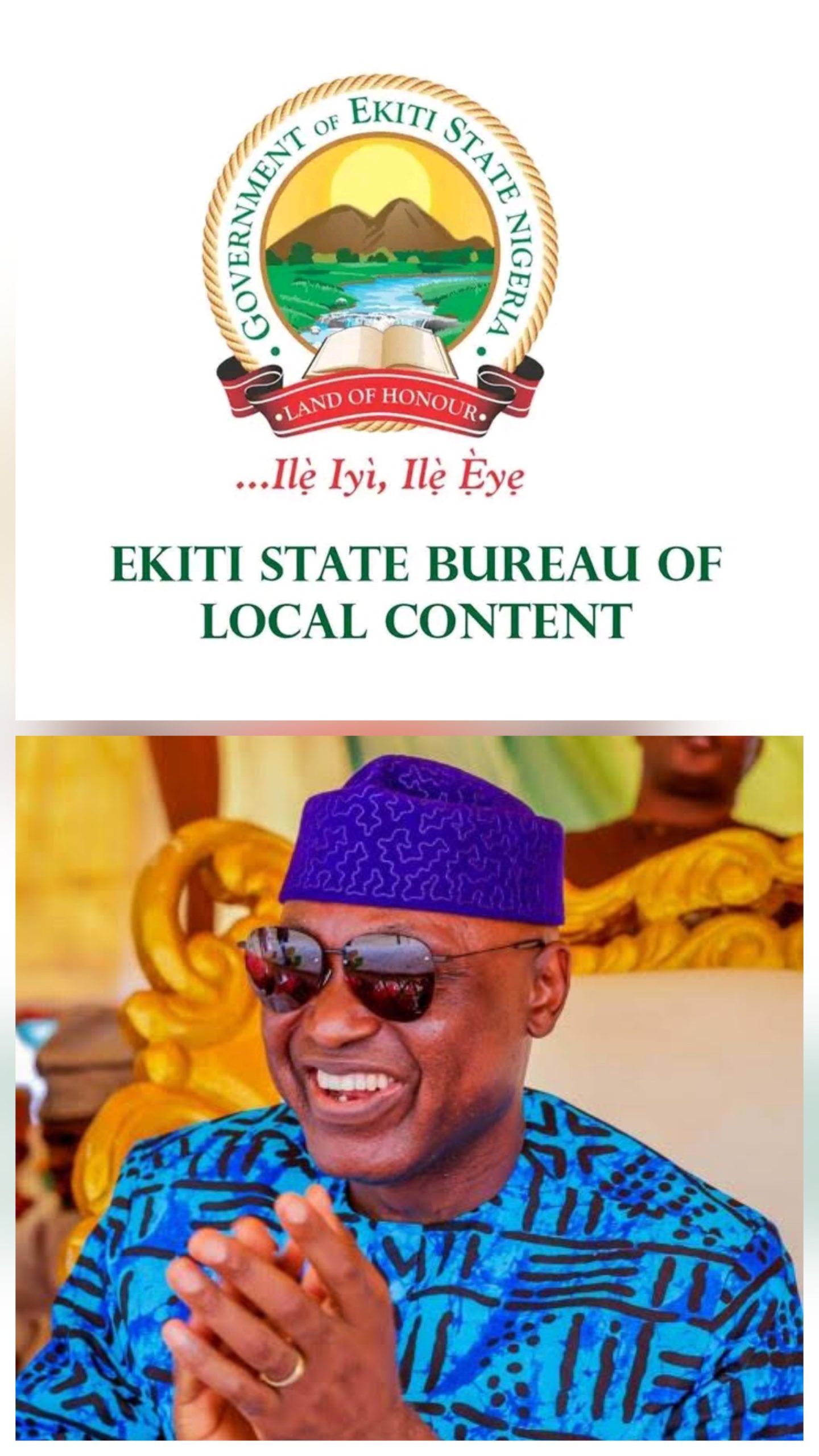
The Ekiti State Bureau of Local Content has congratulated Governor Biodun Oyebanji on his inauguration for a second term in office, pledging to prioritise efforts to address capital flight and strengthen the state’s economy.

The Bureau, in a congratulatory message issued by its management, and signed by the director of Admin Mr Tope Fasoyin, described the governor’s second-term inauguration as an opportunity to consolidate the achievements of his first tenure and advance policies aimed at promoting sustainable economic development in the state.


The agency reaffirmed its commitment to supporting the governor’s vision of retaining more economic resources within Ekiti State through effective implementation of local content policies.


It said efforts would be intensified to promote the participation of indigenous businesses in government projects, encourage patronage of locally produced goods and services, and create more opportunities for local contractors, suppliers, and service providers.


According to the Bureau, prioritising local content would help reduce capital flight, stimulate indigenous enterprise, create employment opportunities, and ensure that more economic benefits accrue to the people of Ekiti State.


The management also pledged to collaborate with relevant stakeholders to ensure that the governor’s economic development agenda is translated into tangible benefits for residents.


It expressed confidence that Governor Oyebanji’s second term would bring renewed opportunities for economic growth, investment, and sustainable development across the state.


The Bureau wished the governor a successful and impactful second term in office.

Continue Reading