𝐁𝐲 𝐏𝐚𝐮𝐥 𝐋𝐮𝐜𝐤𝐲 𝐎𝐤𝐨𝐤𝐮
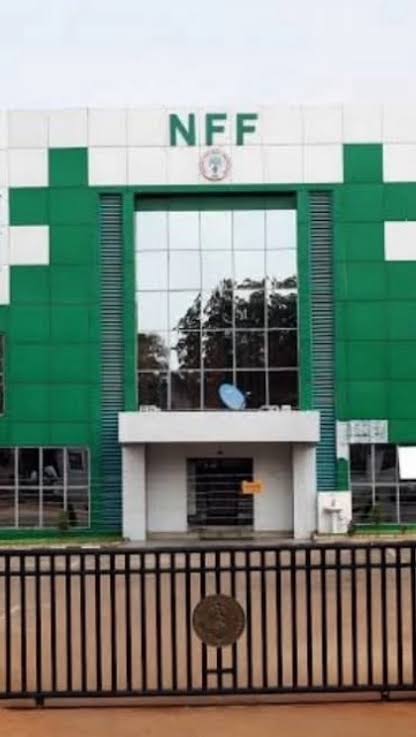
𝐀𝐔𝐓𝐇𝐎𝐑’𝐒 𝐍𝐎𝐓𝐄: This article is part of my continuing investigative examination of nearly six decades of Nigerian football leadership. It asks whether former footballers, who have rarely been entrusted with leadership at the top of the NFF, including its presidency, are being judged by the same standards applied to the non-footballers who have historically administered the federation.
𝐍𝐄𝐀𝐑𝐋𝐘 𝐒𝐈𝐗 𝐃𝐄𝐂𝐀𝐃𝐄𝐒 𝐆𝐈𝐕𝐄 𝐔𝐒 𝐀 𝐑𝐄𝐂𝐎𝐑𝐃 𝐓𝐎 𝐄𝐗𝐀𝐌𝐈𝐍𝐄
From the 1970s to 2026, Nigerian football has largely been led by military officers, government appointees, businessmen, bureaucrats and career administrators. Former internationals have served on boards and technical structures, but not with sustained control of the federation’s presidency.
Nigeria became African champions, reached World Cups and won Olympic gold.
But success does not cancel accountability.
Across generations, familiar problems have returned: unstable technical direction, poor preparation, questionable appointments, unpaid obligations, weak development pathways, financial controversies and failures of accountability.
𝐓𝐡𝐢𝐬 𝐢𝐬 𝐛𝐢𝐠𝐠𝐞𝐫 𝐭𝐡𝐚𝐧 𝐛𝐨𝐧𝐮𝐬𝐞𝐬. 𝐈𝐭 𝐢𝐬 𝐥𝐞𝐚𝐝𝐞𝐫𝐬𝐡𝐢𝐩.
𝐂𝐎𝐀𝐂𝐇𝐈𝐍𝐆 𝐈𝐍𝐒𝐓𝐀𝐁𝐈𝐋𝐈𝐓𝐘 𝐈𝐒 𝐀 𝐋𝐄𝐀𝐃𝐄𝐑𝐒𝐇𝐈𝐏 𝐃𝐄𝐂𝐈𝐒𝐈𝐎𝐍
Consider the road to the 2026 World Cup.
José Peseiro began the campaign. Finidi George succeeded him in April 2024 but lasted only weeks. In August, the NFF announced Bruno Labbadia, only for the appointment to collapse within days over unresolved tax terms. Augustine Eguavoen stepped in temporarily before Éric Chelle was appointed in January 2025.
No single coaching change can be blamed for Nigeria missing the World Cup.
But repeated changes, collapsed appointments and uncertainty over technical leadership are governance decisions.
𝐖𝐡𝐲 𝐚𝐫𝐞 𝐬𝐮𝐜𝐡 𝐜𝐡𝐨𝐢𝐜𝐞𝐬 𝐫𝐞𝐩𝐞𝐚𝐭𝐞𝐝𝐥𝐲 𝐦𝐚𝐝𝐞 𝐢𝐧 𝐜𝐫𝐢𝐬𝐢𝐬 𝐫𝐚𝐭𝐡𝐞𝐫 𝐭𝐡𝐚𝐧 𝐭𝐡𝐫𝐨𝐮𝐠𝐡 𝐥𝐨𝐧𝐠-𝐭𝐞𝐫𝐦 𝐩𝐥𝐚𝐧𝐧𝐢𝐧𝐠?
𝐈𝐍𝐃𝐈𝐆𝐄𝐍𝐎𝐔𝐒 𝐂𝐎𝐀𝐂𝐇𝐄𝐒 𝐃𝐄𝐒𝐄𝐑𝐕𝐄 𝐓𝐇𝐄 𝐒𝐀𝐌𝐄 𝐏𝐑𝐎𝐅𝐄𝐒𝐒𝐈𝐎𝐍𝐀𝐋 𝐒𝐓𝐀𝐍𝐃𝐀𝐑𝐃
Nigeria must also ask whether indigenous coaches receive the same institutional respect as expatriates.
A Nigerian coach deserves no special favour. If he fails, hold him accountable.
But the Super Eagles job should carry clear standards regardless of nationality: proper contracts, competitive compensation, technical authority, appropriate support and transparent expectations.
If an expatriate can be paid in dollars, a Nigerian in the same position should not automatically be treated differently.
See also WHEN INCREASE IN ELECTRICITY TARIFFS BECOME A THREAT TO MSMEs AND OTHER ECONOMIC GROWTH
𝐍𝐢𝐠𝐞𝐫𝐢𝐚𝐧 𝐜𝐨𝐚𝐜𝐡𝐞𝐬 𝐚𝐫𝐞 𝐧𝐨𝐭 𝐚𝐥𝐥𝐞𝐫𝐠𝐢𝐜 𝐭𝐨 𝐝𝐨𝐥𝐥𝐚𝐫𝐬.
A head coach should also have meaningful authority to choose assistants and players. Administrators should not impose assistants, interfere with selections or introduce academy interests into technical decisions, then hold the coach solely responsible.
Stephen Keshi, who led Nigeria to the 2013 AFCON title, described contractual terms offered by the NFF in 2015 as a “slave contract.”
That deserves separate examination.
𝐓𝐡𝐞 𝐬𝐭𝐚𝐧𝐝𝐚𝐫𝐝𝐬 𝐨𝐟 𝐭𝐡𝐞 𝐒𝐮𝐩𝐞𝐫 𝐄𝐚𝐠𝐥𝐞𝐬 𝐡𝐞𝐚𝐝-𝐜𝐨𝐚𝐜𝐡 𝐩𝐨𝐬𝐢𝐭𝐢𝐨𝐧 𝐬𝐡𝐨𝐮𝐥𝐝 𝐛𝐞 𝐝𝐞𝐭𝐞𝐫𝐦𝐢𝐧𝐞𝐝 𝐛𝐲 𝐭𝐡𝐞 𝐨𝐟𝐟𝐢𝐜𝐞 — 𝐧𝐨𝐭 𝐛𝐲 𝐭𝐡𝐞 𝐩𝐚𝐬𝐬𝐩𝐨𝐫𝐭 𝐨𝐟 𝐭𝐡𝐞 𝐩𝐞𝐫𝐬𝐨𝐧 𝐨𝐜𝐜𝐮𝐩𝐲𝐢𝐧𝐠 𝐢𝐭.
Therefore, core contractual benefits, professional support and agreed currency of compensation should apply consistently, regardless of whether the coach is Nigerian or expatriate.
𝐖𝐇𝐎 𝐂𝐇𝐎𝐎𝐒𝐄𝐒 𝐓𝐇𝐄 𝐋𝐄𝐀𝐃𝐄𝐑𝐒 𝐌𝐀𝐓𝐓𝐄𝐑𝐒 𝐓𝐎𝐎
Leadership does not begin after an election.
Under the previous NFF Congress structure, the 36 State Football Associations and the FCT controlled 37 of 44 votes — 84.1 percent of the electorate.
The March 2026 reforms expanded the electorate to 54 votes, reducing the State FA/FCT share to 68.5 percent.
That was progress.
But State FAs and the FCT still hold 37 votes, compared with 17 for every other constituency combined.
State FAs are essential to football development.
The question is whether any single constituency should possess more than two-thirds of the electoral power used to select Nigerian football leadership.
𝐓𝐡𝐚𝐭 𝐭𝐨𝐨 𝐢𝐬 𝐚 𝐠𝐨𝐯𝐞𝐫𝐧𝐚𝐧𝐜𝐞 𝐪𝐮𝐞𝐬𝐭𝐢𝐨𝐧.
𝐀 𝐍𝐀𝐓𝐈𝐎𝐍𝐀𝐋 𝐓𝐄𝐀𝐌 𝐂𝐀𝐍𝐍𝐎𝐓 𝐀𝐁𝐀𝐍𝐃𝐎𝐍 𝐓𝐇𝐄 𝐒𝐘𝐒𝐓𝐄𝐌 𝐁𝐄𝐍𝐄𝐀𝐓𝐇 𝐈𝐓
On April 19, 2022, former Nigeria captain and coach Christian Chukwu criticised the neglect of home-based players and called for stronger NPFL pathways into the Super Eagles.
Stephen Keshi had confronted the same issue years earlier.
On December 19, 2011, Keshi said home-based players would form the “bedrock” of his rebuilding programme.
He acted on it.
Six home-based players were part of Nigeria’s 2013 AFCON squad, with Godfrey Oboabona becoming an important defender and Sunday Mba scoring the winning goal in the final.
Yet on August 23, 2013, reports said the NFF Technical Committee rejected a 42-player camp list containing 24 home-based players and required Keshi to reduce it.
They must earn it.
But they must first be given a credible opportunity to compete.
If Nigeria continually looks abroad for virtually every senior international while its domestic league struggles to produce visible pathways, leadership must examine the development structure it has built.
𝐀𝐂𝐂𝐎𝐔𝐍𝐓𝐀𝐁𝐈𝐋𝐈𝐓𝐘 𝐌𝐔𝐒𝐓 𝐂𝐎𝐕𝐄𝐑 𝐓𝐇𝐄 𝐖𝐇𝐎𝐋𝐄 𝐒𝐘𝐒𝐓𝐄𝐌
Fanny Amun’s 2026 fact-finding exercise examined administrative, technical, financial, organisational and developmental problems affecting Nigerian football.
He later spoke publicly about allegations involving unequal payments and interference in technical decisions.
𝐖𝐡𝐲 𝐚𝐫𝐞 𝐢𝐧𝐯𝐞𝐬𝐭𝐢𝐠𝐚𝐭𝐨𝐫𝐬 𝐢𝐧 𝟐𝟎𝟐𝟔 𝐬𝐭𝐢𝐥𝐥 𝐞𝐱𝐚𝐦𝐢𝐧𝐢𝐧𝐠 𝐩𝐫𝐨𝐛𝐥𝐞𝐦𝐬 𝐫𝐞𝐜𝐨𝐠𝐧𝐢𝐳𝐚𝐛𝐥𝐞 𝐚𝐜𝐫𝐨𝐬𝐬 𝐠𝐞𝐧𝐞𝐫𝐚𝐭𝐢𝐨𝐧𝐬?
Accountability also goes beyond welfare.
In 2009, $236,000 was reported missing from a safe at the football federation’s secretariat, resulting in investigation and legal proceedings.
The issue today is not assigning guilt retrospectively.
𝐓𝐡𝐞 𝐥𝐞𝐚𝐝𝐞𝐫𝐬𝐡𝐢𝐩 𝐪𝐮𝐞𝐬𝐭𝐢𝐨𝐧 𝐢𝐬: 𝐰𝐡𝐚𝐭 𝐜𝐨𝐧𝐭𝐫𝐨𝐥𝐬 𝐩𝐫𝐨𝐭𝐞𝐜𝐭 𝐟𝐨𝐨𝐭𝐛𝐚𝐥𝐥’𝐬 𝐦𝐨𝐧𝐞𝐲, 𝐚𝐧𝐝 𝐰𝐡𝐚𝐭 𝐚𝐜𝐜𝐨𝐮𝐧𝐭𝐚𝐛𝐢𝐥𝐢𝐭𝐲 𝐟𝐨𝐥𝐥𝐨𝐰𝐬 𝐰𝐡𝐞𝐧 𝐭𝐡𝐨𝐬𝐞 𝐜𝐨𝐧𝐭𝐫𝐨𝐥𝐬 𝐟𝐚𝐢𝐥?
𝐀𝐏𝐏𝐋𝐘 𝐓𝐇𝐄 𝐒𝐀𝐌𝐄 𝐒𝐓𝐀𝐍𝐃𝐀𝐑𝐃 𝐓𝐎 𝐄𝐕𝐄𝐑𝐘𝐎𝐍𝐄
Former footballers often acknowledge:
𝐁𝐞𝐜𝐚𝐮𝐬𝐞 𝐰𝐞 𝐩𝐥𝐚𝐲𝐞𝐝 𝐟𝐨𝐨𝐭𝐛𝐚𝐥𝐥 𝐝𝐨𝐞𝐬 𝐧𝐨𝐭 𝐚𝐮𝐭𝐨𝐦𝐚𝐭𝐢𝐜𝐚𝐥𝐥𝐲 𝐦𝐞𝐚𝐧 𝐰𝐞 𝐜𝐚𝐧 𝐥𝐞𝐚𝐝 𝐟𝐨𝐨𝐭𝐛𝐚𝐥𝐥.
Correct.
But being a lawyer, businessman, politician, accountant, journalist, civil servant or career administrator does not automatically make someone a good football leader either.
Leadership must be measured by competence, integrity, preparation, vision, accountability and results.
𝐒𝐨 𝐚𝐩𝐩𝐥𝐲 𝐭𝐡𝐞 𝐬𝐚𝐦𝐞 𝐬𝐭𝐚𝐧𝐝𝐚𝐫𝐝 𝐭𝐨 𝐞𝐯𝐞𝐫𝐲𝐨𝐧𝐞.
How can an entire group be declared incapable of succeeding when it has never been given a meaningful opportunity to build a leadership record at the very top of the NFF, including its presidency?
Nigeria has produced generations of former footballers with university education, advanced degrees, business experience, coaching credentials and leadership experience inside and outside sport.
Some would fail. Some would succeed.
That is true of every profession.
𝐘𝐨𝐮 𝐜𝐚𝐧𝐧𝐨𝐭 𝐟𝐚𝐢𝐫𝐥𝐲 𝐡𝐨𝐥𝐝 𝐟𝐨𝐨𝐭𝐛𝐚𝐥𝐥𝐞𝐫𝐬 𝐚𝐜𝐜𝐨𝐮𝐧𝐭𝐚𝐛𝐥𝐞 𝐟𝐨𝐫 𝐚 𝐥𝐞𝐚𝐝𝐞𝐫𝐬𝐡𝐢𝐩 𝐟𝐚𝐢𝐥𝐮𝐫𝐞 𝐭𝐡𝐞𝐲 𝐡𝐚𝐯𝐞 𝐧𝐞𝐯𝐞𝐫 𝐜𝐨𝐥𝐥𝐞𝐜𝐭𝐢𝐯𝐞𝐥𝐲 𝐛𝐞𝐞𝐧 𝐠𝐢𝐯𝐞𝐧 𝐭𝐡𝐞 𝐨𝐩𝐩𝐨𝐫𝐭𝐮𝐧𝐢𝐭𝐲 𝐭𝐨 𝐩𝐫𝐨𝐝𝐮𝐜𝐞.
Set transparent standards. Allow qualified people to compete. Then judge the individual.
President Bola Ahmed Tinubu’s football reform directive creates an opportunity to examine nearly six decades of history—not to claim footballers automatically have the answers, but to learn from the record.
𝐂𝐚𝐧 𝐟𝐨𝐨𝐭𝐛𝐚𝐥𝐥𝐞𝐫𝐬 𝐥𝐞𝐚𝐝?
It should also be:
𝐇𝐚𝐯𝐞 𝐰𝐞 𝐚𝐩𝐩𝐥𝐢𝐞𝐝 𝐭𝐡𝐞 𝐬𝐚𝐦𝐞 𝐥𝐞𝐚𝐝𝐞𝐫𝐬𝐡𝐢𝐩 𝐬𝐭𝐚𝐧𝐝𝐚𝐫𝐝 𝐭𝐨 𝐭𝐡𝐨𝐬𝐞 𝐰𝐡𝐨 𝐡𝐚𝐯𝐞 𝐚𝐜𝐭𝐮𝐚𝐥𝐥𝐲 𝐛𝐞𝐞𝐧 𝐠𝐢𝐯𝐞𝐧 𝐭𝐡𝐞 𝐨𝐩𝐩𝐨𝐫𝐭𝐮𝐧𝐢𝐭𝐲?
And after nearly six decades of different administrators and familiar problems:
𝐖𝐡𝐚𝐭 𝐝𝐨𝐞𝐬 𝐭𝐡𝐞 𝐫𝐞𝐜𝐨𝐫𝐝 𝐭𝐞𝐥𝐥 𝐮𝐬 𝐰𝐞 𝐦𝐮𝐬𝐭 𝐟𝐢𝐧𝐚𝐥𝐥𝐲 𝐝𝐨 𝐝𝐢𝐟𝐟𝐞𝐫𝐞𝐧𝐭𝐥𝐲?
As Nigerian football enters another period of restructuring, qualified former footballers should be given a meaningful opportunity to contribute to that answer.
They understand competitive sport from the inside. They understand many of the pressures, sacrifices and vulnerabilities experienced by those who compete.
That perspective matters.
But representation must also come with responsibility: footballers must organise, speak collectively and help build structures that protect the rights, welfare and dignity of current and future players.
Because one principle should never be negotiable:
𝐍𝐨 𝐬𝐩𝐨𝐫𝐭𝐢𝐧𝐠 𝐬𝐭𝐫𝐮𝐜𝐭𝐮𝐫𝐞 𝐬𝐡𝐨𝐮𝐥𝐝 𝐩𝐫𝐨𝐬𝐩𝐞𝐫 𝐰𝐡𝐢𝐥𝐞 𝐭𝐡𝐞 𝐚𝐭𝐡𝐥𝐞𝐭𝐞𝐬 𝐩𝐫𝐨𝐝𝐮𝐜𝐢𝐧𝐠 𝐭𝐡𝐞 𝐯𝐚𝐥𝐮𝐞 𝐚𝐫𝐞 𝐥𝐞𝐟𝐭 𝐟𝐢𝐧𝐚𝐧𝐜𝐢𝐚𝐥𝐥𝐲 𝐰𝐞𝐚𝐤𝐞𝐧𝐞𝐝 𝐨𝐫 𝐞𝐱𝐩𝐥𝐨𝐢𝐭𝐞𝐝.
In familiar Nigerian Pidgin:
𝐌𝐨𝐧𝐤𝐞𝐲 𝐝𝐞𝐲 𝐰𝐨𝐫𝐤, 𝐛𝐚𝐛𝐨𝐨𝐧 𝐝𝐞𝐲 𝐜𝐡𝐨𝐩.
The expression describes a situation in which one person does the hard work while another enjoys the benefits.
Too often, that has reflected an uncomfortable reality in Nigerian football.
Every weekend, Nigerians enjoy the major European leagues, where players are represented through organised structures and have a meaningful voice in matters affecting their profession. Those systems are not perfect, but players generally operate within stronger contractual, welfare and representative frameworks.
Then consider the contrast at home.
Nigerian players, coaches and other football professionals produce the sporting value at club and national-team level, yet many have repeatedly had to struggle for salaries, bonuses, contractual obligations and basic professional treatment.
So while we enjoy the product of European football, we should also study the structures behind it.
𝐈𝐟 𝐩𝐥𝐚𝐲𝐞𝐫 𝐫𝐞𝐩𝐫𝐞𝐬𝐞𝐧𝐭𝐚𝐭𝐢𝐨𝐧, 𝐜𝐨𝐧𝐭𝐫𝐚𝐜𝐭𝐮𝐚𝐥 𝐩𝐫𝐨𝐭𝐞𝐜𝐭𝐢𝐨𝐧 𝐚𝐧𝐝 𝐢𝐧𝐬𝐭𝐢𝐭𝐮𝐭𝐢𝐨𝐧𝐚𝐥 𝐫𝐞𝐬𝐩𝐞𝐜𝐭 𝐡𝐞𝐥𝐩 𝐬𝐭𝐫𝐞𝐧𝐠𝐭𝐡𝐞𝐧 𝐭𝐡𝐞 𝐥𝐞𝐚𝐠𝐮𝐞𝐬 𝐰𝐞 𝐚𝐝𝐦𝐢𝐫𝐞, 𝐰𝐡𝐲 𝐬𝐡𝐨𝐮𝐥𝐝 𝐍𝐢𝐠𝐞𝐫𝐢𝐚𝐧 𝐟𝐨𝐨𝐭𝐛𝐚𝐥𝐥 𝐚𝐜𝐜𝐞𝐩𝐭 𝐥𝐞𝐬𝐬 𝐟𝐨𝐫 𝐢𝐭𝐬 𝐨𝐰𝐧 𝐩𝐥𝐚𝐲𝐞𝐫𝐬?
That cannot be the foundation of a reformed football system.
𝐆𝐢𝐯𝐞 𝐪𝐮𝐚𝐥𝐢𝐟𝐢𝐞𝐝 𝐟𝐨𝐨𝐭𝐛𝐚𝐥𝐥 𝐩𝐞𝐨𝐩𝐥𝐞 𝐭𝐡𝐞 𝐨𝐩𝐩𝐨𝐫𝐭𝐮𝐧𝐢𝐭𝐲 𝐭𝐨 𝐥𝐞𝐚𝐝.
𝐓𝐡𝐞𝐧 𝐡𝐨𝐥𝐝 𝐭𝐡𝐞𝐦 𝐭𝐨 𝐭𝐡𝐞 𝐬𝐚𝐦𝐞 𝐬𝐭𝐚𝐧𝐝𝐚𝐫𝐝𝐬 𝐨𝐟 𝐜𝐨𝐦𝐩𝐞𝐭𝐞𝐧𝐜𝐞, 𝐢𝐧𝐭𝐞𝐠𝐫𝐢𝐭𝐲 𝐚𝐧𝐝 𝐚𝐜𝐜𝐨𝐮𝐧𝐭𝐚𝐛𝐢𝐥𝐢𝐭𝐲 𝐝𝐞𝐦𝐚𝐧𝐝𝐞𝐝 𝐨𝐟 𝐞𝐯𝐞𝐫𝐲𝐨𝐧𝐞 𝐞𝐥𝐬𝐞.